Pittsburgh Cemeteries

The Art and Architecture of Death

South Side Cemetery

A rural cemetery on rolling hills in Carrick, with many interesting mausoleums and monuments.


View Larger Map

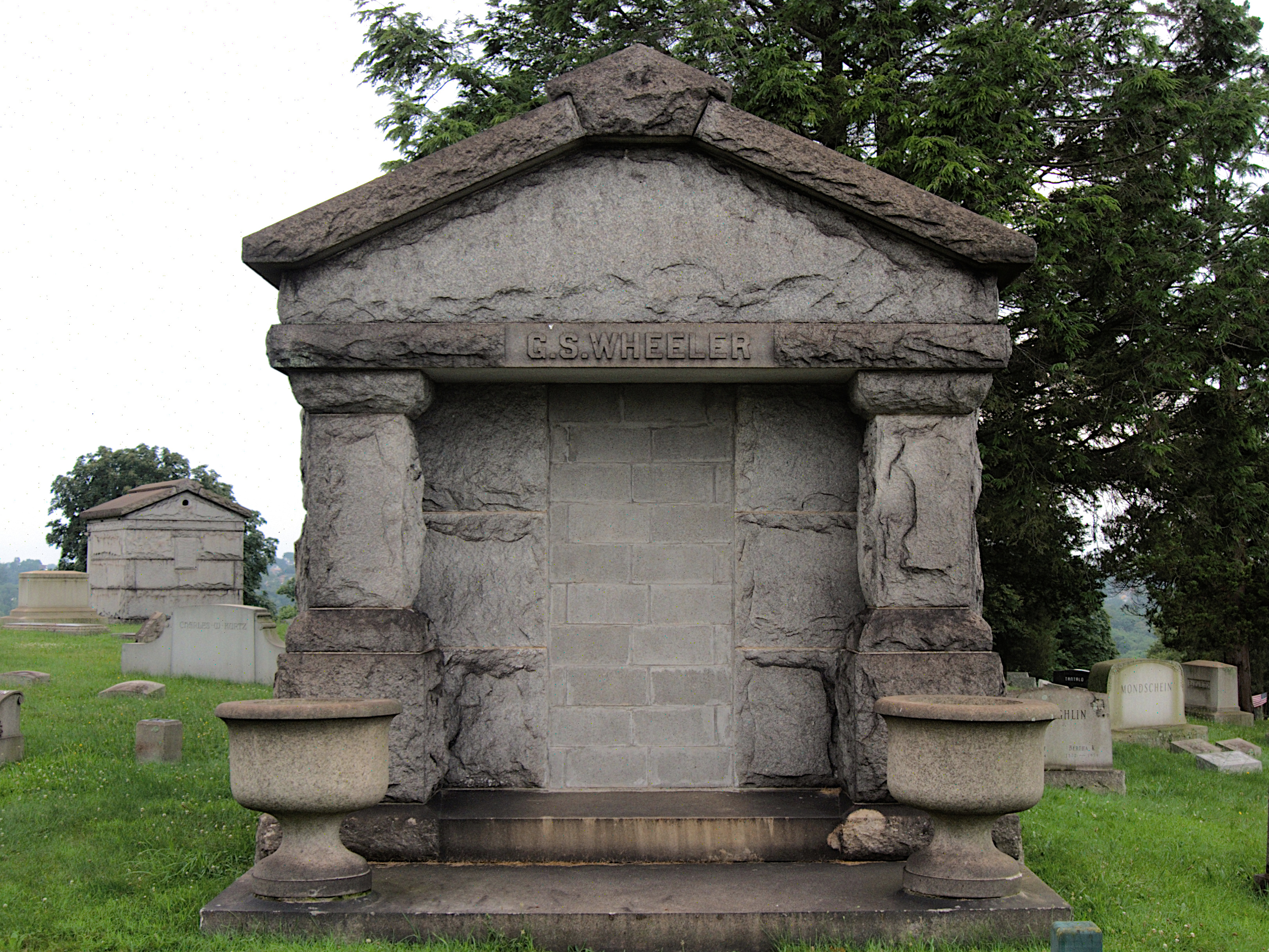
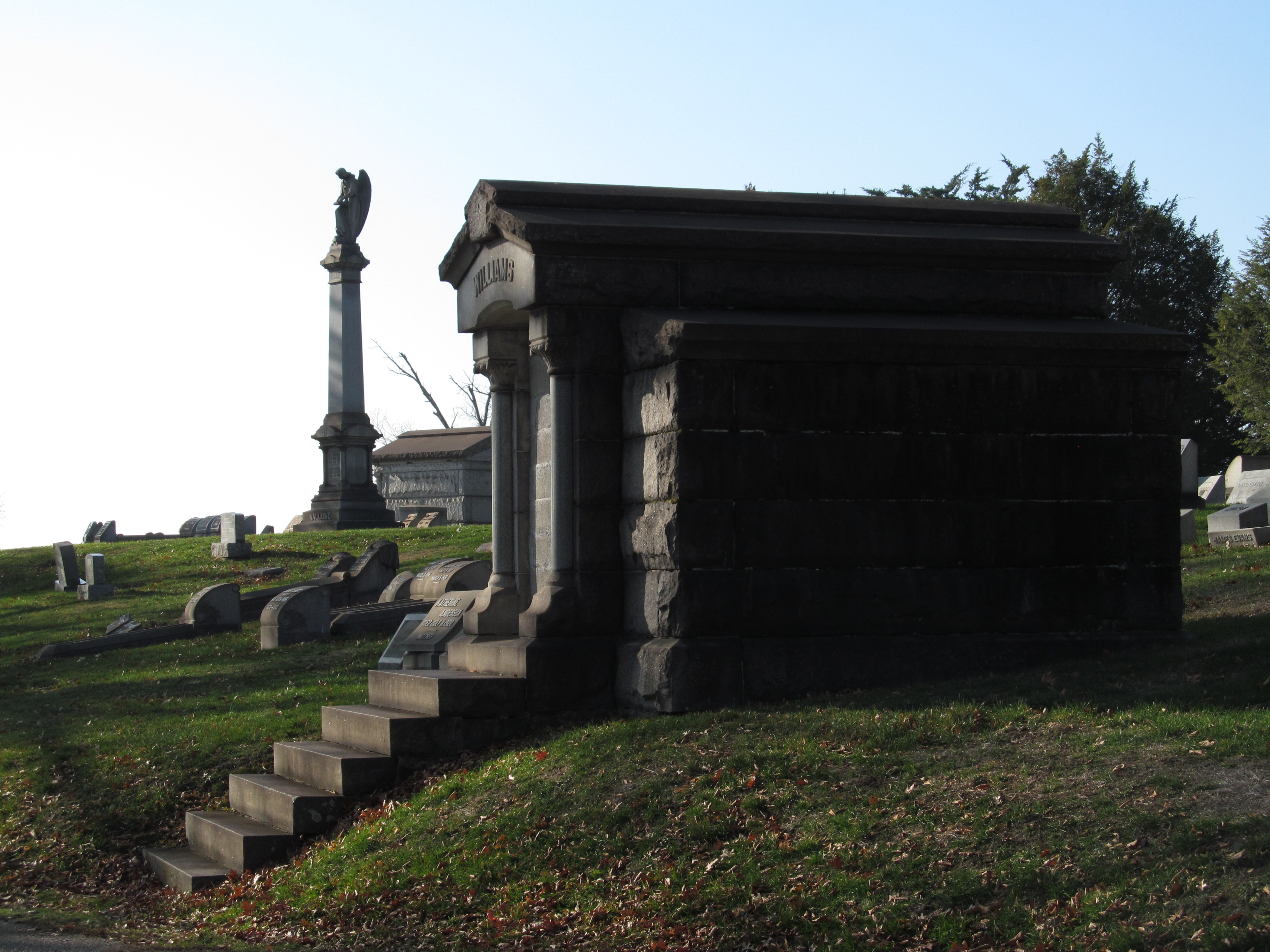
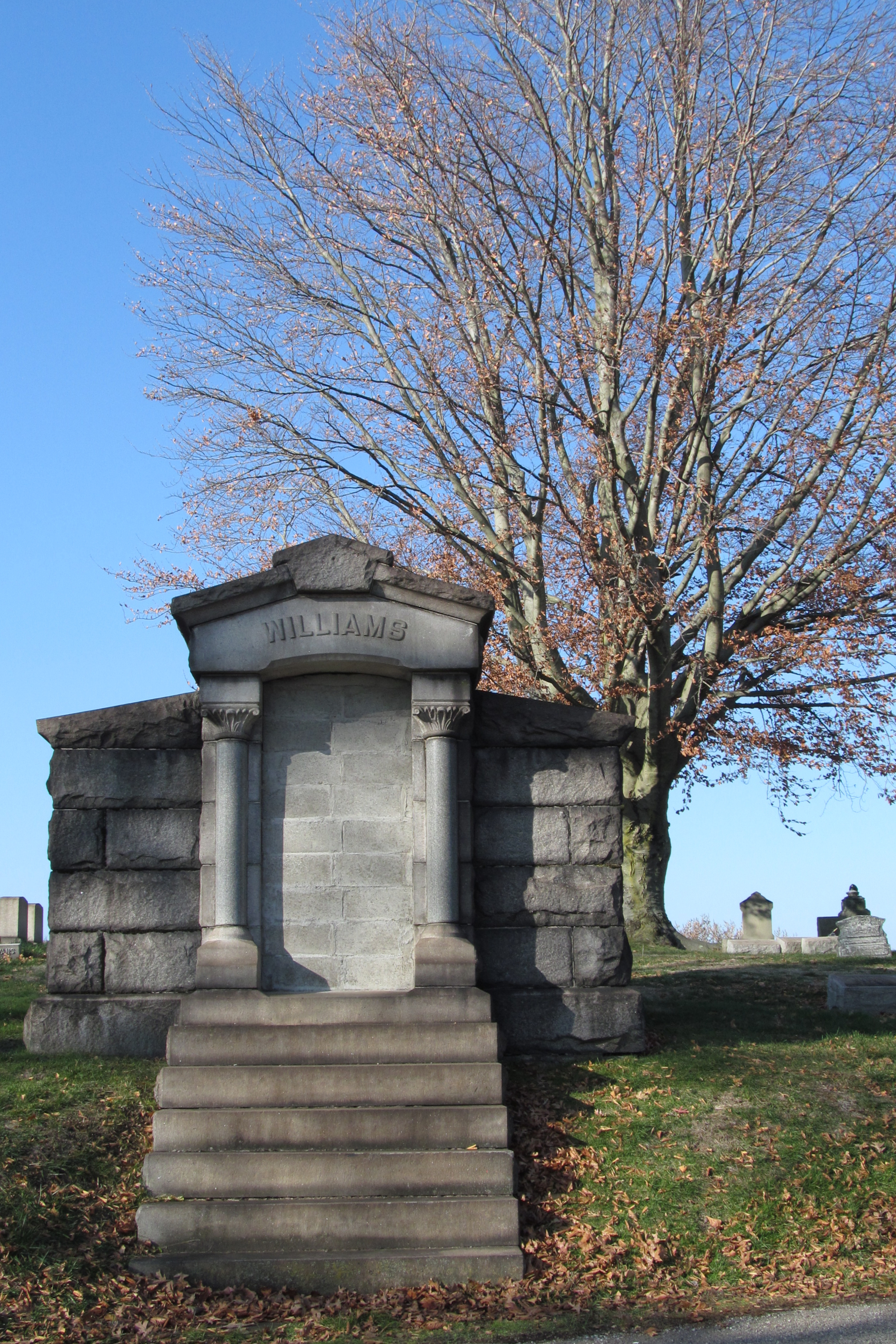
Old Pa Pitt is going to call this style Romanesque because of the medieval columns, rusticated stone, and rounded lintel; but it is perhaps a bit of a mixed metaphor in style. Like most of the mausoleums in the unguarded South Side Cemetery, it has lost its bronze doors, which have been replaced with ugly concrete blocks.
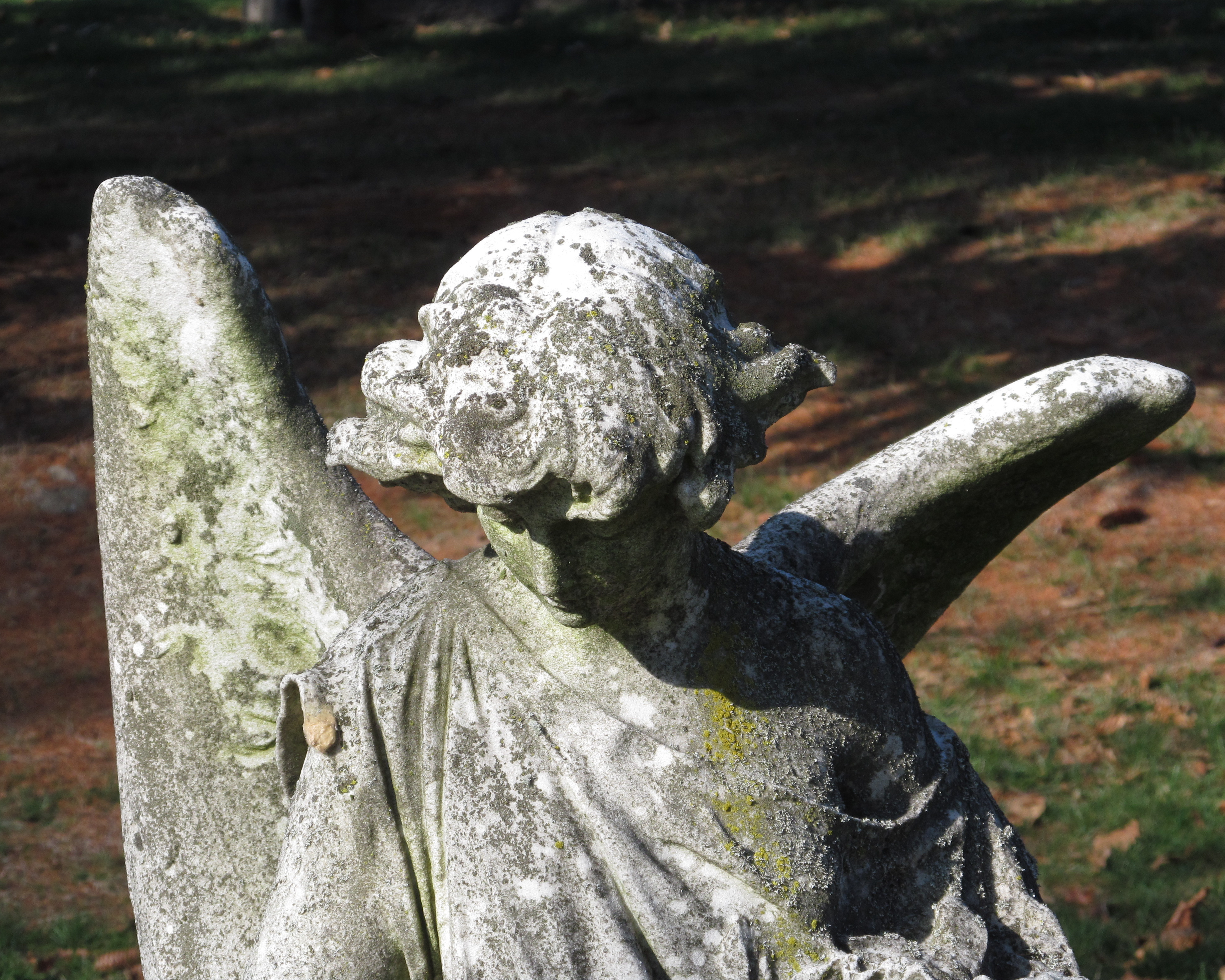
A weathered and damaged angel that is all the more picturesque for the damage. The right hand was probably strewing flowers when the statue was intact.

A fine and tasteful Art Deco stele that probably dates from 1933, when John E. Cook himself died. His wife and four of his six children died before him.

In a different lighting from the previous pictures.

An almost cartoonishly bulky and substantial rustic mausoleum, missing its bronze doors, which have been replaced by ugly concrete blocks. We can imagine that it must have looked much more inviting with artistic bronze doors and flower arrangements dripping over the edges of the urns.

The only legible stone in this well-maintained plot belongs to Conrad Reich, who died in 1896. A damaged stone next to his is probably for his wife Gertrude, who died in 1910. They had children who are buried in this cemetery, but the ones old Pa Pitt could trace were buried in other plots. So it seems that Mr. and Mrs. Reich have quite a bit of room in here to stretch their legs.

This angel is the guardian of the cemetery, taking careful notes about who has been stealing bronze doors from mausoleums. You have been warned.

This plot bears the name “Trautman” on the threshold, but there are no memorials of any kind inside it. Old Pa Pitt wonders whether any Trautmans are actually buried here; sometimes a plot is bought and then left empty when the buyer moves elsewhere. At any rate, there is something admirable about the defiant squareness of this plot in a landscape that does not reward rectilinear thinking.

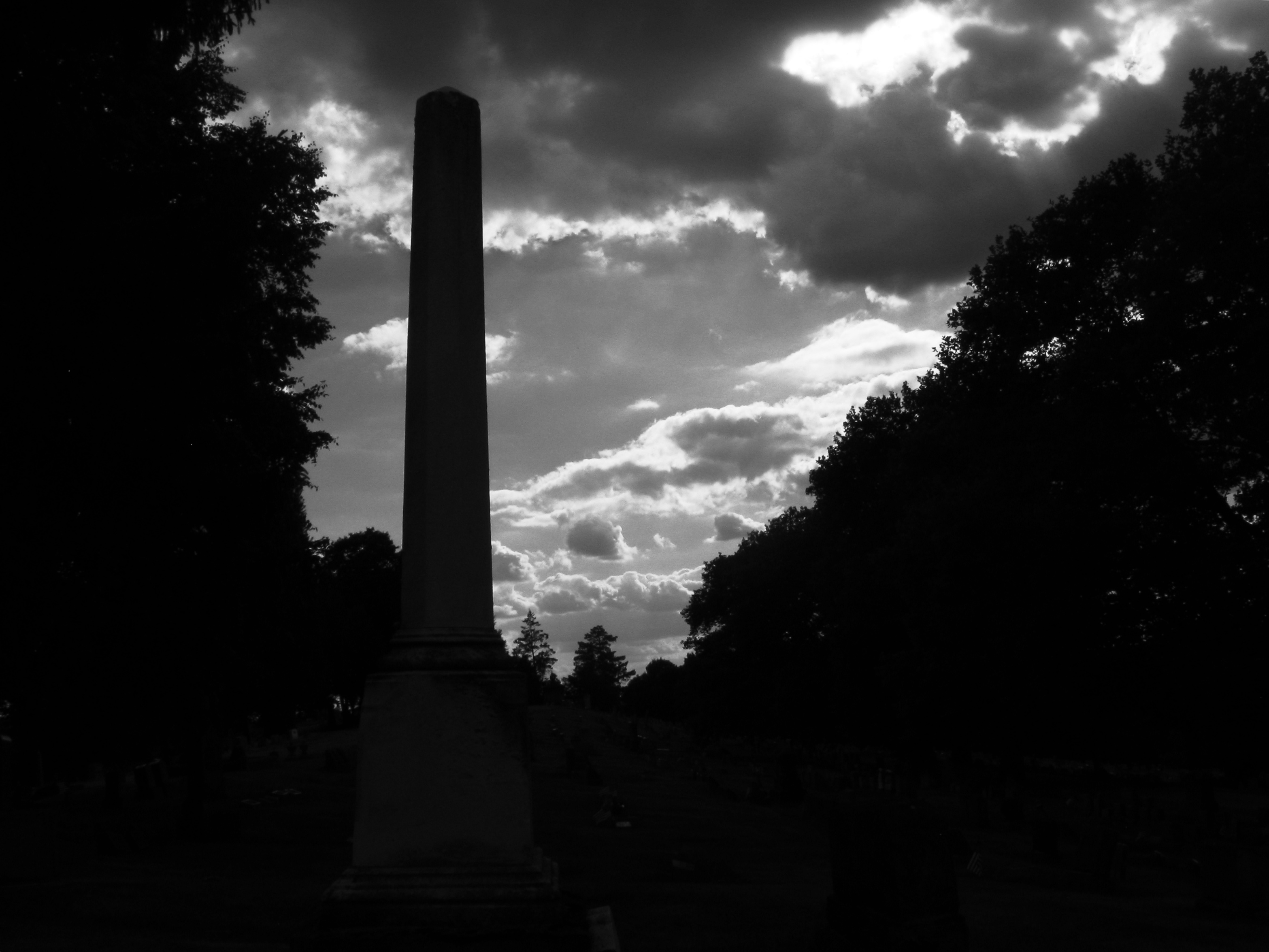
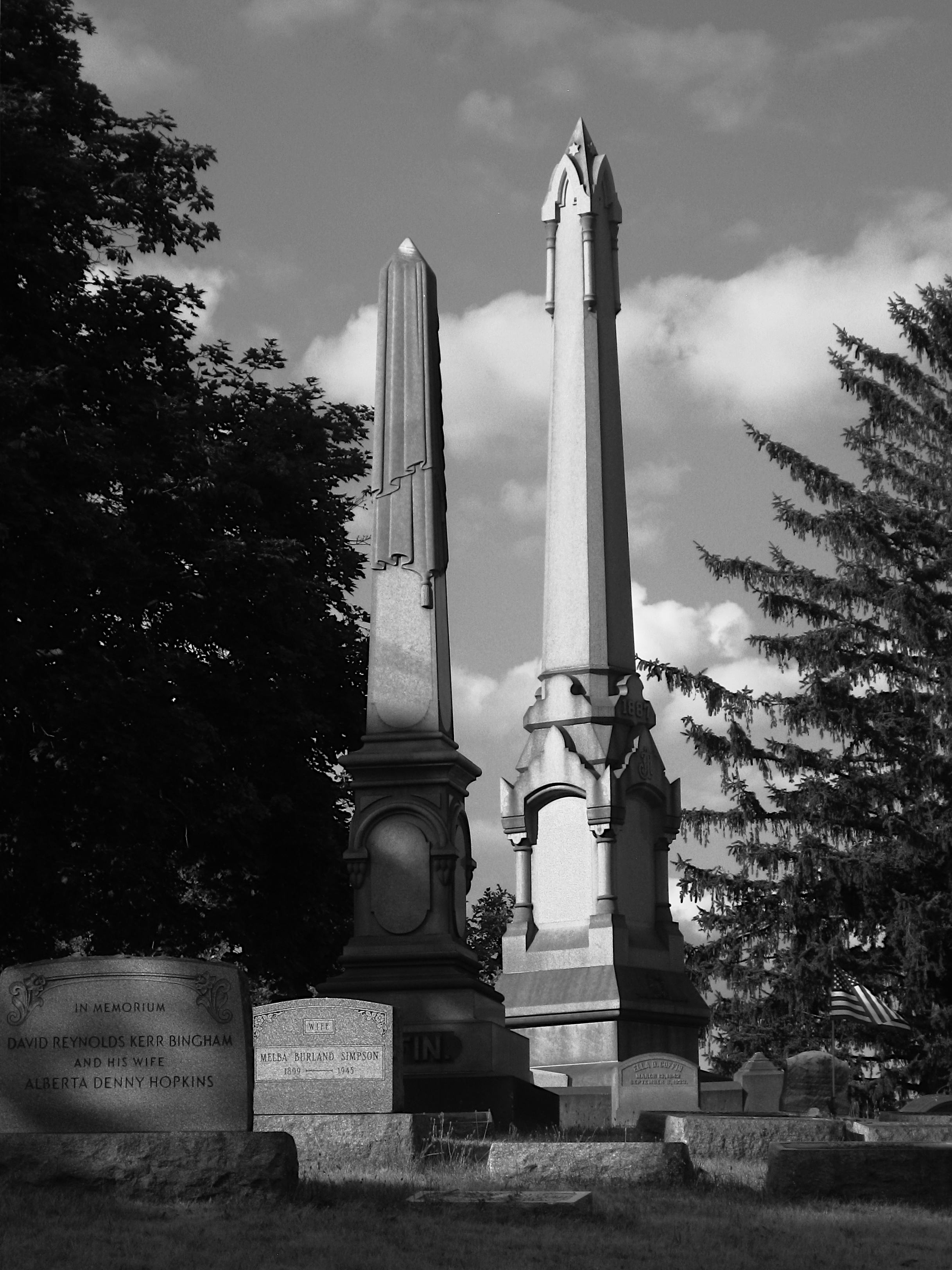
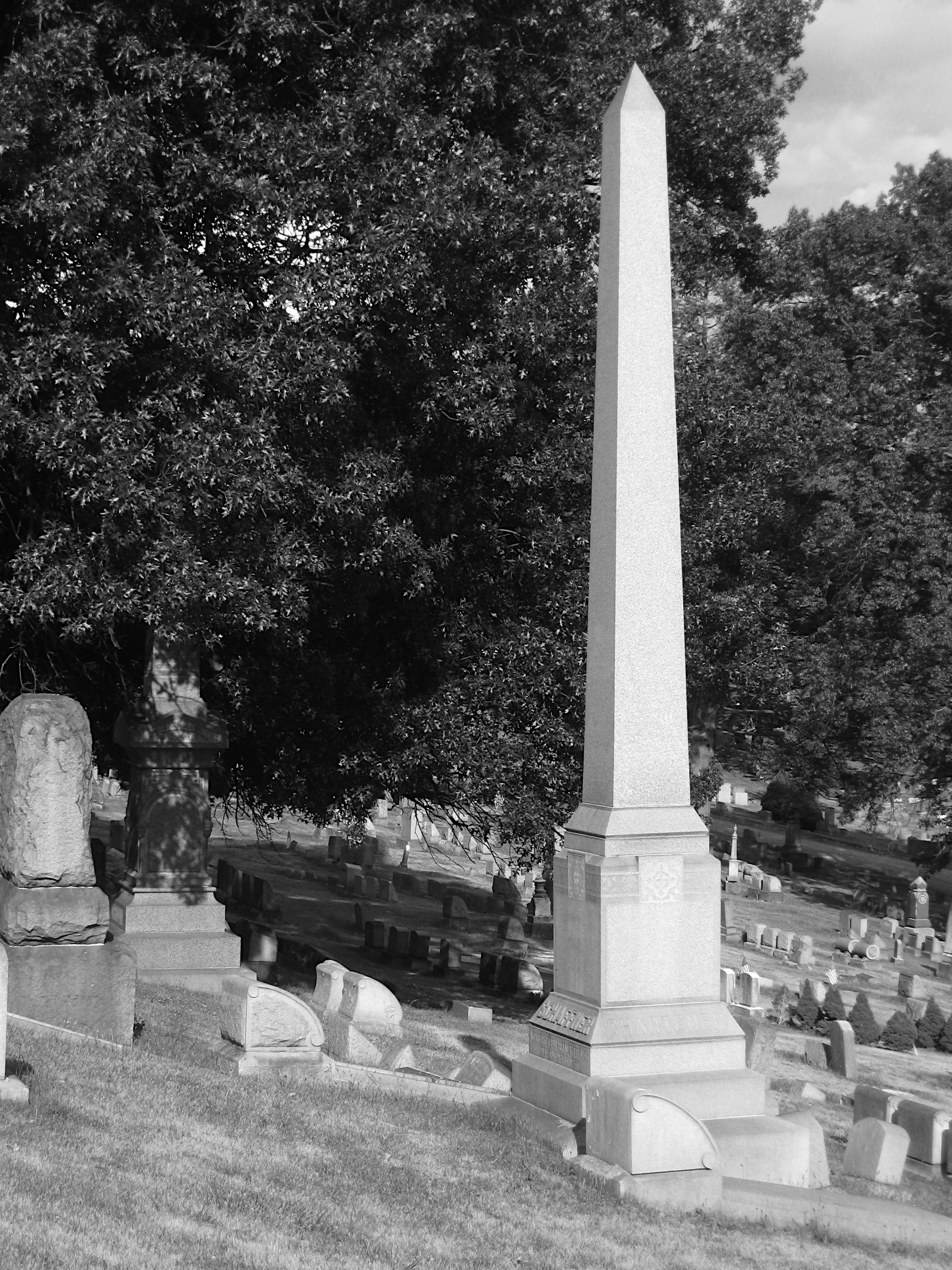
An album of black-and-white pictures of obelisks.

As usual with zinc monuments, this one is nearly as fresh as the day it was put up. There are identical inscribed panels on both sides.