
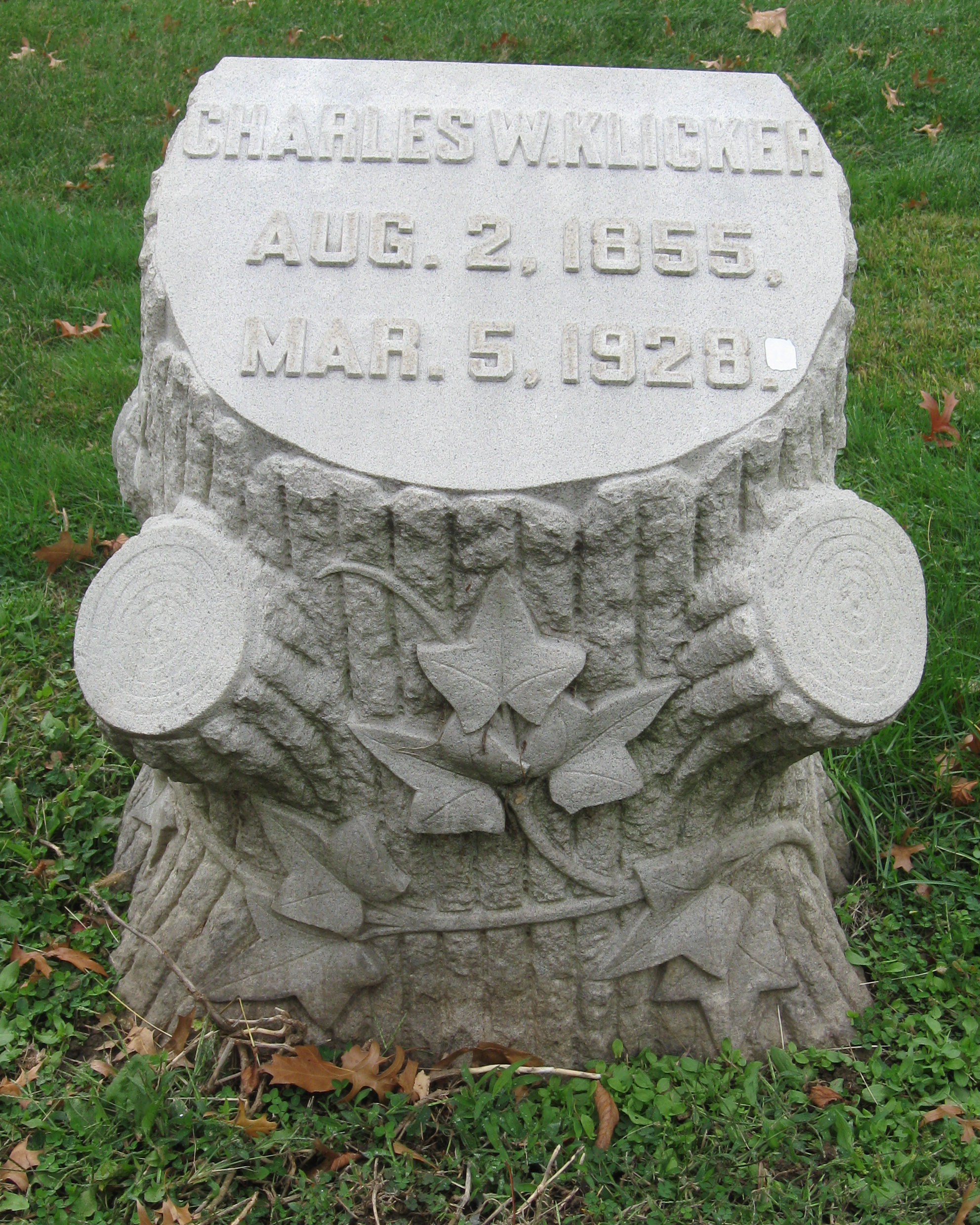
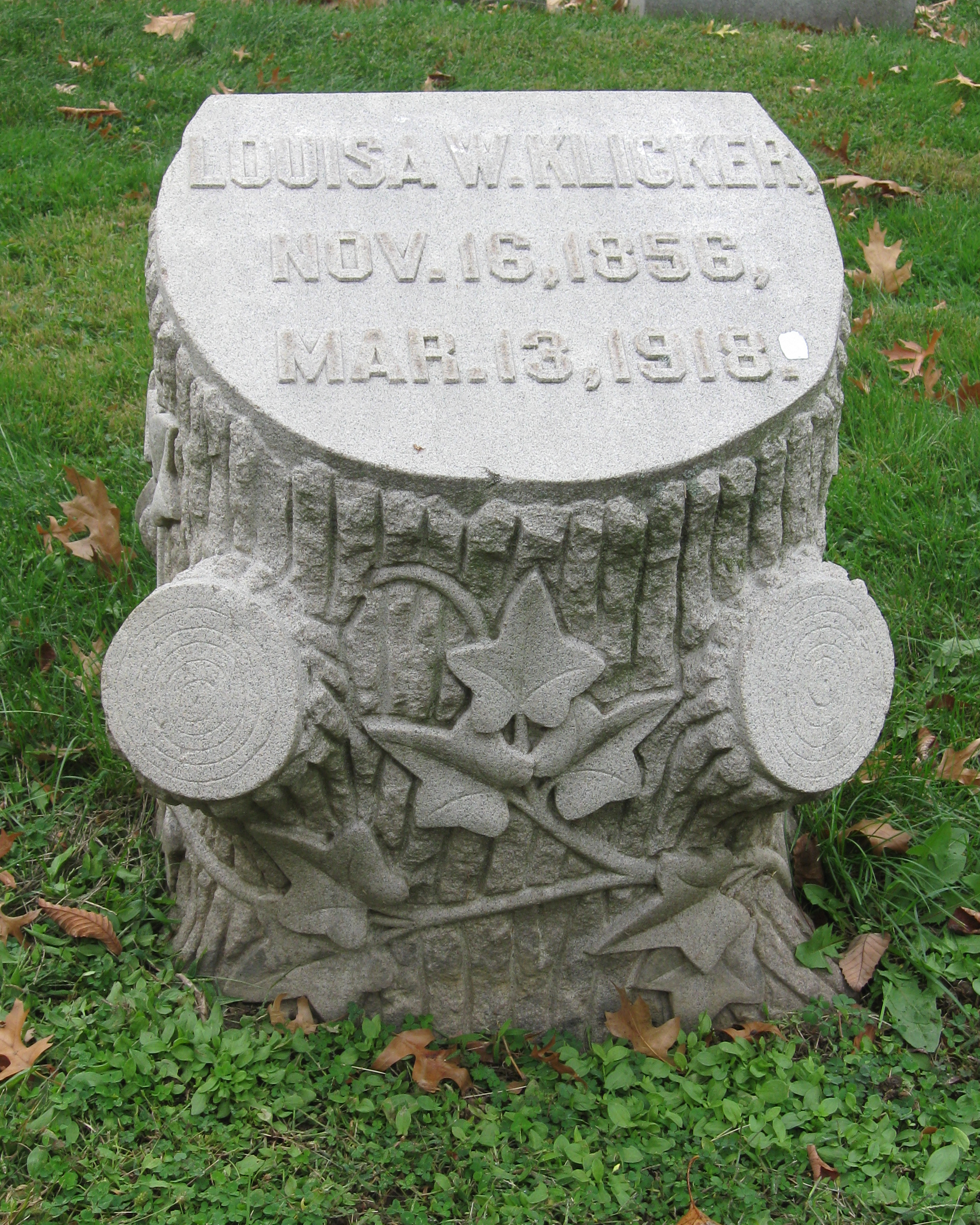
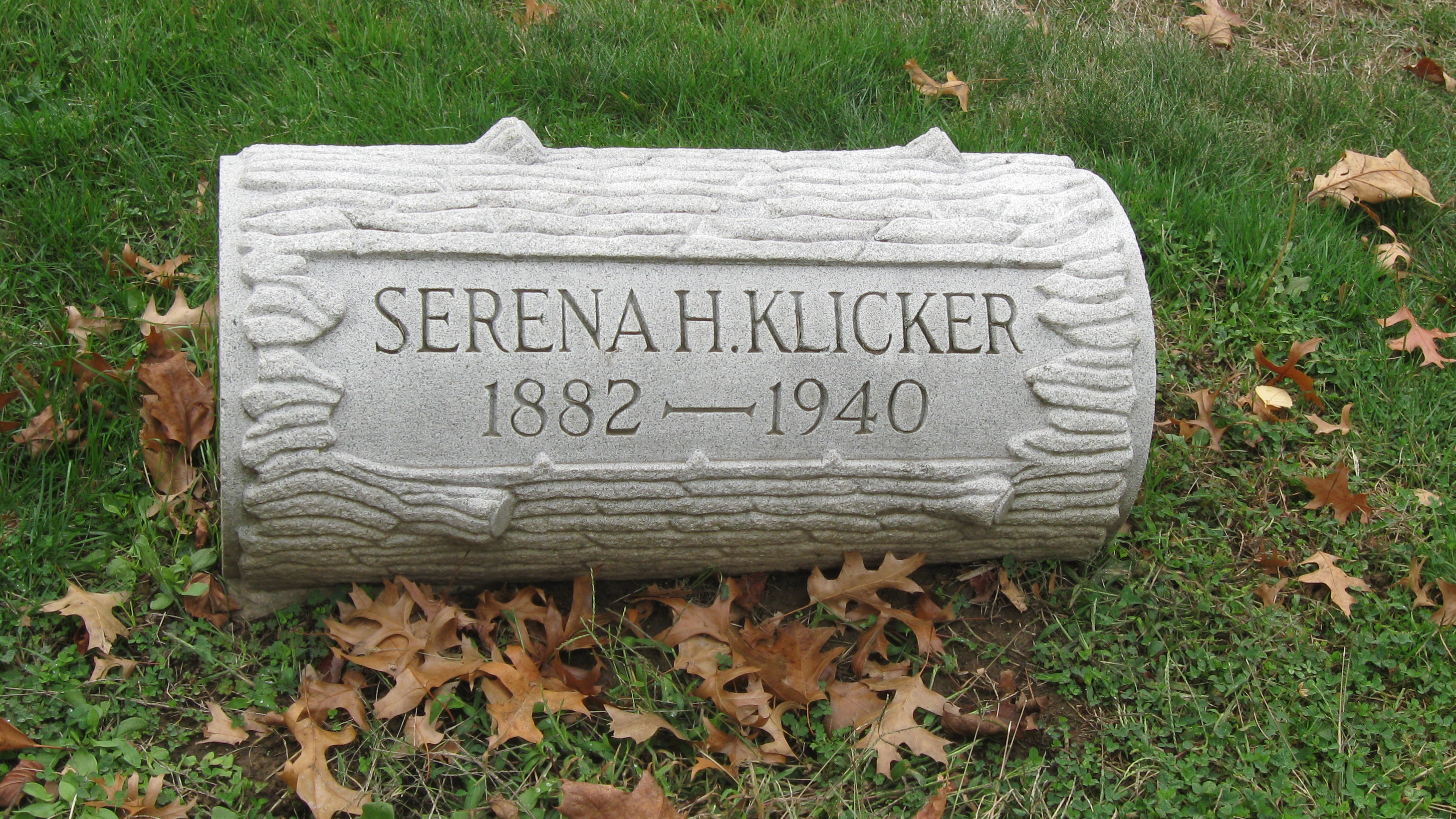
Stumps are common in cemeteries; logs less so, but not rare. This symmetrical arrangement of stumps and logs is unique in Pittsburgh, as far as old Pa Pitt knows.


The Art and Architecture of Death

The premier address for the deceased of Allegheny City, the Union Dale Cemetery is picturesquely hilly and filled with distinguished monuments and mausoleums.

Stumps are common in cemeteries; logs less so, but not rare. This symmetrical arrangement of stumps and logs is unique in Pittsburgh, as far as old Pa Pitt knows.

For their mausoleum, the McCutcheons chose a remarkably tasteful miniature Gothic church, dated 1881 over the stone doors on both sides.


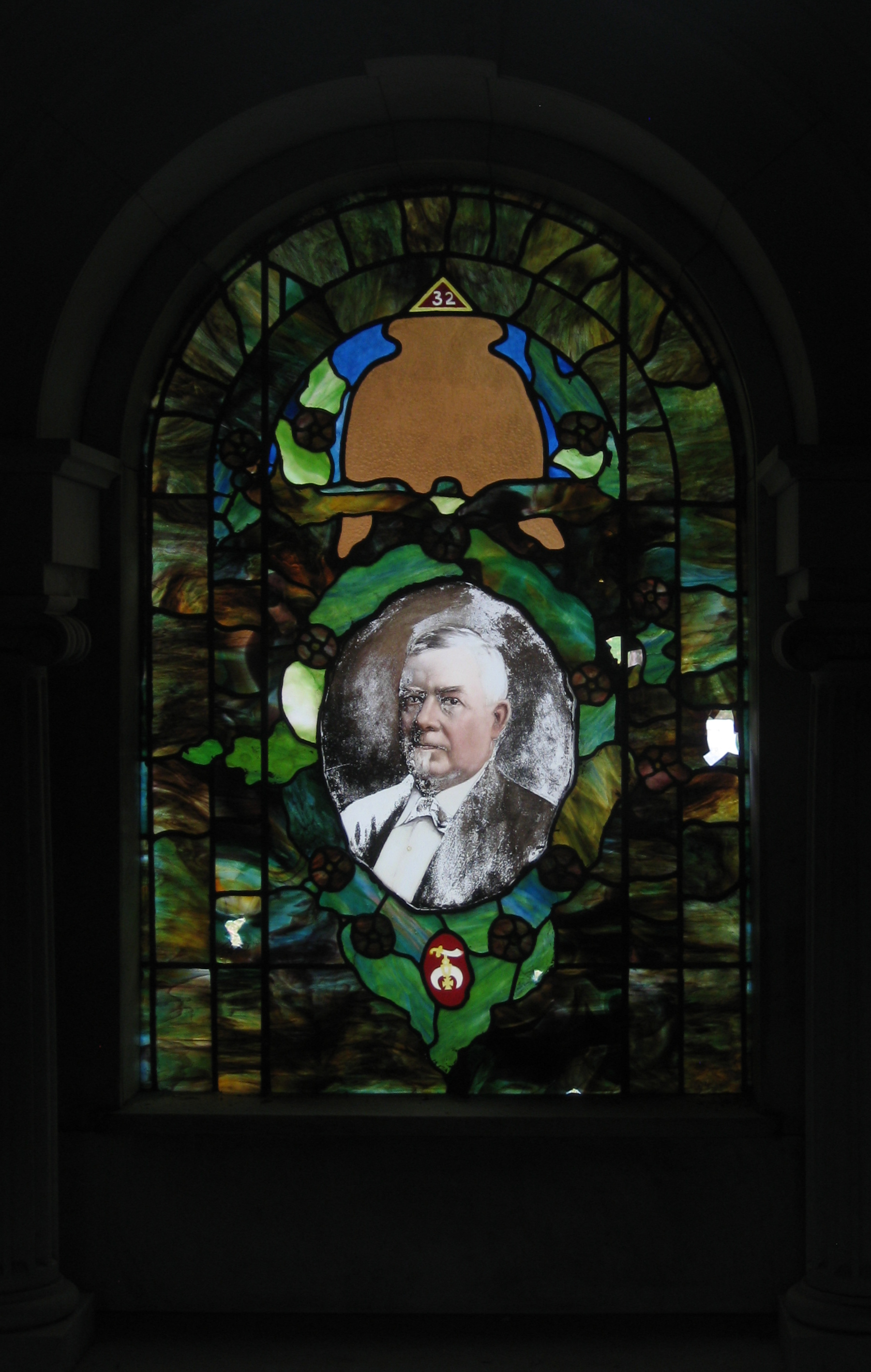
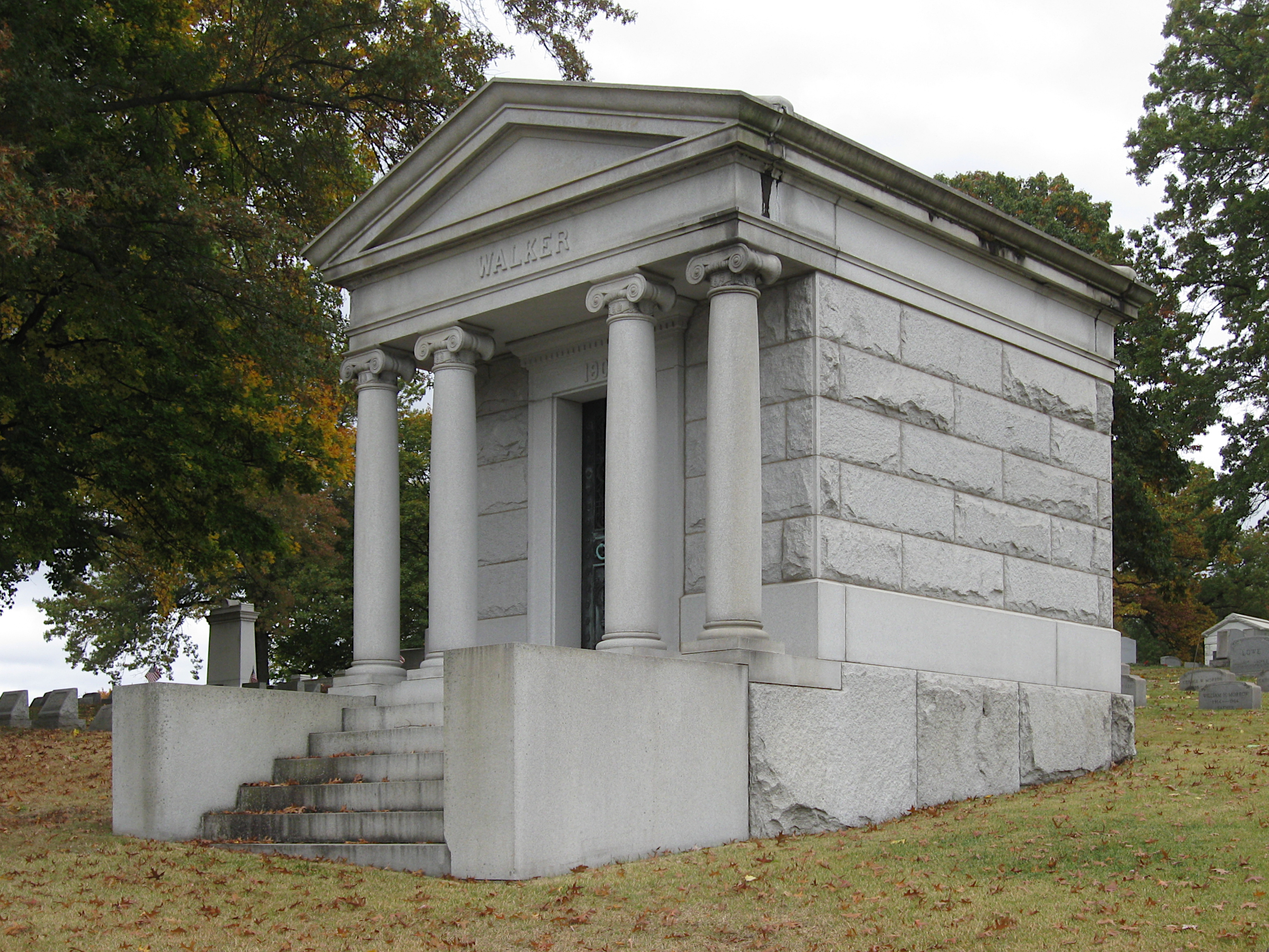
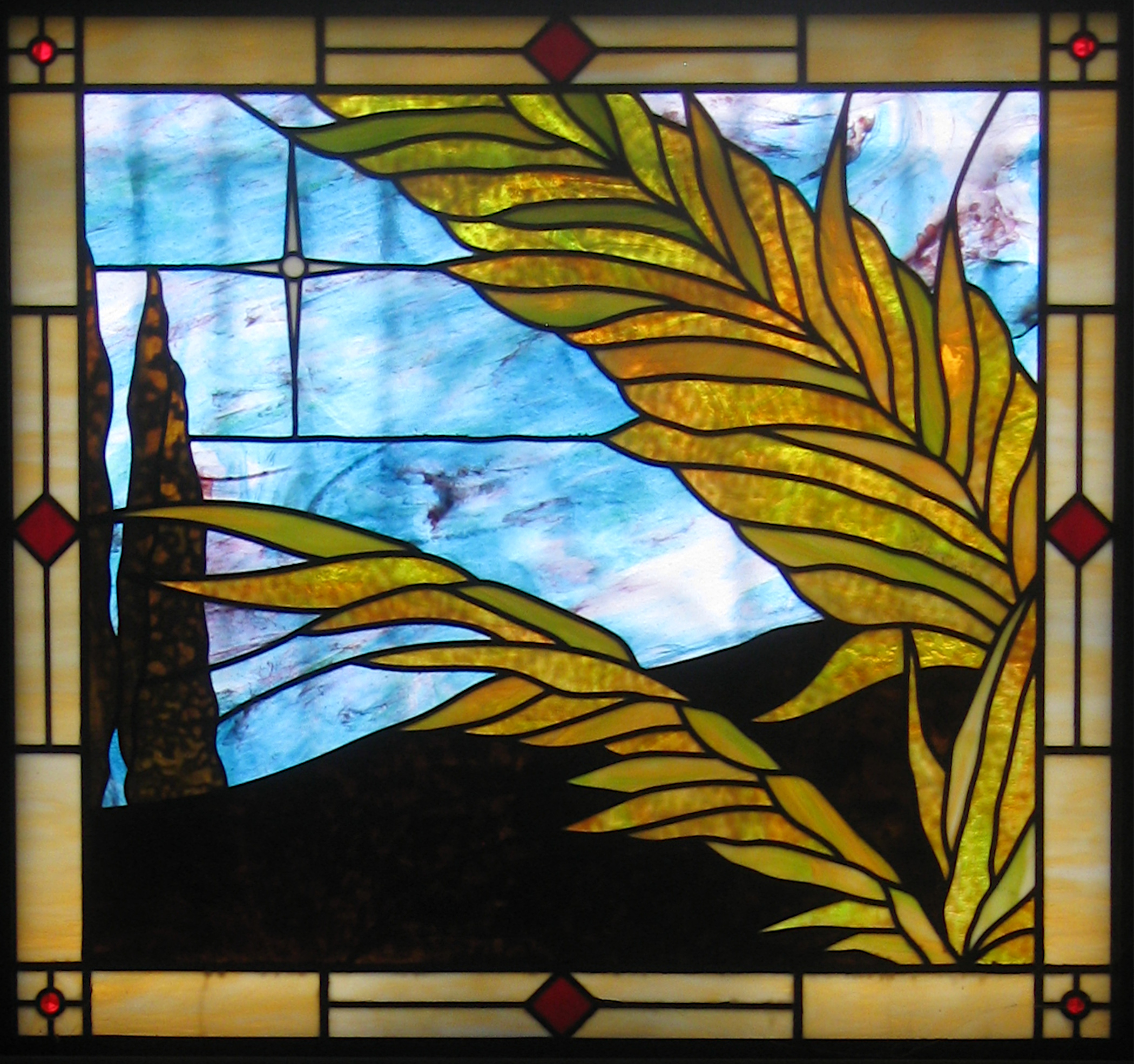
William H. Walker (1841-1904) had his portrait rendered in stained glass for the back of his mausoleum, which is the sort of thing you can do if you have the money to put up a large Ionic mausoleum like this one.


A sturdy-looking Doric mausoleum built in 1895. It looks even sturdier because the entrance, where there were probably once bronze doors, has been filled in with concrete.

The monument is eroding and the inscription has become illegible, as is the common fate of expensive marble monuments from the middle 1800s. We must admit, though, that the effect of the decay is very picturesque.

A huge and opulent Ionic mausoleum crowned by a cupola on which stands a figure of Hope shaking her fist at heaven. At least that is how it has always looked to old Pa Pitt. The Schreiners must have had quite a lot of money, but they have left few other obvious historical traces of themselves.



A tasteful Doric monument with a big blank canvas for inscriptions that was never used; instead, George and Caroline Lang have their inscriptions on their own individual resting places. The monument looks as though it may be newer than the graves themselves.

There is nothing else remotely like this in Pittsburgh. This huge mausoleum supports a towering shaft with a recording angel at the top taking notes. It was designed by Theophilus P. Chandler Jr. (which always sounds to old Pa Pitt like the name of the villain in a Marx Brothers farce), the tastemaker of Philadelphia, and the architect of First Presbyterian Church downtown.


This is a particularly splendid Ionic mausoleum. Its richness of texture makes most other classical mausoleums seem half-finished by comparison. It appears to be an exact duplicate of the Fownes mausoleum in the Homewood Cemetery, but with the addition of an extra set of steps in the front to take into account the hillside site.
The bronze doors are cast in an interesting pattern.


