The Art and Architecture of Death
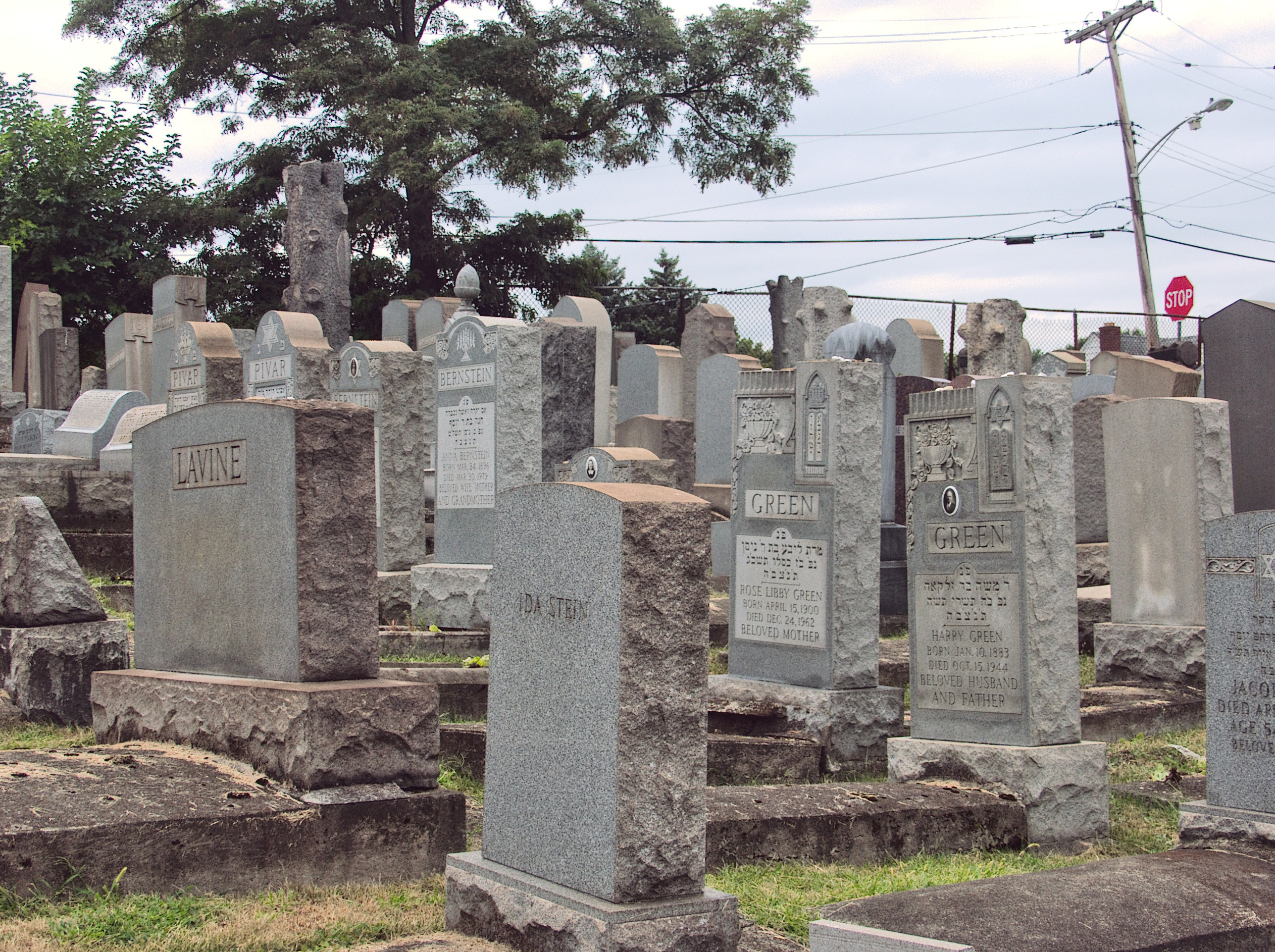
This is what a typical Jewish cemetery looks like in Pittsburgh: straight rows of graves with foot-wide alleys between, each grave given just enough space for the coffin and no more. They look like crowded urban neighborhoods, and they are designed to make the most use of the least space.
For some reason, a large number of Jewish congregations in the city bought land for cemeteries in Reserve and Ross Townships north of the Allegheny. Many of them are not marked on maps, but a satellite view will reveal the distinctive tight rows of graves.
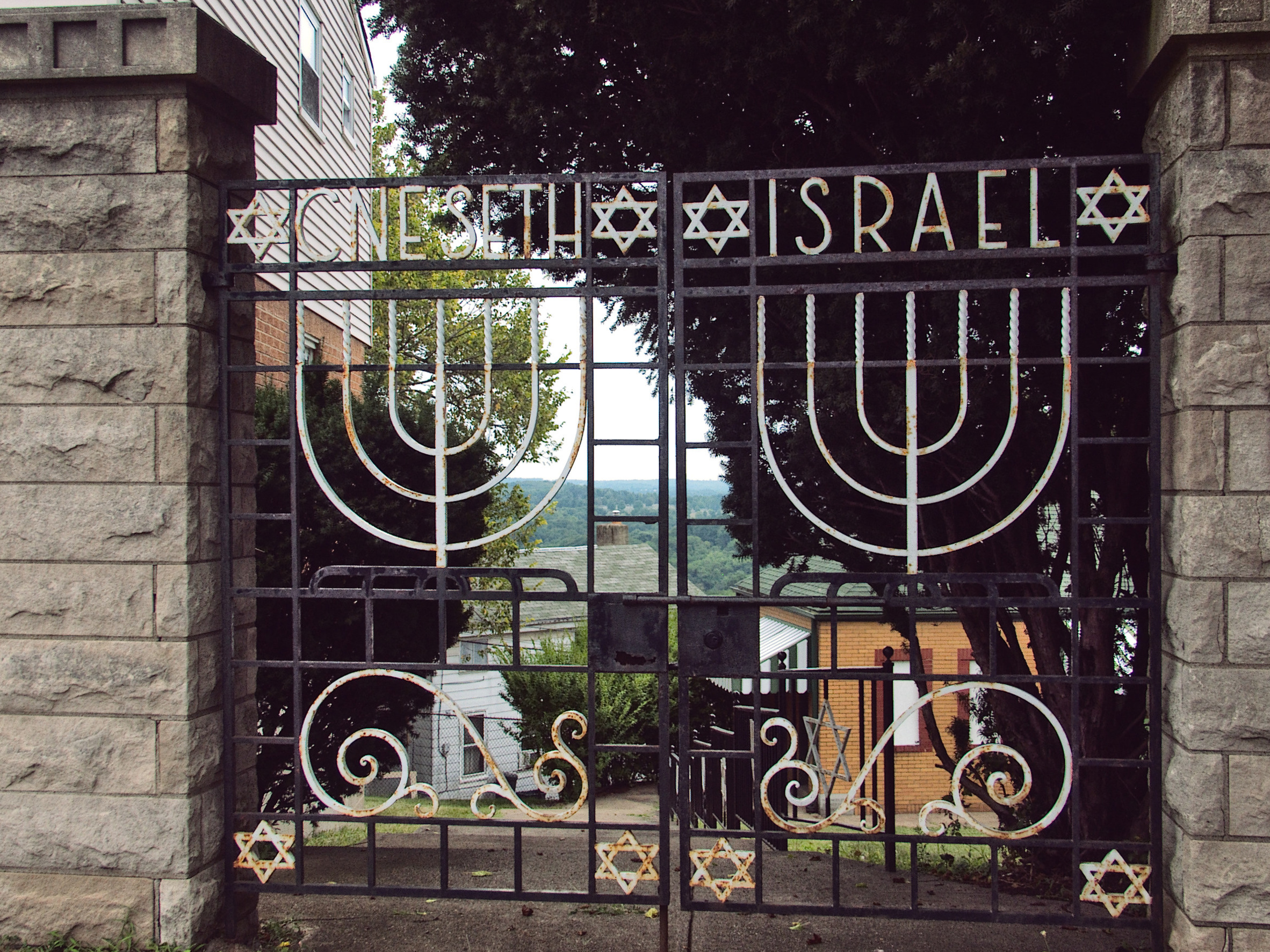
Because of frequent vandalism, many Jewish cemeteries are gated and locked, with “NO TRESPASSING” signs on the gates—a sorry reminder that, even today, it is not always easy being Jewish. This cemetery, however, was open (Father Pitt would never walk past a “NO TRESPASSING” sign without permission of the owners).
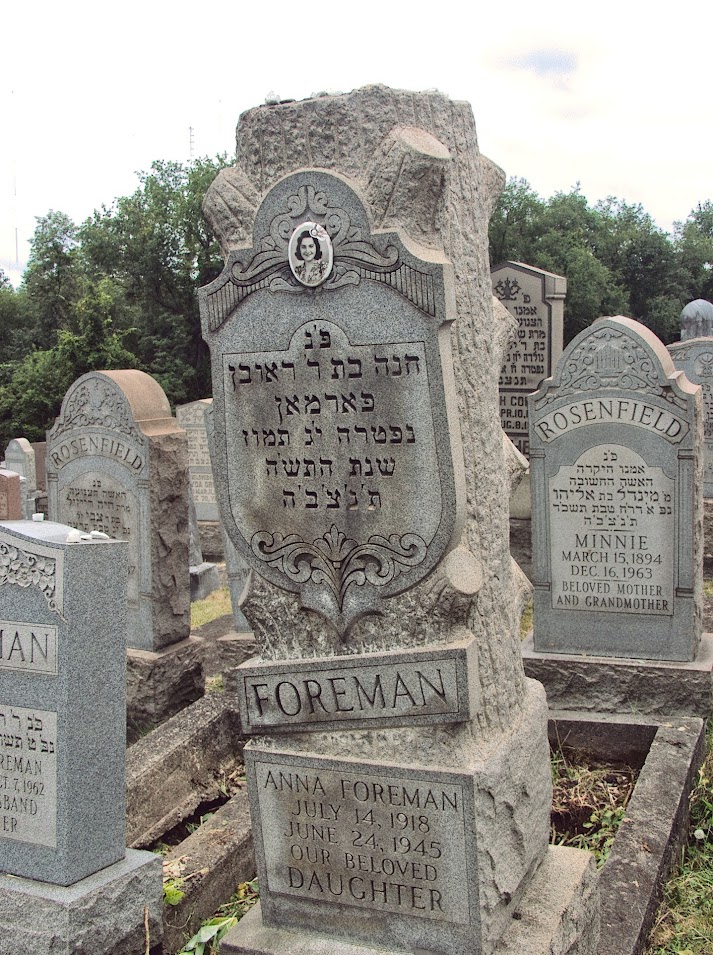
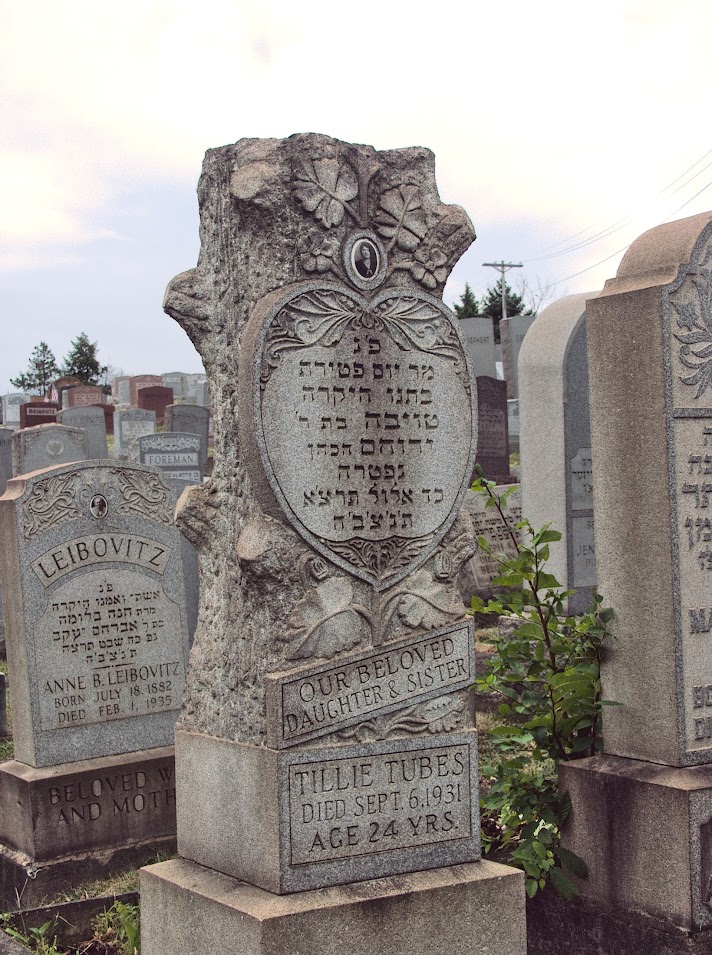
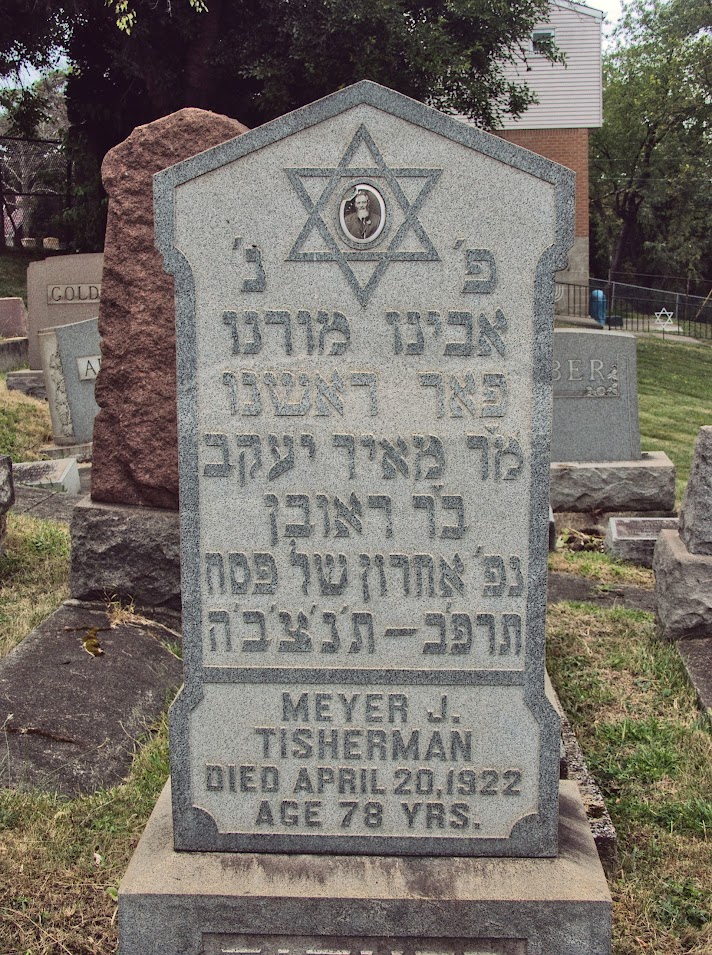
This cemetery is notable for the large number of stones with embedded photographs, and for a good number of rustic stumps crowded in with the rest of the monuments.

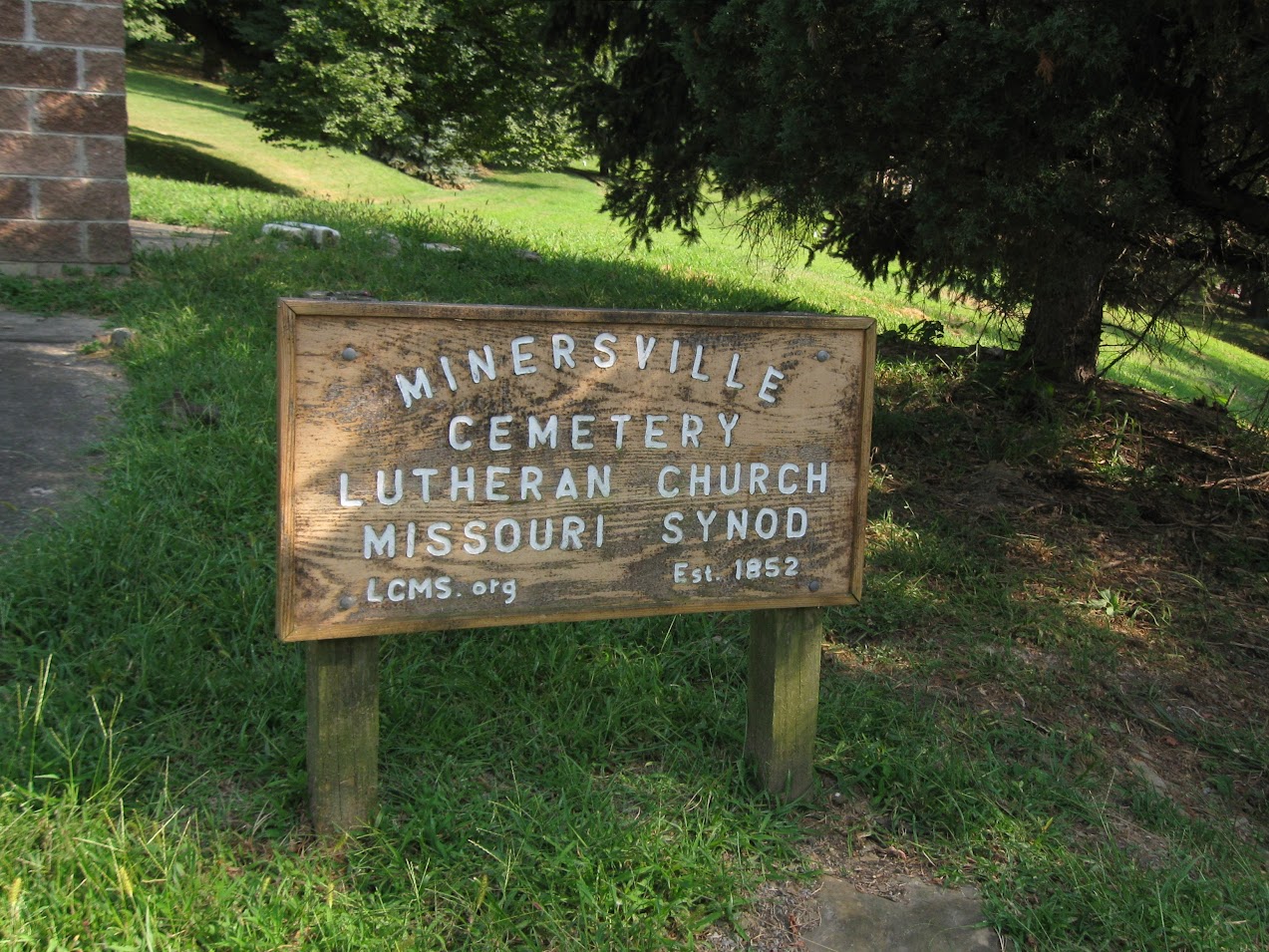
For literally decades it has been a small local scandal: the once-beautiful Minersville Cemetery, a German Lutheran burying ground in the Hill District, was overgrown with weeds and vandalized, and no one would step forward to take care of it.

Now, at last, a group of Lutheran volunteers has taken on the cemetery. With the help of a bit of money from the cemetery’s upkeep fund and some more from Pittsburgh Area Lutheran Ministries, they have cleared the weeds, righted as many of the monuments as possible, and built a fine new iron gate to keep contractors with pickups from driving in to dump their garbage. (Pedestrians without garbage are still welcome.) The cemetery is beautiful again, an oasis of quiet repose in the middle of Herron Hill.

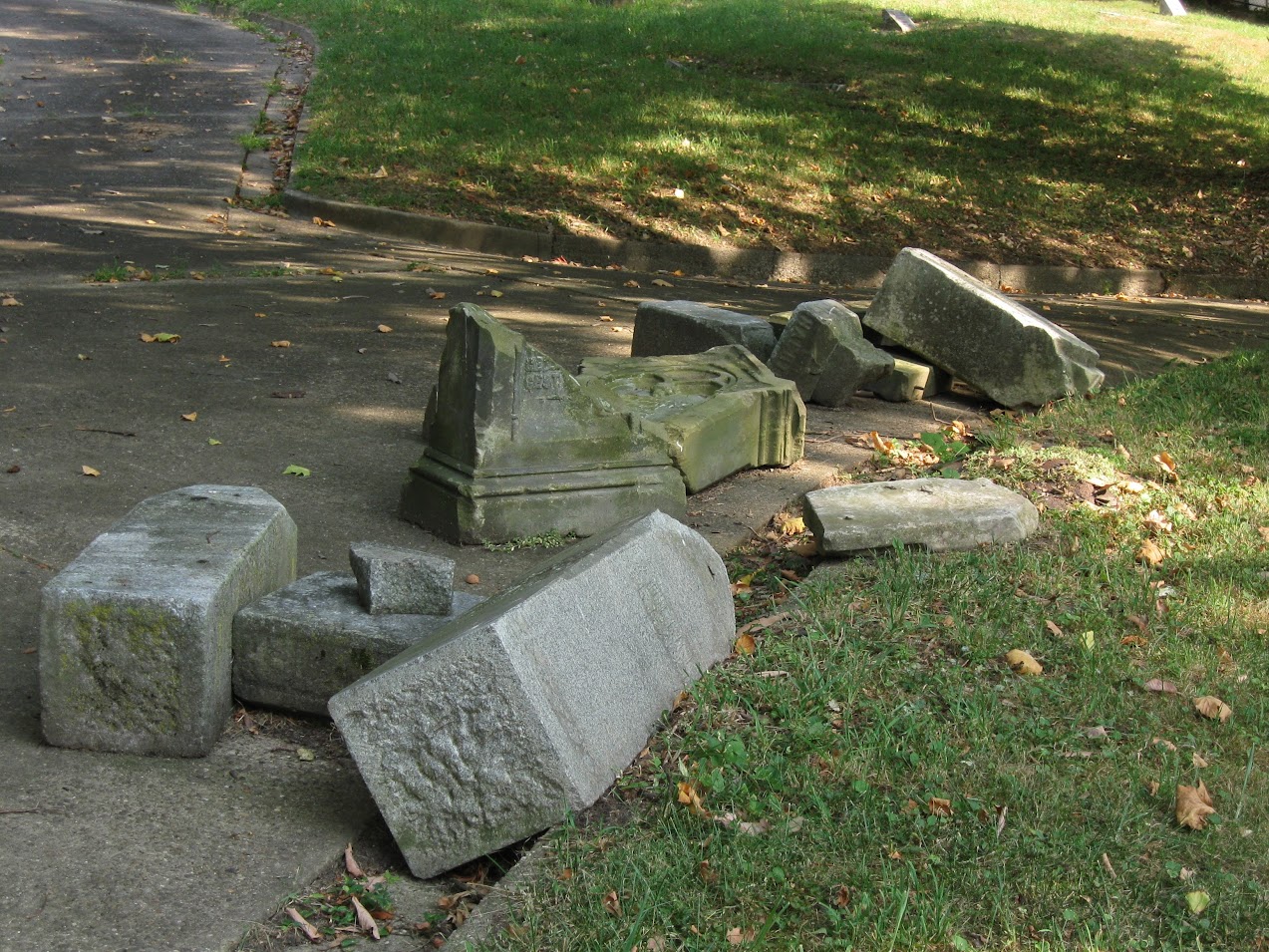
Some work still to be done: toppled and broken monuments gathered on one of the cemetery drives.
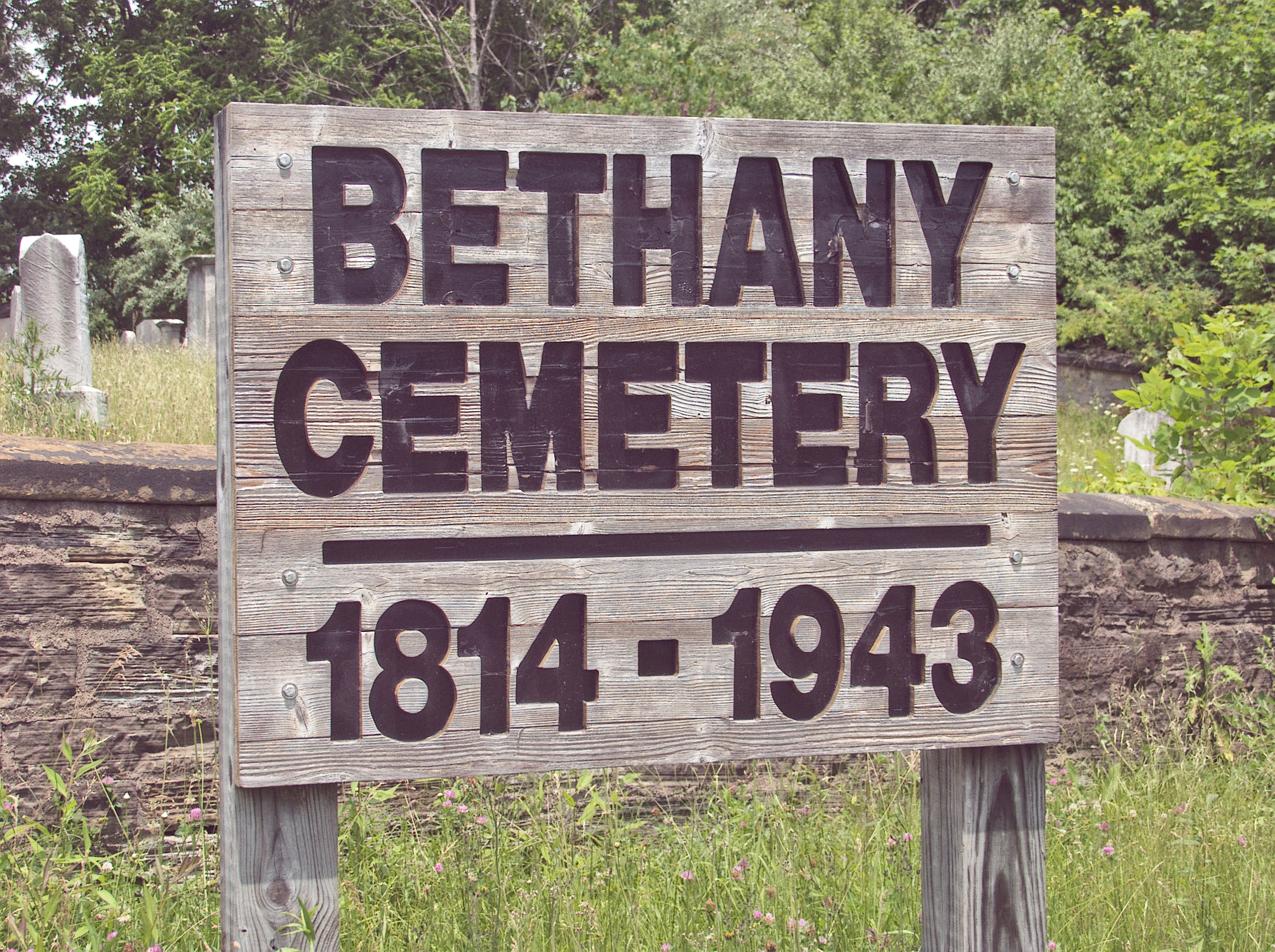
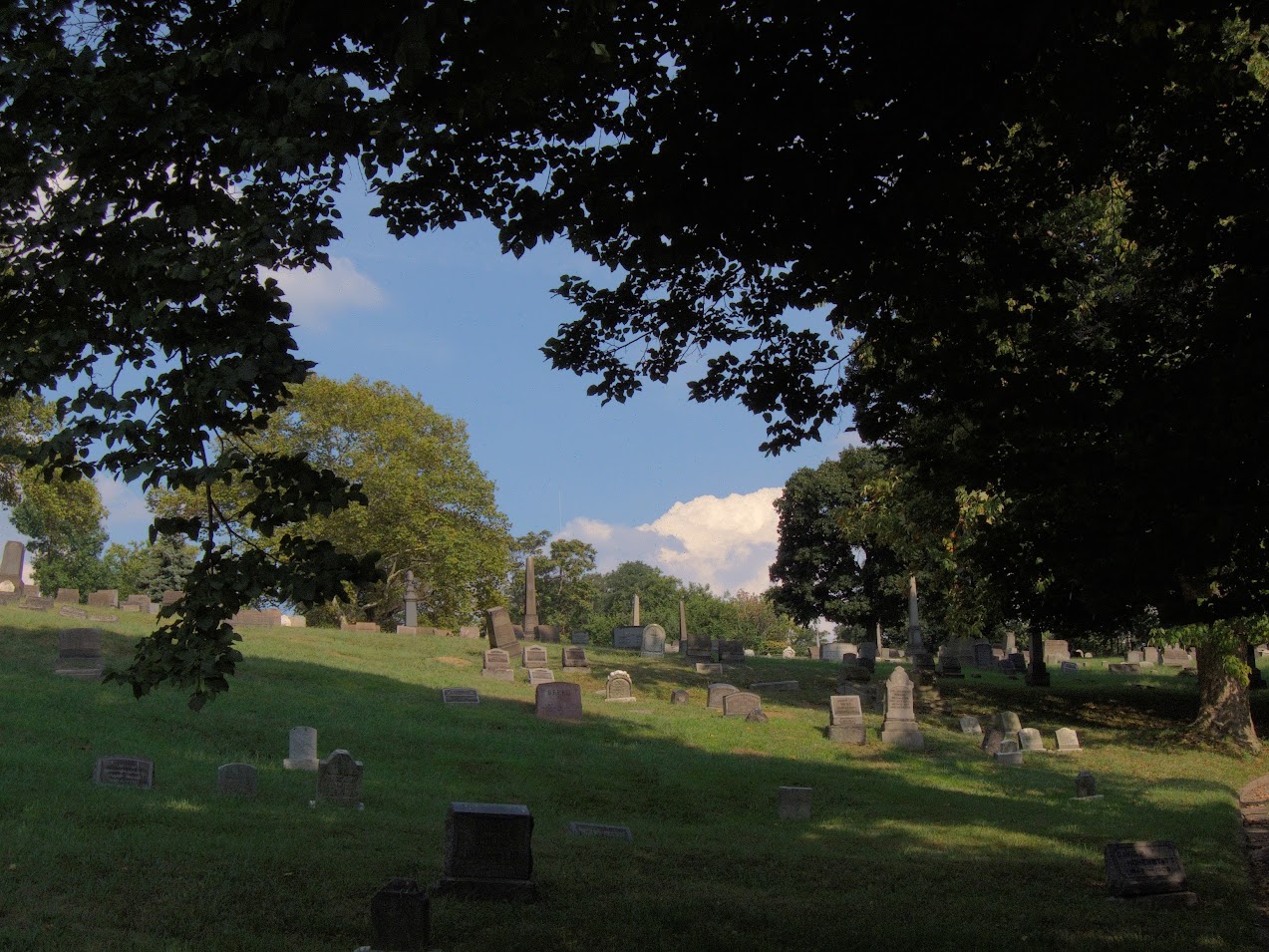
The Bethany Cemetery was originally the churchyard of Bethany Presbyterian Church, now located on Washington Avenue in Bridgeville. It was founded in 1814 and continued to receive burials until 1943. Many of the early tombstones from 1830 and before are still quite legible.
Visiting this cemetery is a bit of an adventure. It sits above the Presto-Sygan Road, and just to the south of the cemetery there is a little space in the weeds where one can pull off and park—if no one else is parked there. One must then walk back along the road, squashed against the stone wall, until one reaches the steps up into the cemetery.


This beautiful fountain surrounded by benches is a favorite spot for cemetery visitors. It’s a fine place for an impromptu picnic.