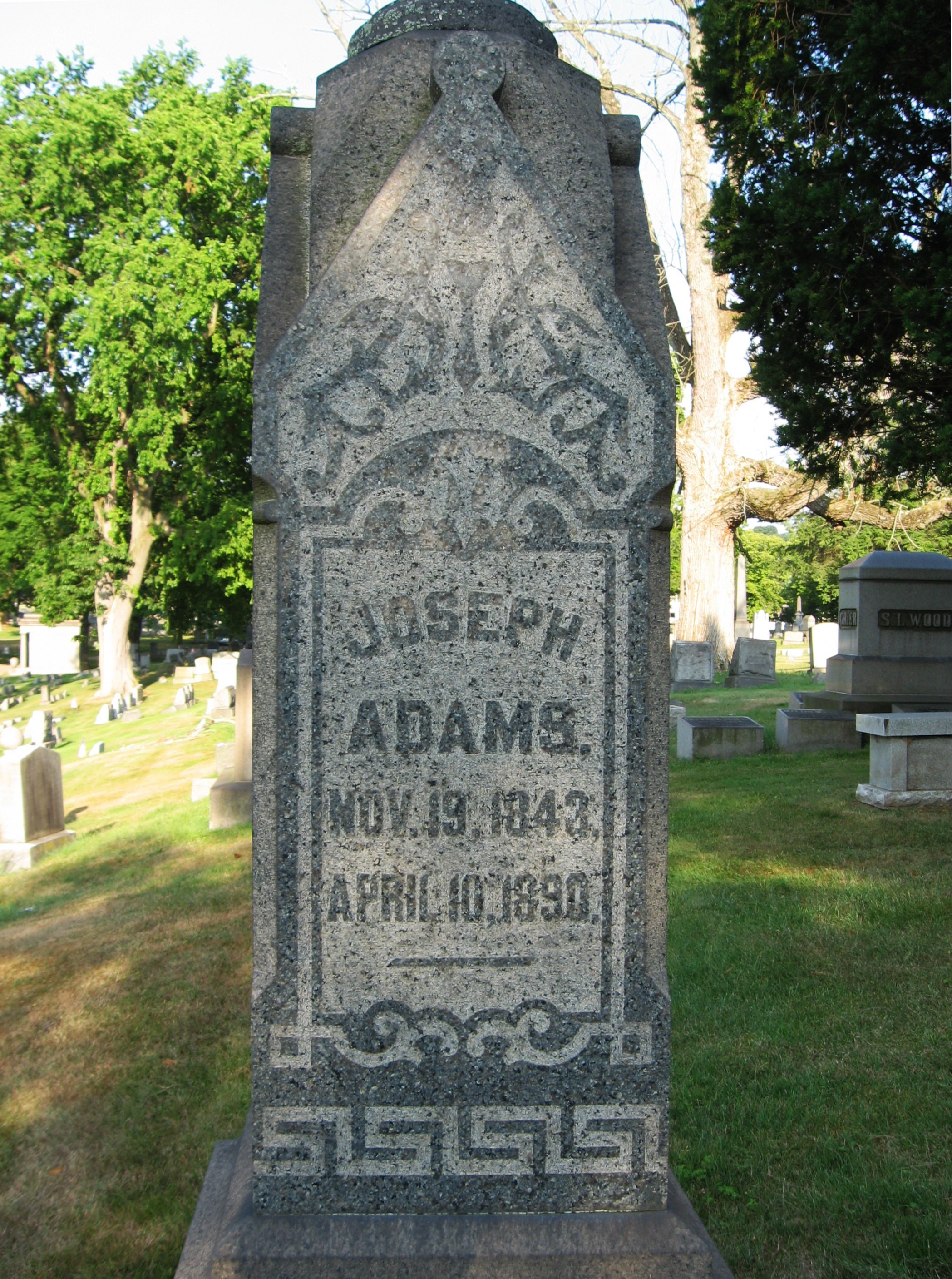
Topped with an unusually abstract urn, this monument is very eclectic in its influence, with a sharp Gothic point and Greek-key ornaments. The abstract foliage tracery is a pleasing touch.

The Art and Architecture of Death
Topped with an unusually abstract urn, this monument is very eclectic in its influence, with a sharp Gothic point and Greek-key ornaments. The abstract foliage tracery is a pleasing touch.
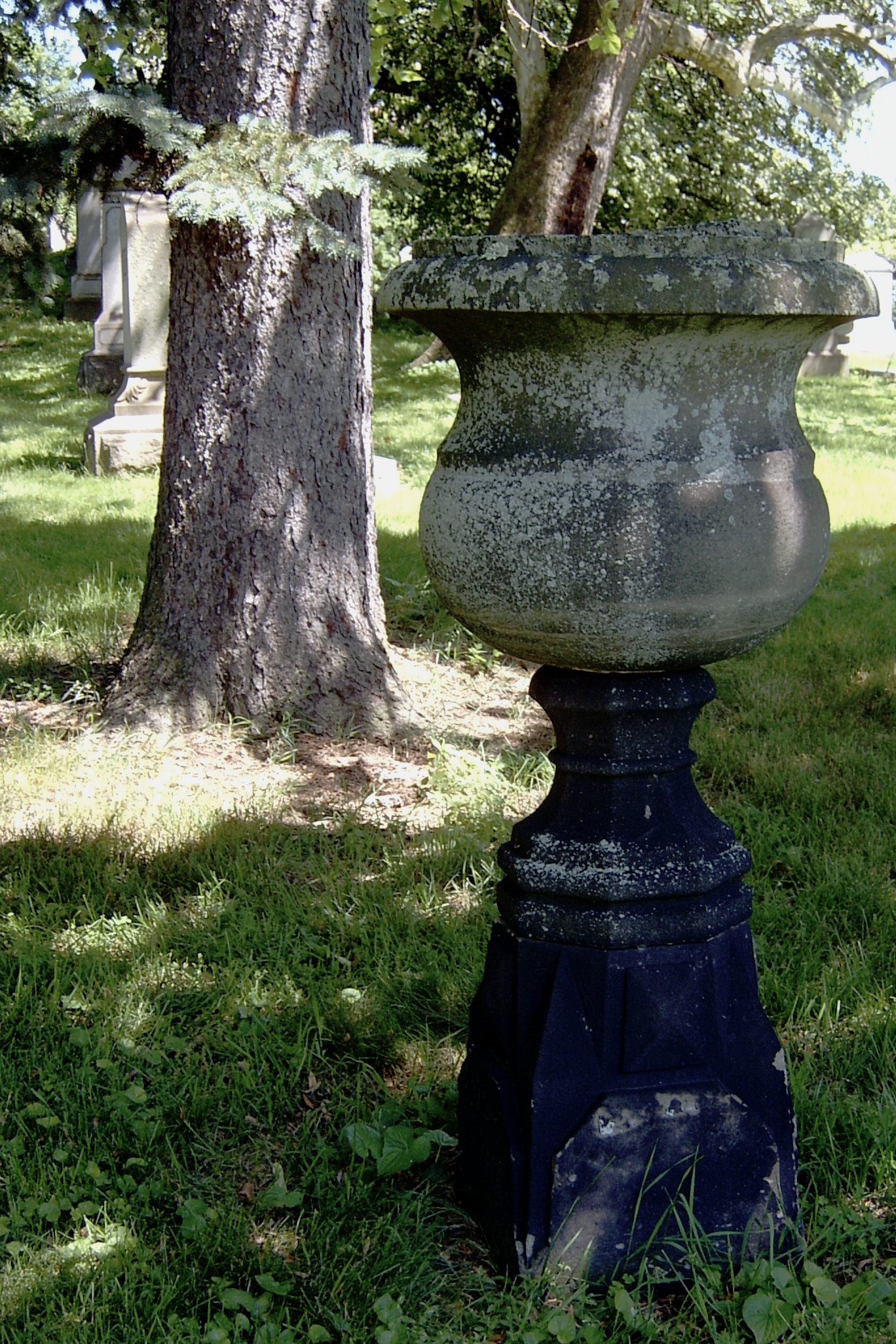
This urn bears no markings, or at least none that old Pa Pitt could find. It is picturesque in its way, whether it marks a grave or whether it is just a landscape decoration.

An unusual Romanesque design, though with a little point at the top of the arch to suggest the Gothic in case you don’t like Romanesque.

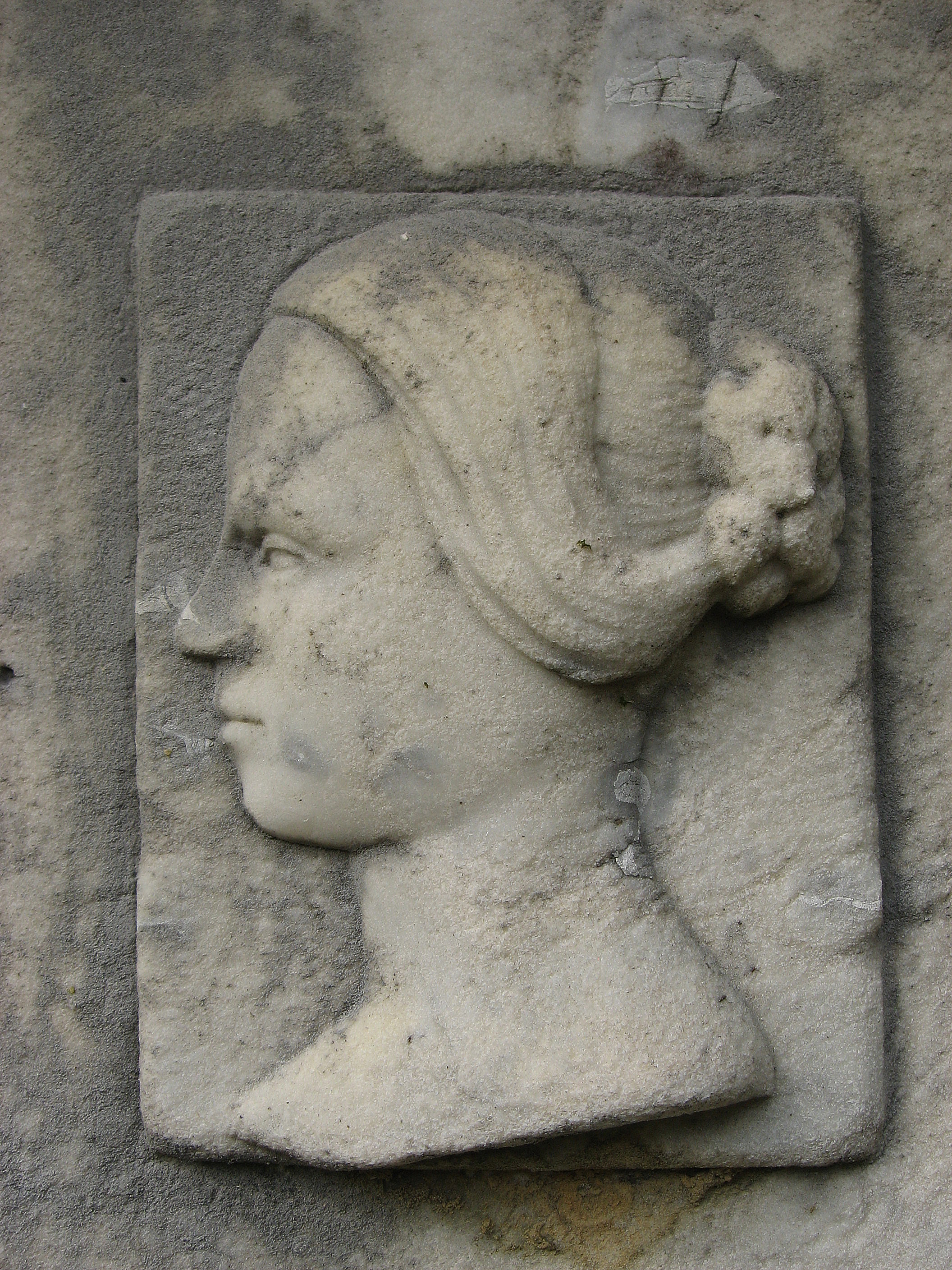
These matching monuments have been a little damaged by time, but still make an impressive pair. Mary’s has a profile vignette that looks as though it is meant for a portrait of the deceased. Small as it is, it is a fine piece of work.
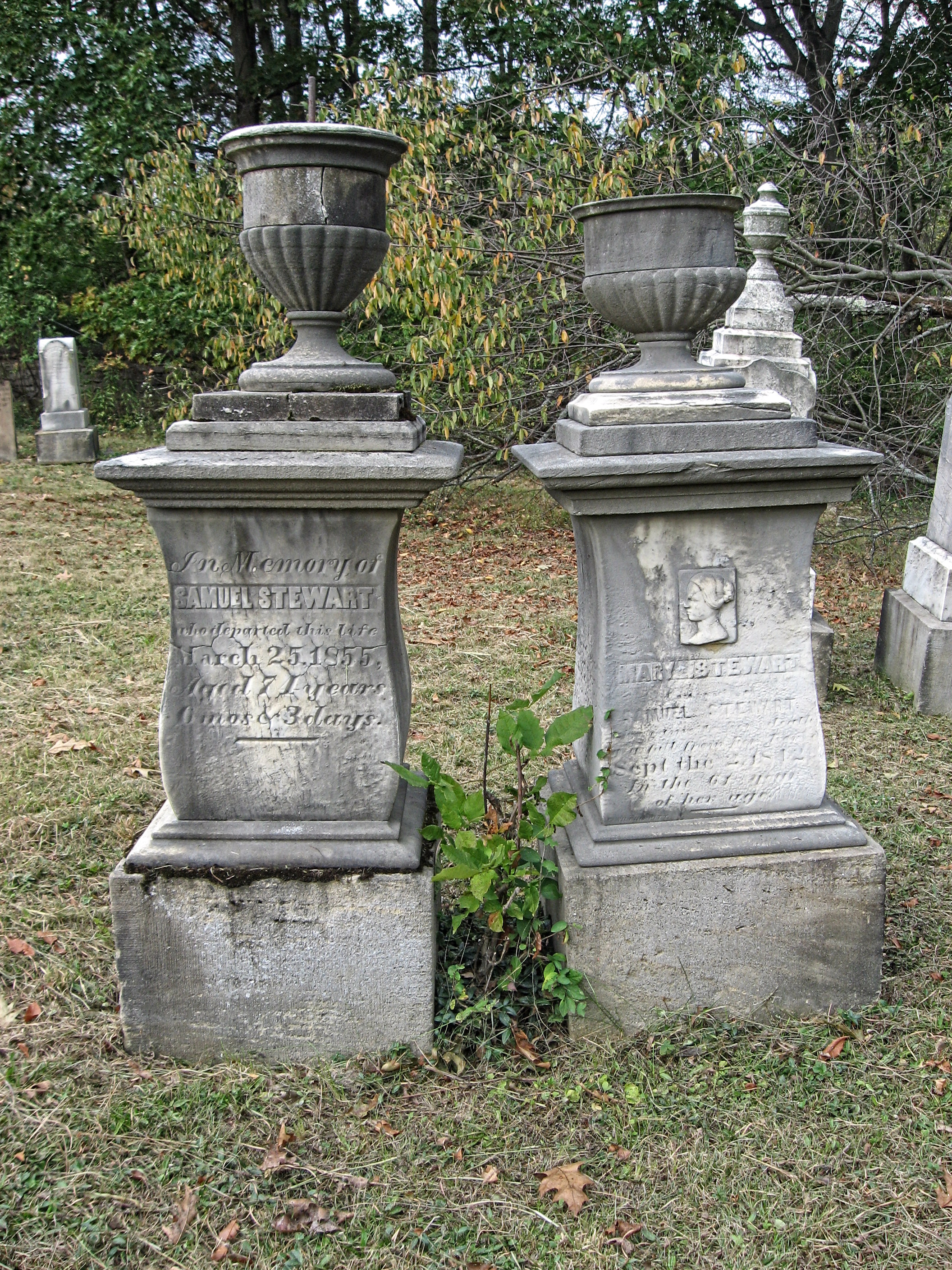

In Memory of
SAMUEL STEWART
who departed this life
March 25, 1855,
Aged 74 years
6 mos & 3 days.
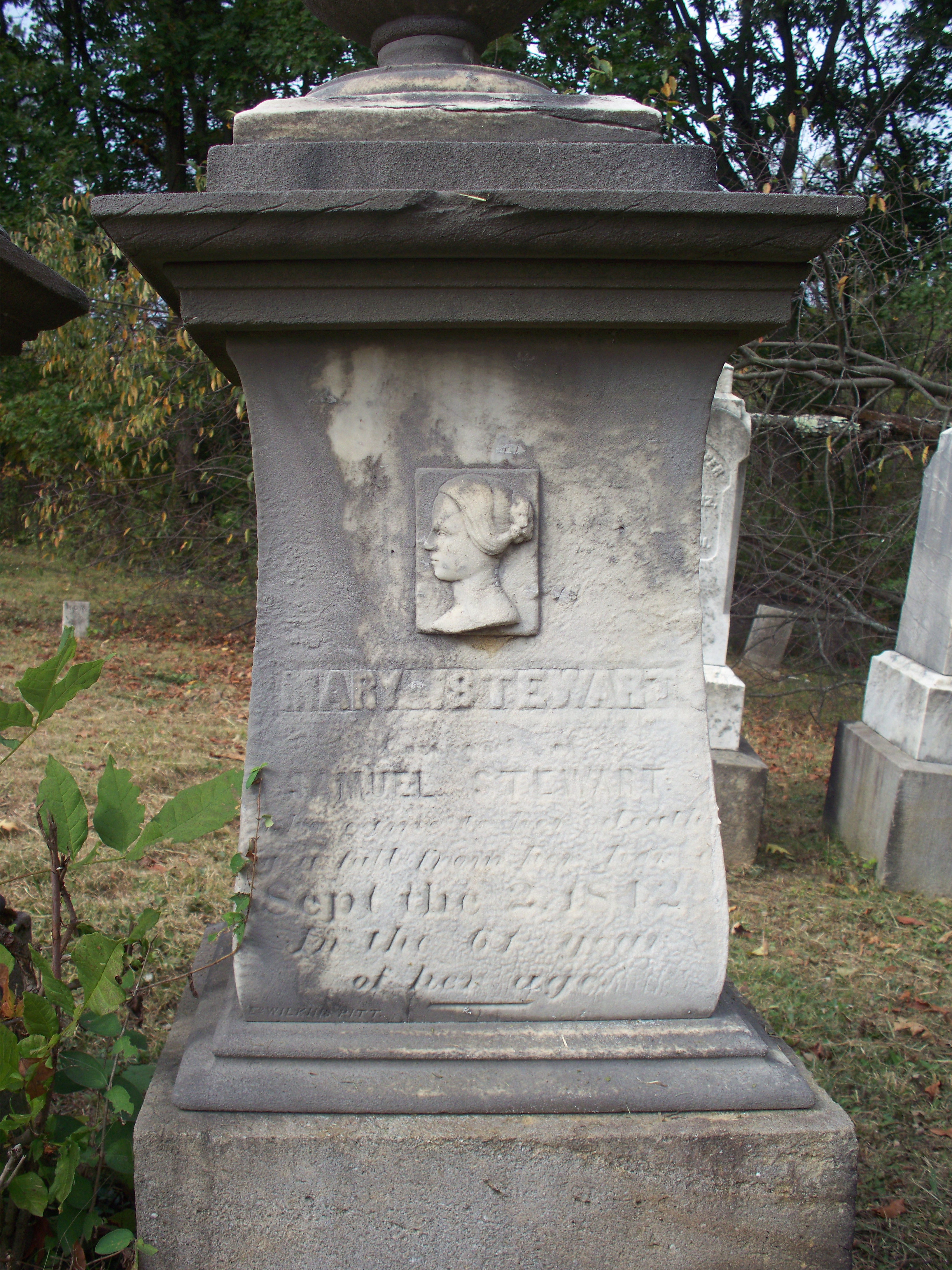
MARY STEWART
Consort of
SAMUEL STEWART
who — — —death
— — from — —
Sept. the 2, 1842,
In the 61st year
of her age
Father Pitt was not able to read the entire inscription. In fact Mary’s monument is covered with inscriptions on all sides, most of which seem from the form of them to be poems or hymns, but which have been made illegible by the gradual erosion of the marble. We can, however, read the signature of the artist: “Ed. WILKINS PITT.”
On the back of the monument is another profile, smaller and much more eroded than the one on the front:

Father Pitt suspects that it may represent a son who died in childhood.

A pair of matched urn-topped ,marble monuments—matched, but not quite. It looks as though Robert’s heirs could not get exactly the same design when he died three and a half years after his wife. The epitaphs were clearly inscribed by different artists. (The tree in the background had just fallen the night before Father Pitt visited, fortunately doing no damage to the monuments.)

The epitaph:
Dearest Mother, thou hast left us,
And thy loss we deeply feel;
But ’tis God that hast [sic] bereft us.
He can all our sorrows heal.
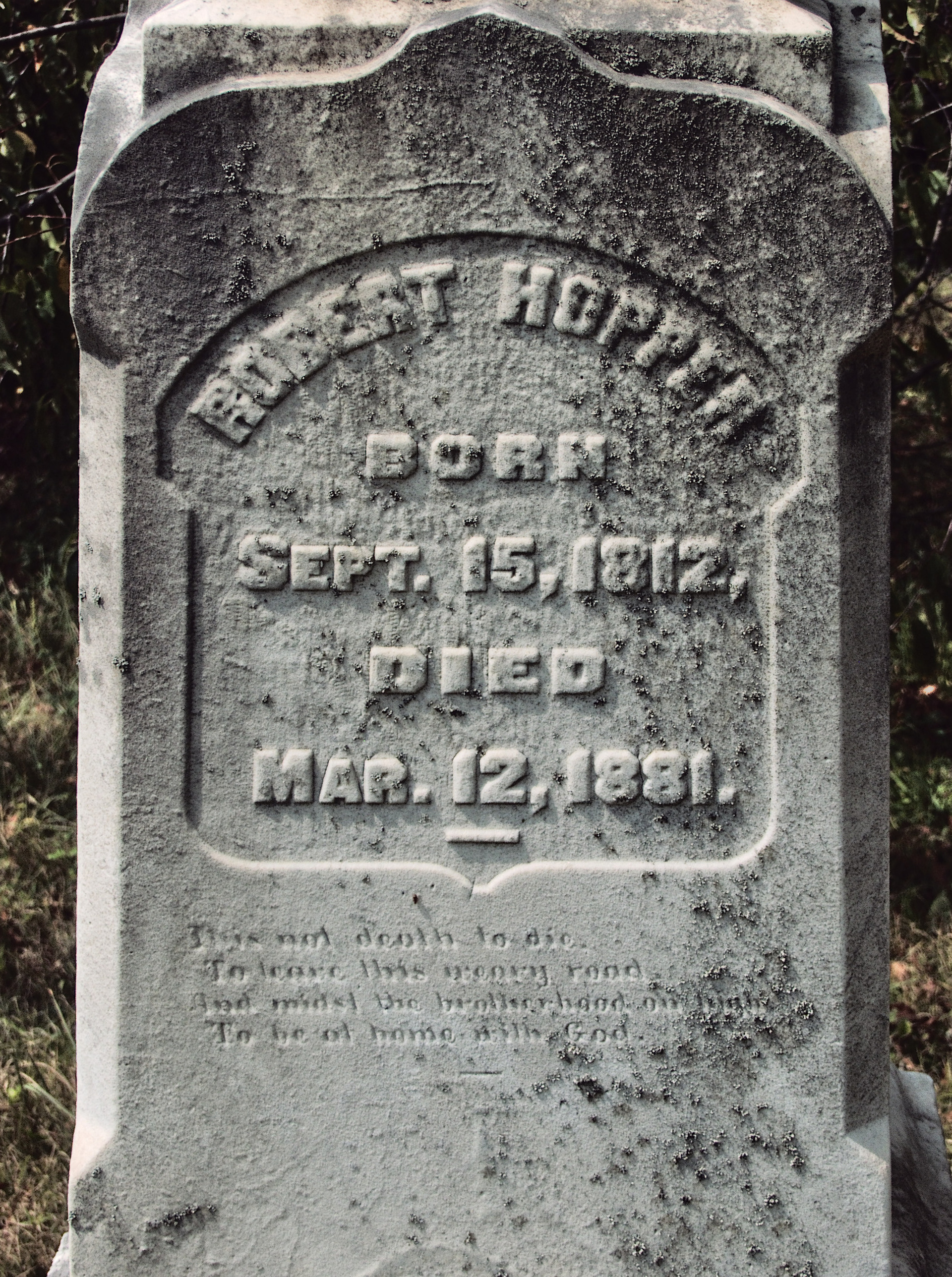
The epitaph:
It is not death to die,
To leave this weary road,
And midst the brotherhood on high
To be at home with God.

Here in Zion Cemetery, Whitehall, is an interesting document in the German-American immigrant experience.
George and Sophia (Klotz) Gutbub had a number of children who did not survive to adulthood, all buried in a row in the family plot. Those children all died with the name Gutbub—but their father did not.


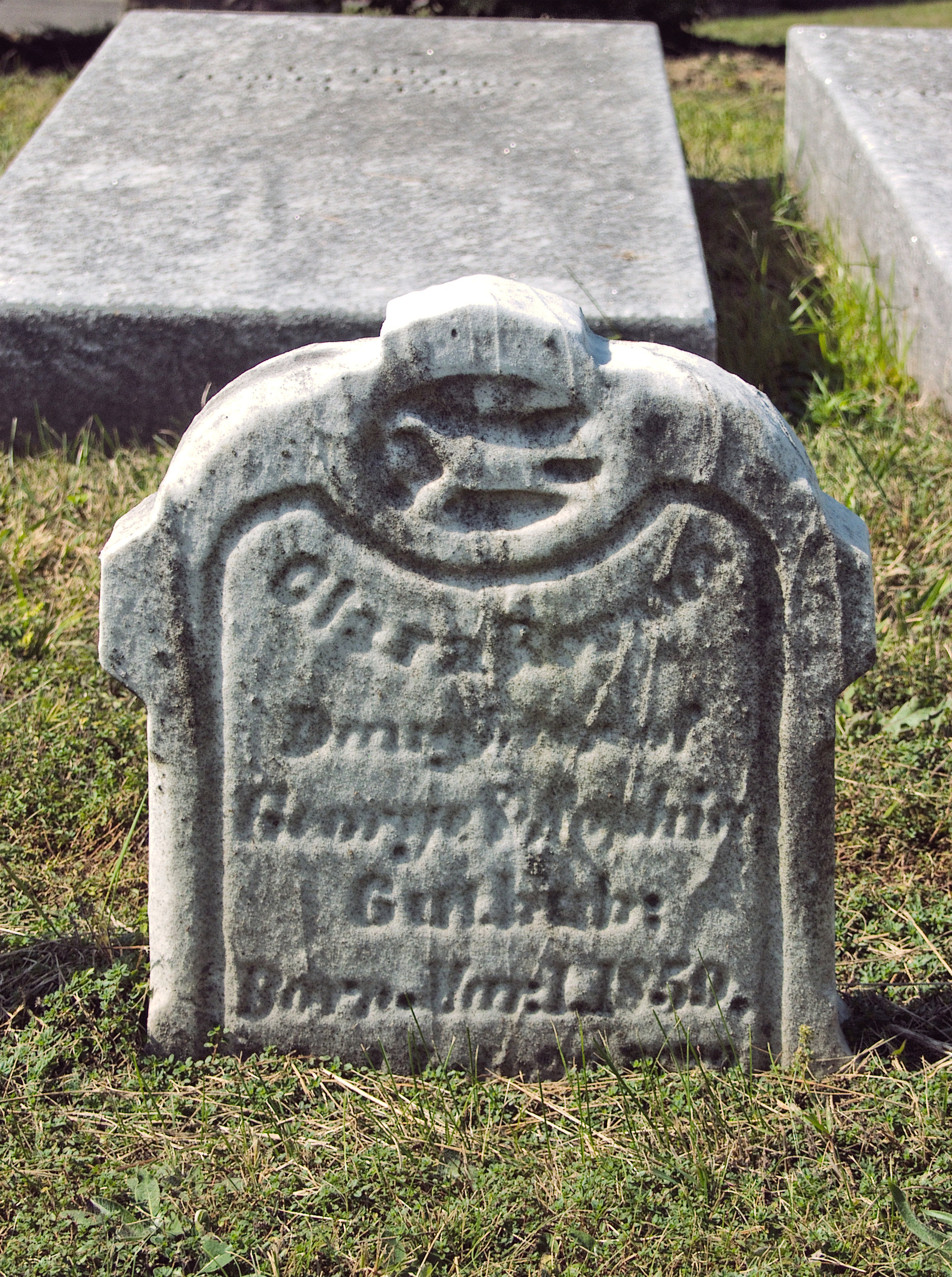

In 1896, Sophia died as well, and was buried under the spelling “Guttbub”:

George later married a much younger woman, and at some point they decided that “Gutbub” was entirely too German. Father Pitt suspects that point may have come during the First World War, when some German-American families had good reason to fear for their lives.
So they Anglicized their name to “Goodboy,” and the name has stuck with their family ever since.


The plot is still in use, and all subsequent burials bear the name Goodboy. And, as you see in the picture at the top of this article, the family monument has had “Goodboy” added at the bottom, so that all the Gutbubs become Goodboys retroactively.
Thus the story of one family becomes the story of the Americanization of the Germans in America, who are America’s largest, but arguably America’s least visible, immigrant group.
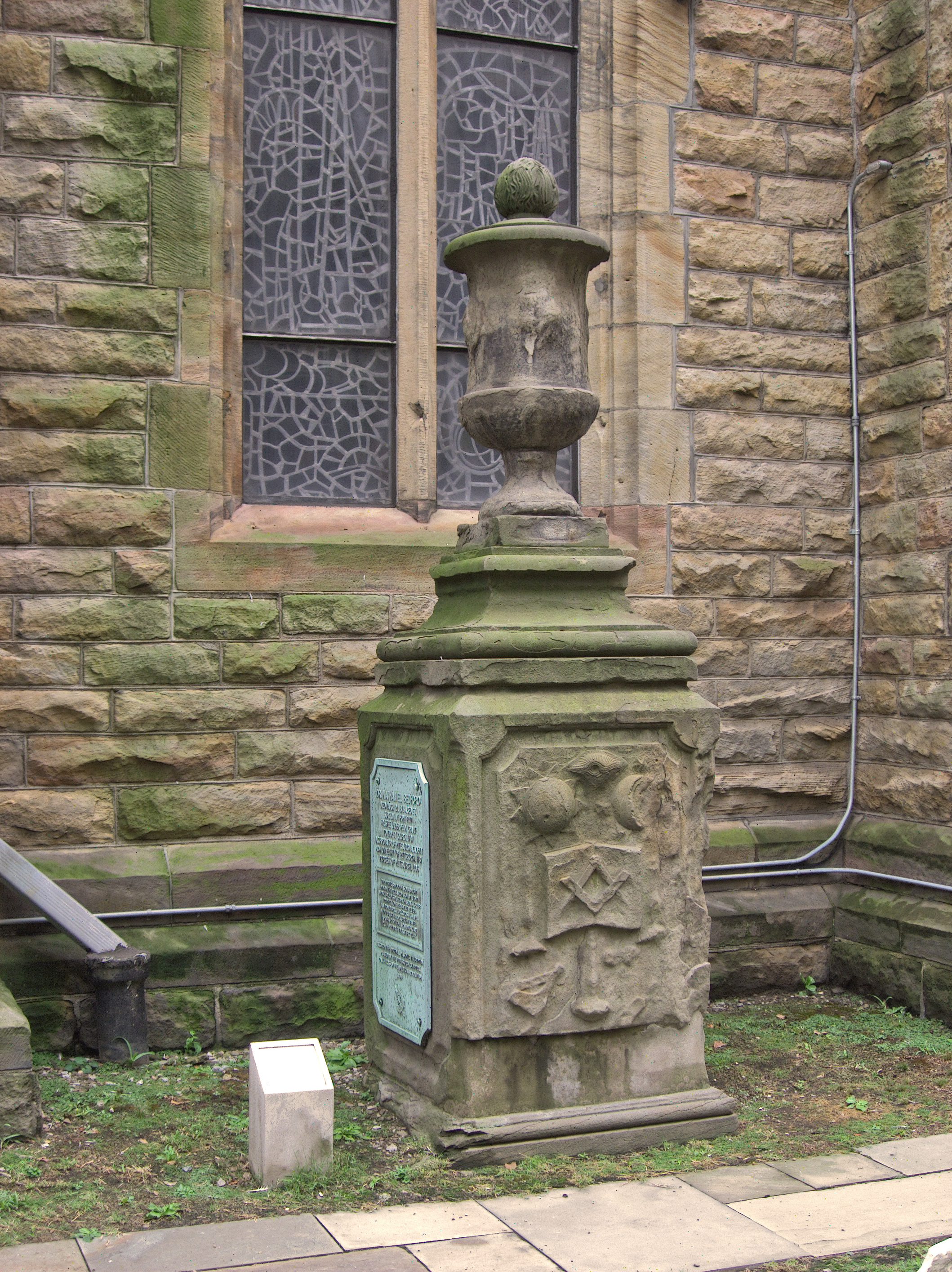
Dr. Nathaniel Bedford was the first physician in Pittsburgh. He came with the British to Fort Pitt and stayed. Here are two paragraphs from the Standard History of Pittsburg, Pennsylvania (1898):
Shortly after 1770 Dr. Nathaniel Bedford, surgeon in the British Army, resigned his commission and took up his permanent residence in the town, being attracted by the wonderful beauty of the place before the iron hand of Industry had stripped the verdure from the hills, seamed and scarred the lovely bosom of the earth, defiled the sparkling waters and spread a sooty pall across the sky.
Dr. Bedford was a man of polished manners, thoroughly educated in his profession, as his commission in the British Army attested, and of scholarly habits. His success was rapid and complete and he accumulated a modest fortune in the form of several tracts of land on the south side of the Monongahela, now within the city limits. Shortly after the beginning of the present [nineteenth] century he retired from practice. In the city directory of 1815 his name appears as “Nathaniel Bedford, gentleman, Birmingham.” He never married [this is incorrect; see below], and after his death the Freemasons, of which fraternity he was a prominent member, erected a monument to his memory in the form of an iron urn, which still stands, or did until recently, on the hillside immediately under the track of the South Twelfth Street Inclined Railway.
The assertion that Dr. Bedford never married is incorrect, He married very well indeed: his wife was Jane Ormsby, heiress of the Ormsby family, and through her inherited the land that became the town of Birmingham—named for Birmingham in England, near which Dr. Bedford was born. In other words, Dr. Bedford owned the South Side, or at least the part of it out to 17th Street, where an awkward kink in the street grid and the sudden broadening of Carson Street mark the beginning of the former separate borough of East Birmingham. Dr. Bedford and his wife had no children, however, and it was his Masonic lodge that erected this memorial when Dr. Bedford died in 1818. He was probably buried under it, in a spot that would have been verdant and semi-rural in 1818, but rapidly developed into one of the most crowded neighborhoods in the city of Pittsburgh. The monument stood neglected under the Knoxville (or South Twelfth Street) Incline until 1901, when the Pennsylvania Railroad needed the land. Then the dilapidated monument was moved here to Trinity Churchyard, probably with the remains of Dr. Bedford (sources seem to differ on whether his remains were discovered).


These Masonic symbols in relief have eroded considerably, but are still recognizable.

A certain strain of romanticism is common in monuments of the 1800s, but few go to such extremes of romanticism as this. The profusion of vine-covered vines overwhelms the composition so much that at first it is hard to make any visual sense of the thing. How many different kinds of vines can you identify? Father Pitt finds at least passionflowers, morning glories, and ivy, and the top may be roses, although the erosion makes it hard to tell. If the enormous urn-flower at the foot end came from a vine, it was a vine that wants to eat you.
If there was ever an inscription, it is illegible now; but since the monument occupies a space in the Lewis family plot, we may presume that it belongs to some Lewis or other.


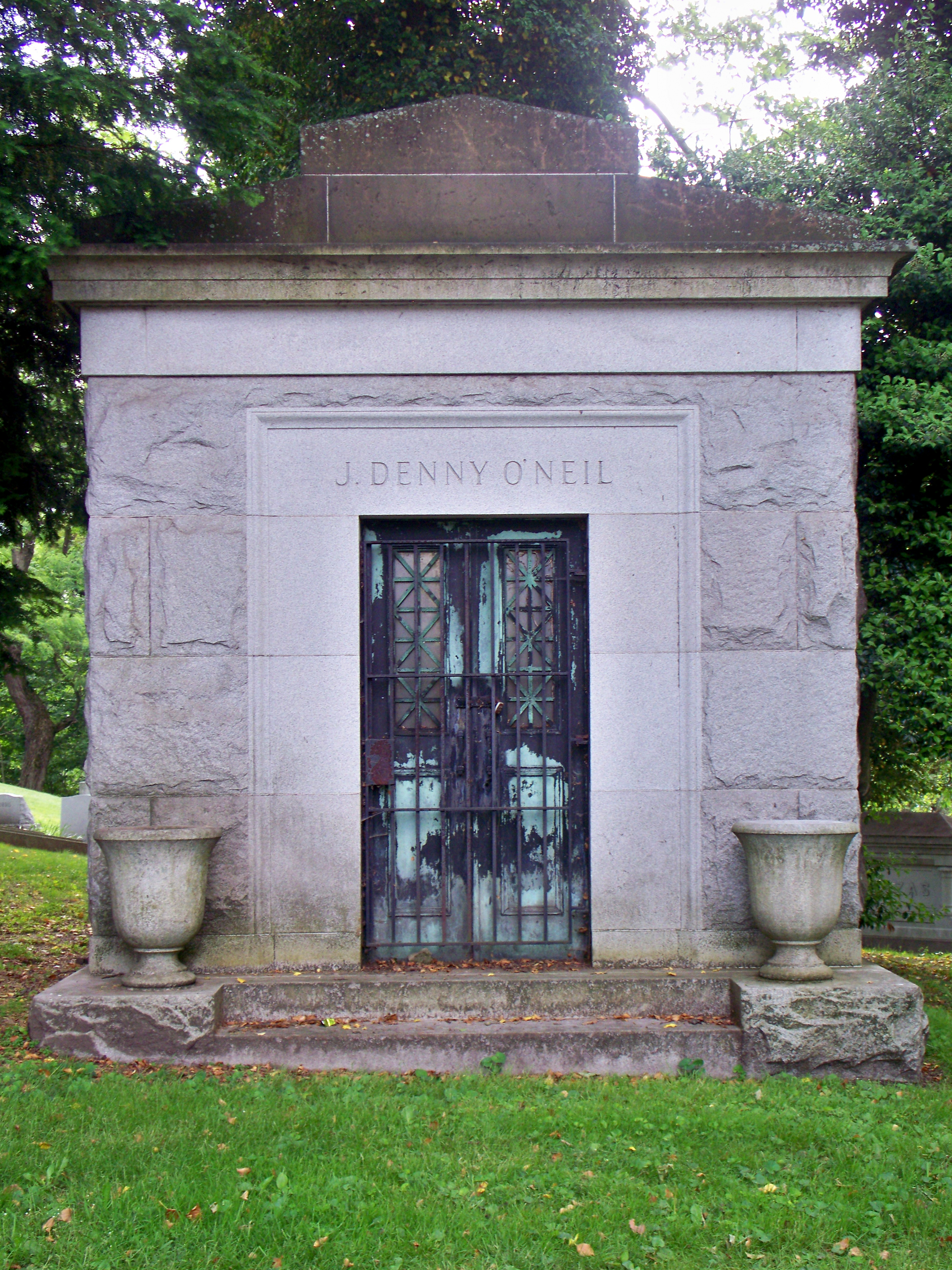
An unusual mausoleum in this unusual cemetery—unusual because its restrained modern-classical style would look at home in other Pittsburgh-area cemeteries, whereas most of the mausoleums here are noticeably different from any standard Pittsburgh style. Cemetery records list a James D. O’Neil (who must be the “J. Denny” of the inscription) as the first interment here; he died in 1915, so that is probably about the date of this mausoleum.