



The Art and Architecture of Death

The last resting place of many a robber baron who had lived in the millionaires’ havens of the East End.

A typical Doric cube of the early twentieth century. The stained glass is rather good. Charles A. Brooks was interred here in 1906, and Anna Cloyde Woodward Brooks in 1931; according to cemetery records, they are the only residents.


A tasteful Art Deco stele with a flame pattern from the middle twentieth century.

A standard Egyptian-style mausoleum with lotus-flower bronze doors and a matching stained-glass window.


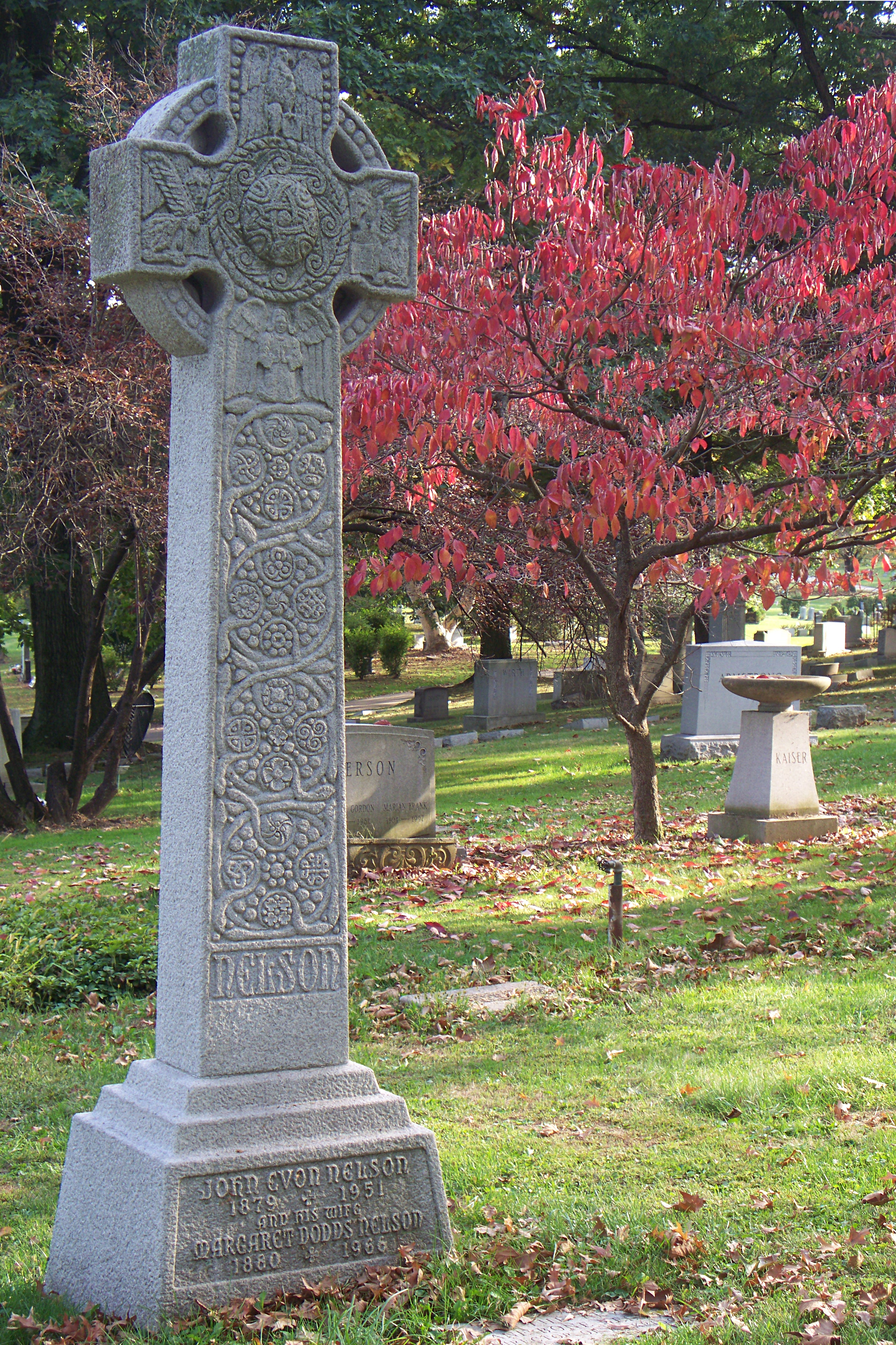
An ornate Celtic cross, probably put up in 1951 when John Evon Nelson died. Celtic crosses became popular in the late 1800s, promoted especially by the Tiffany Glass & Decorating Co., and they have remained a popular niche item ever since.

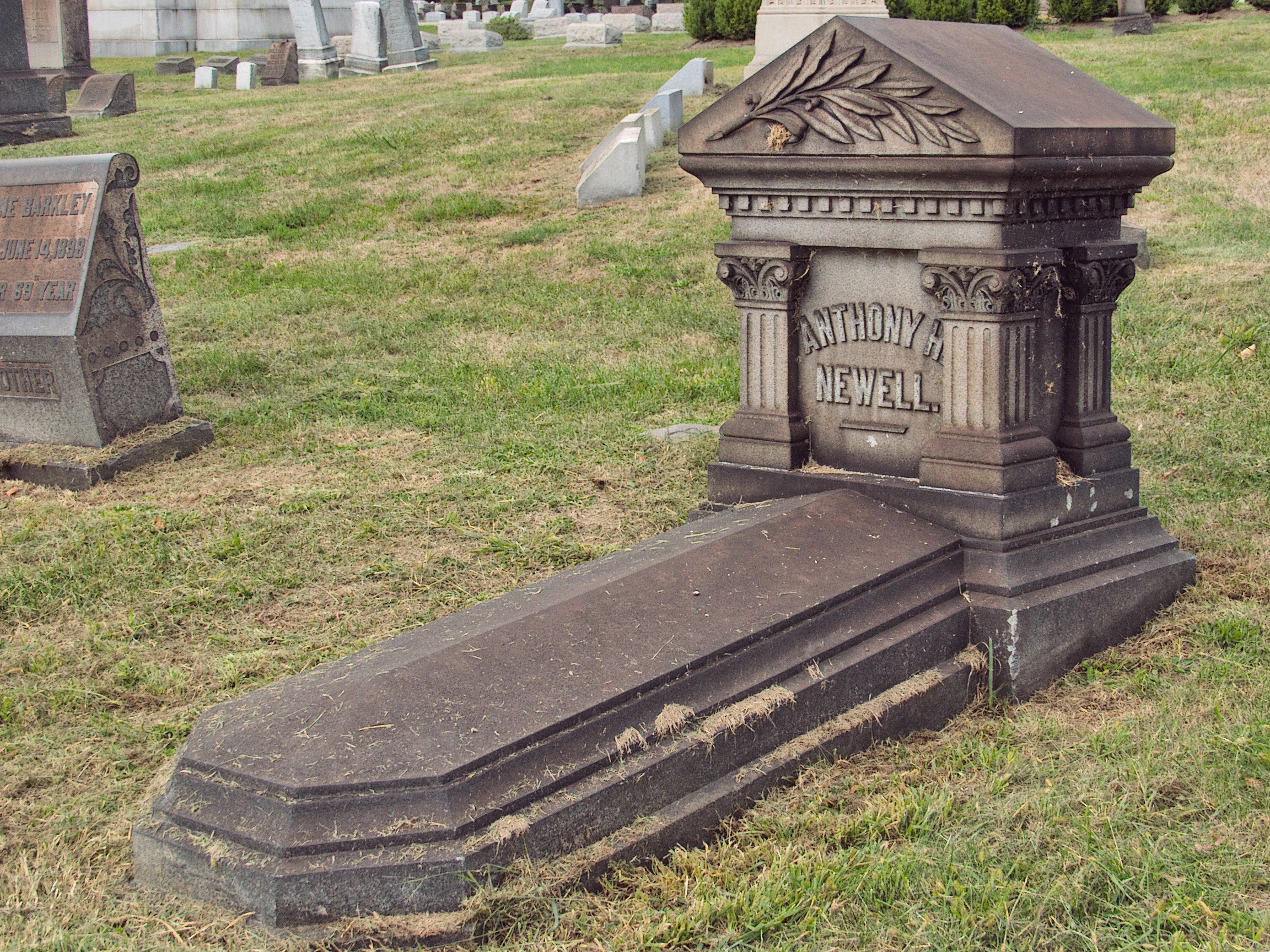
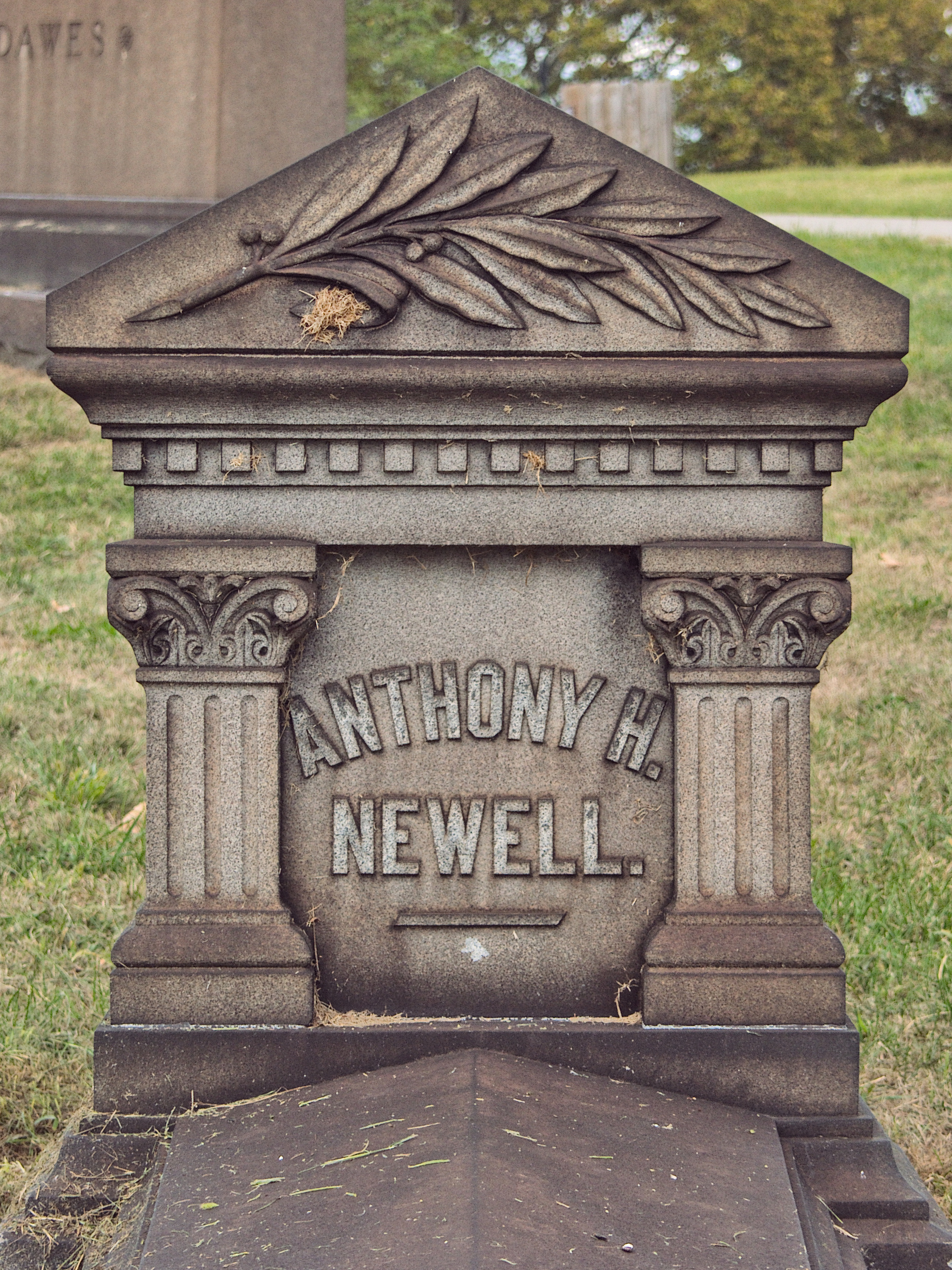
An unusual design: a full-length grave with a kind of miniature Corinthian temple as the headstone.


An exceptional Gothic monument with beautiful foliage-and-flower reliefs. The inscription is also exceptional, with a wide variety of different lettering styles.


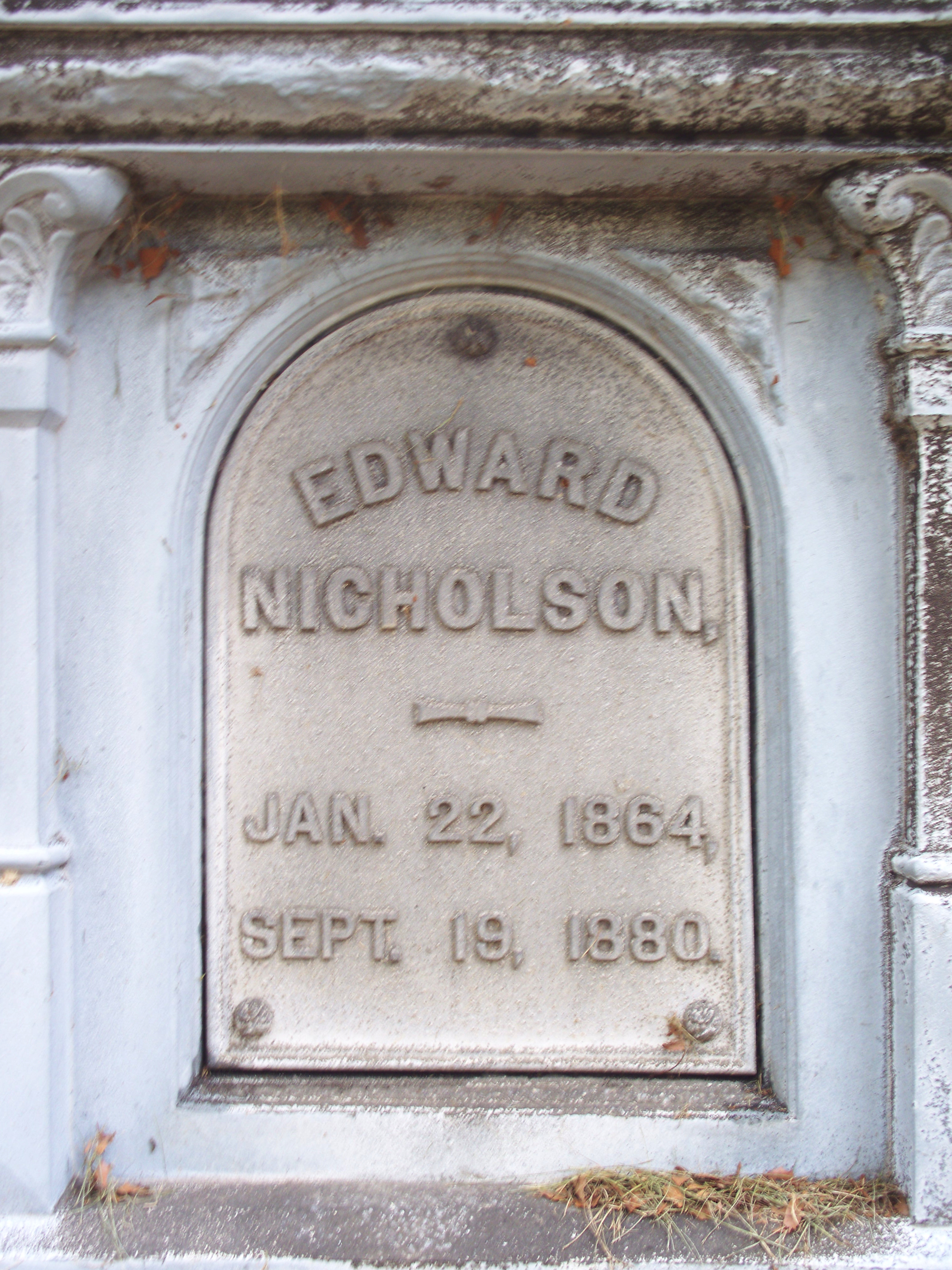
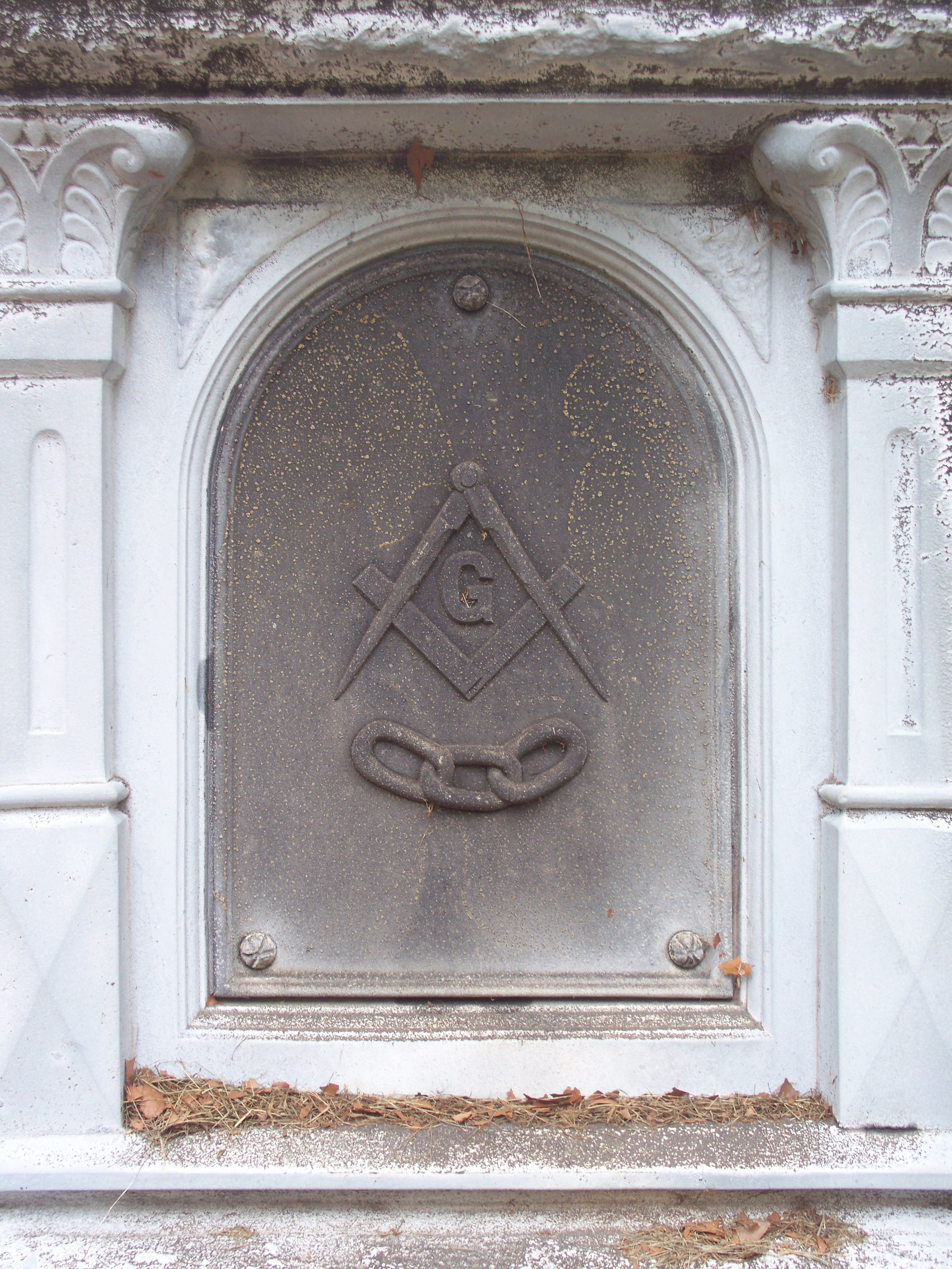
There may be others, but this is the only zinc monument old Pa Pitt can remember finding in the Homewood Cemetery. Zinc monuments were prohibited in many high-class cemeteries, but sometimes people sneaked them in anyway.



“Youth and Age at the Tree of Life” is the title of this relief. It is rare to find a work of art with a title in a cemetery; we wish the artist had signed it as well.

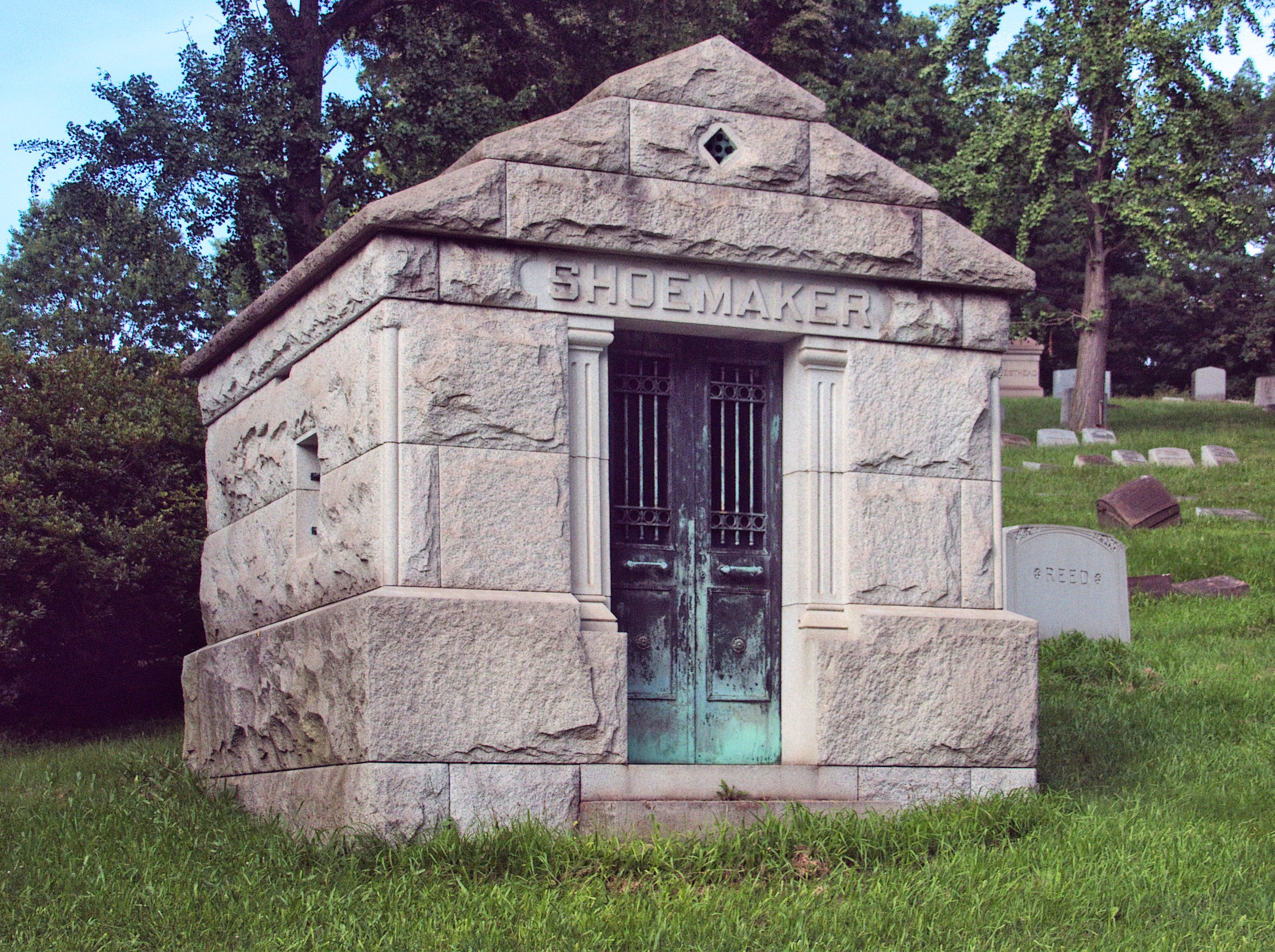
A very simple rustic design with a snatch of classical detailing. It is attractive and dignified, so Father Pitt hopes it will not be taken as insulting when he says that it looks a bit like a garden shed.