Pittsburgh Cemeteries

The Art and Architecture of Death

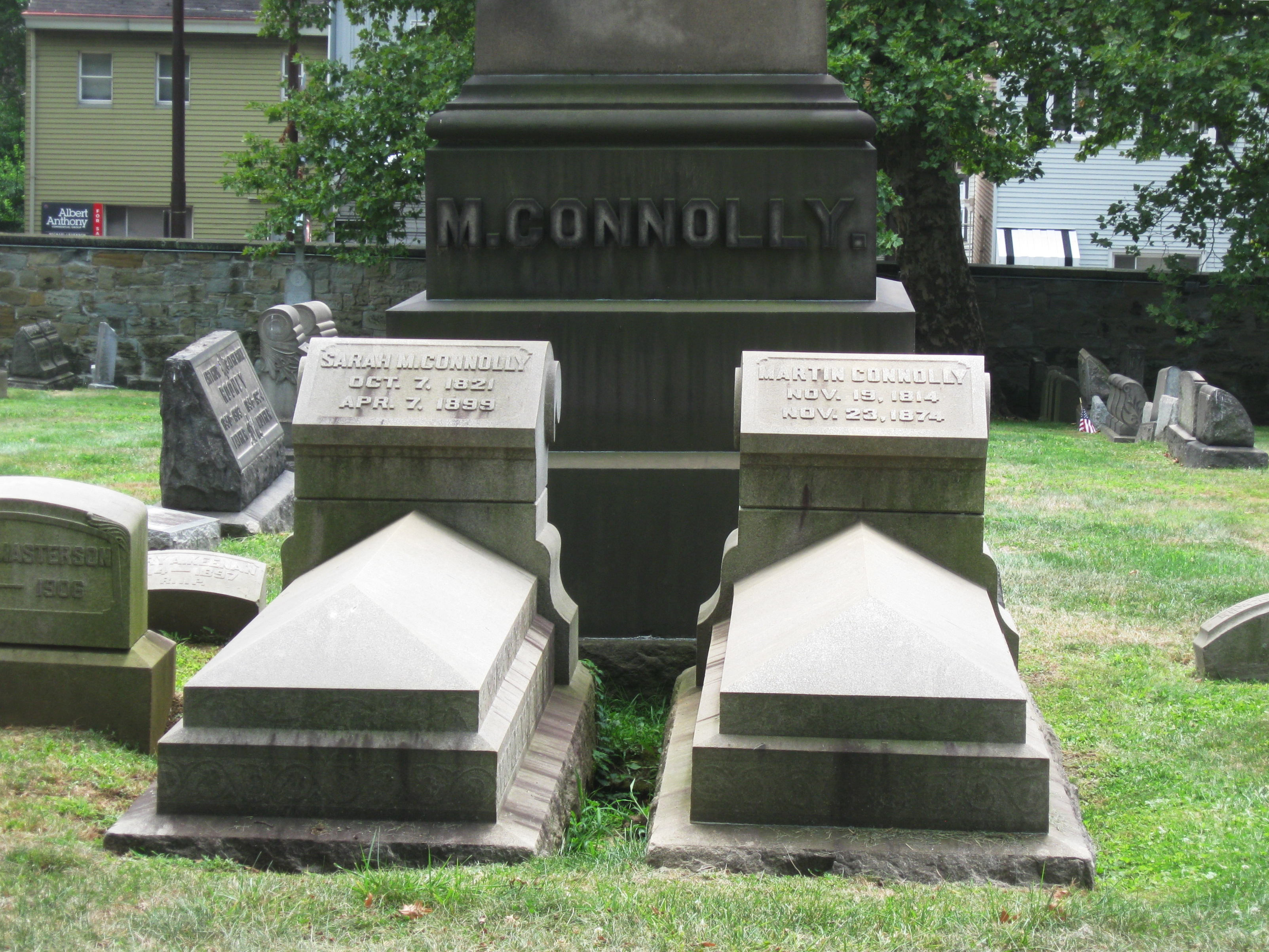
It is common in Catholic cemeteries to see a monument that in all other respects would be called an obelisk, but that terminates in a cross instead of a point. Obelisks in Catholic cemeteries are seldom left without some Christianizing symbol to exorcise the demons of paganism. This one was probably put up in 1874, when Martin Connolly died.

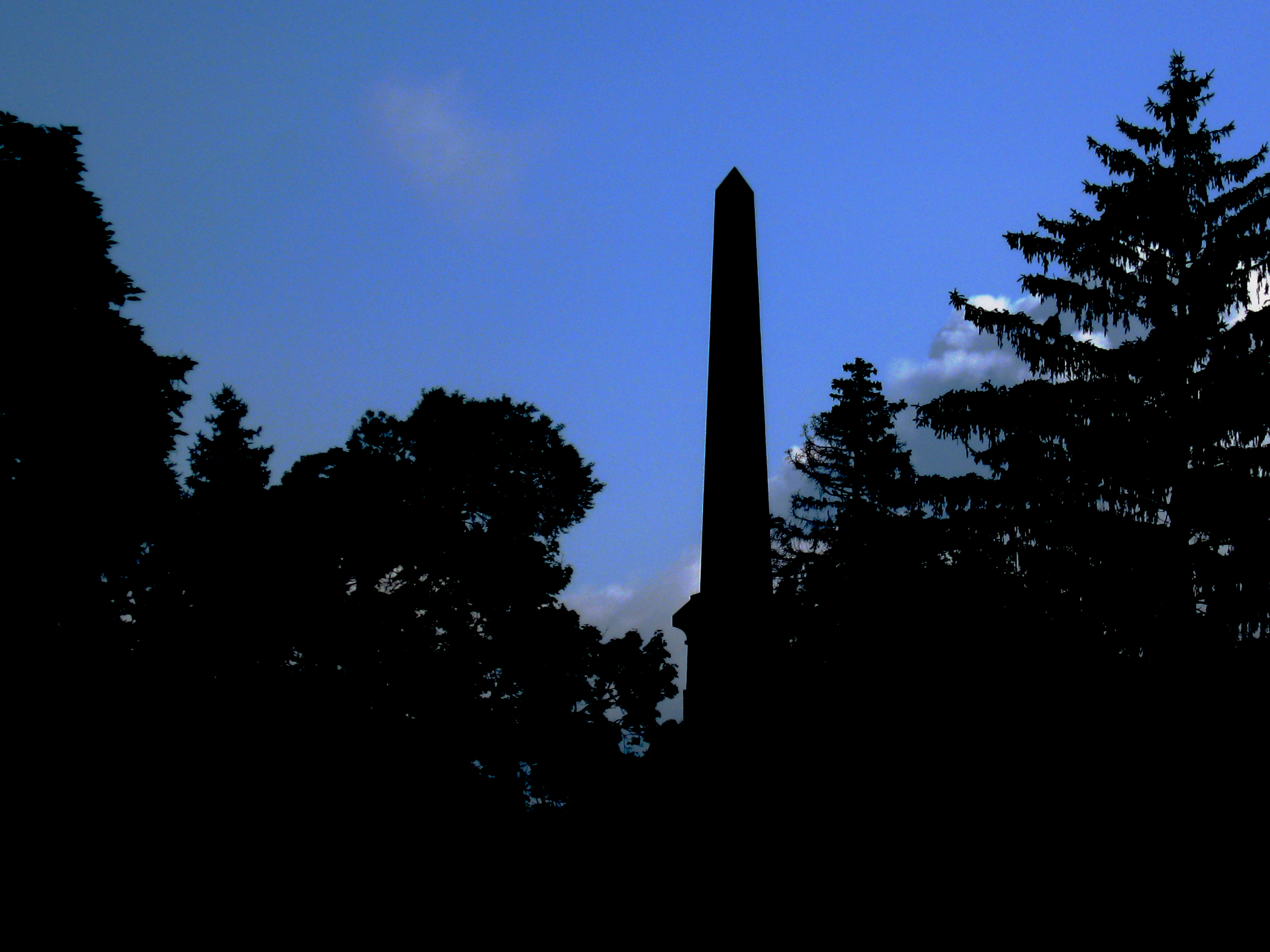
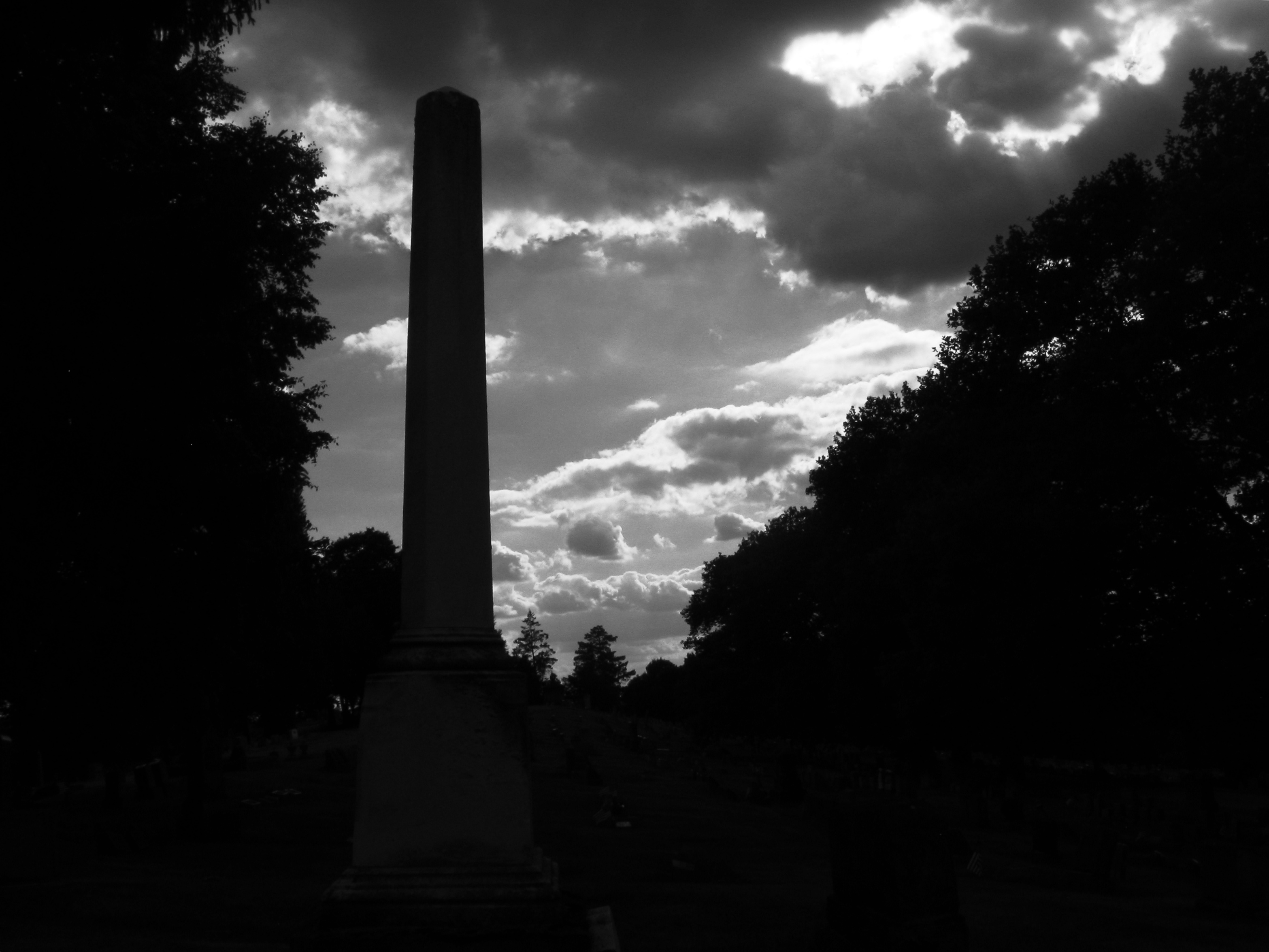
Silhouetted against a morning sky, this obelisk marks the Blum family plot in the oldest part of the cemetery.

Should we call this a fat obelisk or a thin stele? Either way, it serves its function of making the graves of Mr. and Mrs. Haas easy to find. The foliage decoration is notable.

Since this is a Catholic cemetery, the obelisk has a cross on it; we seldom find an obelisk in a Catholic cemetery without this explicit depaganization.

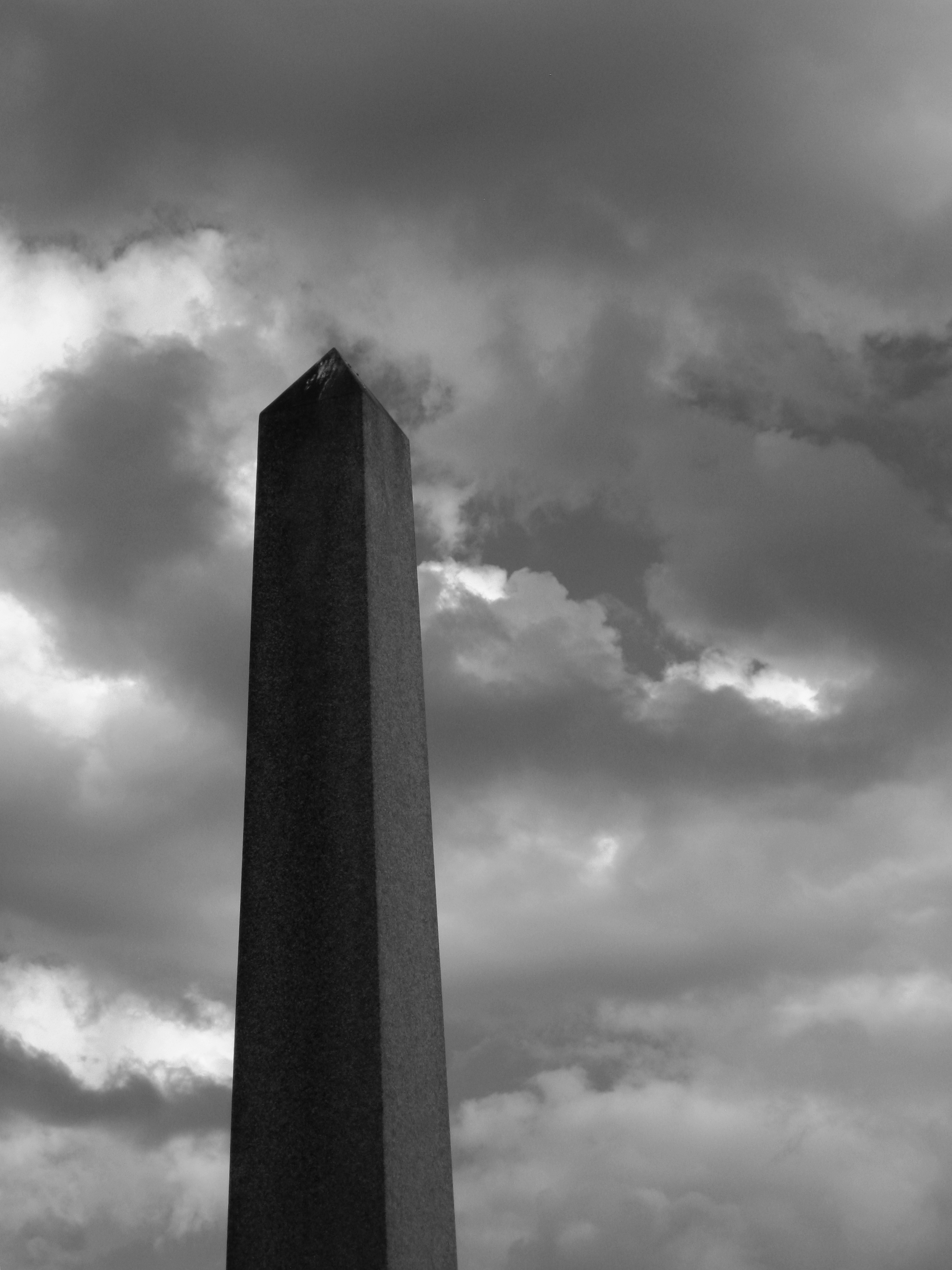
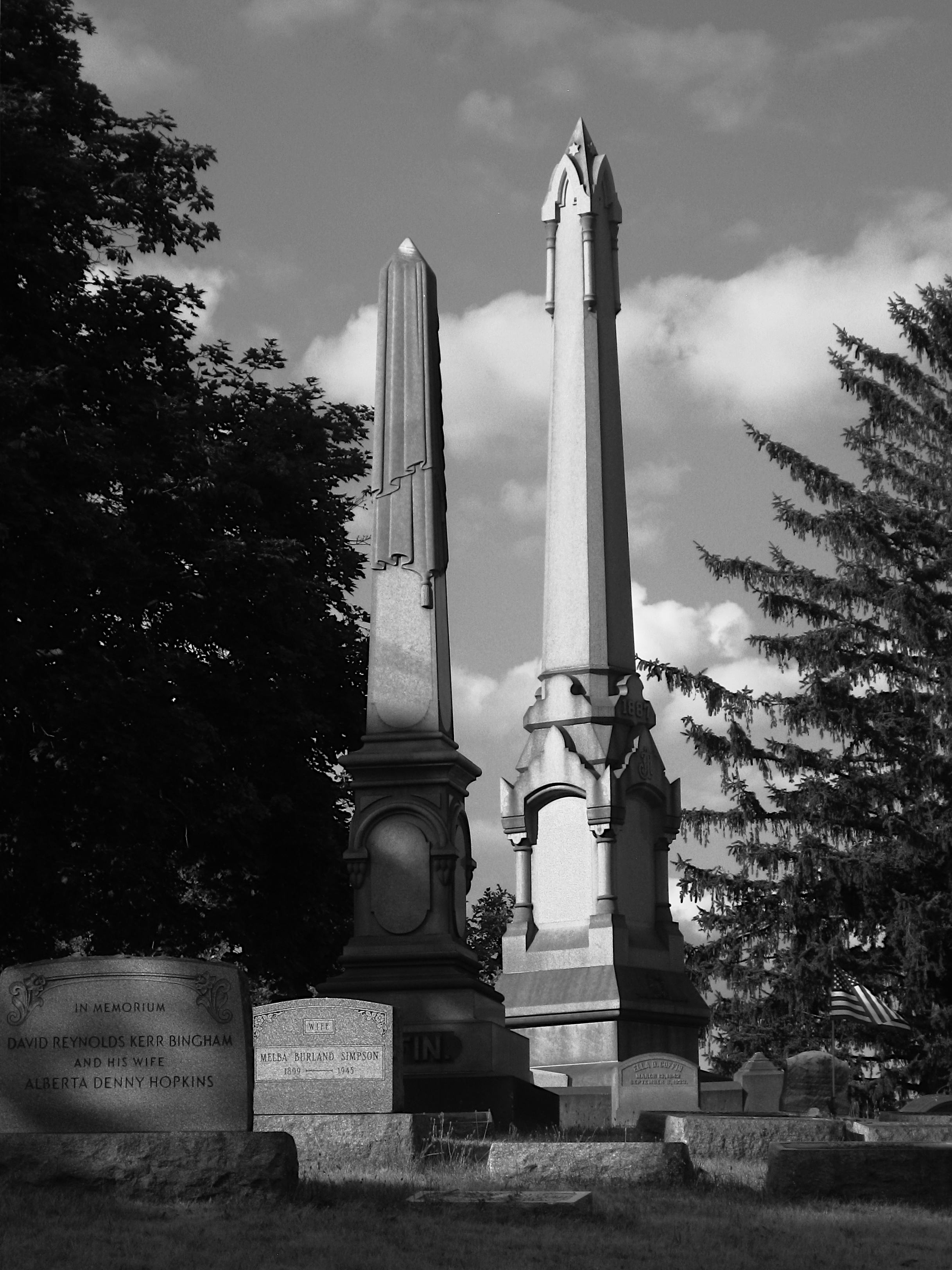
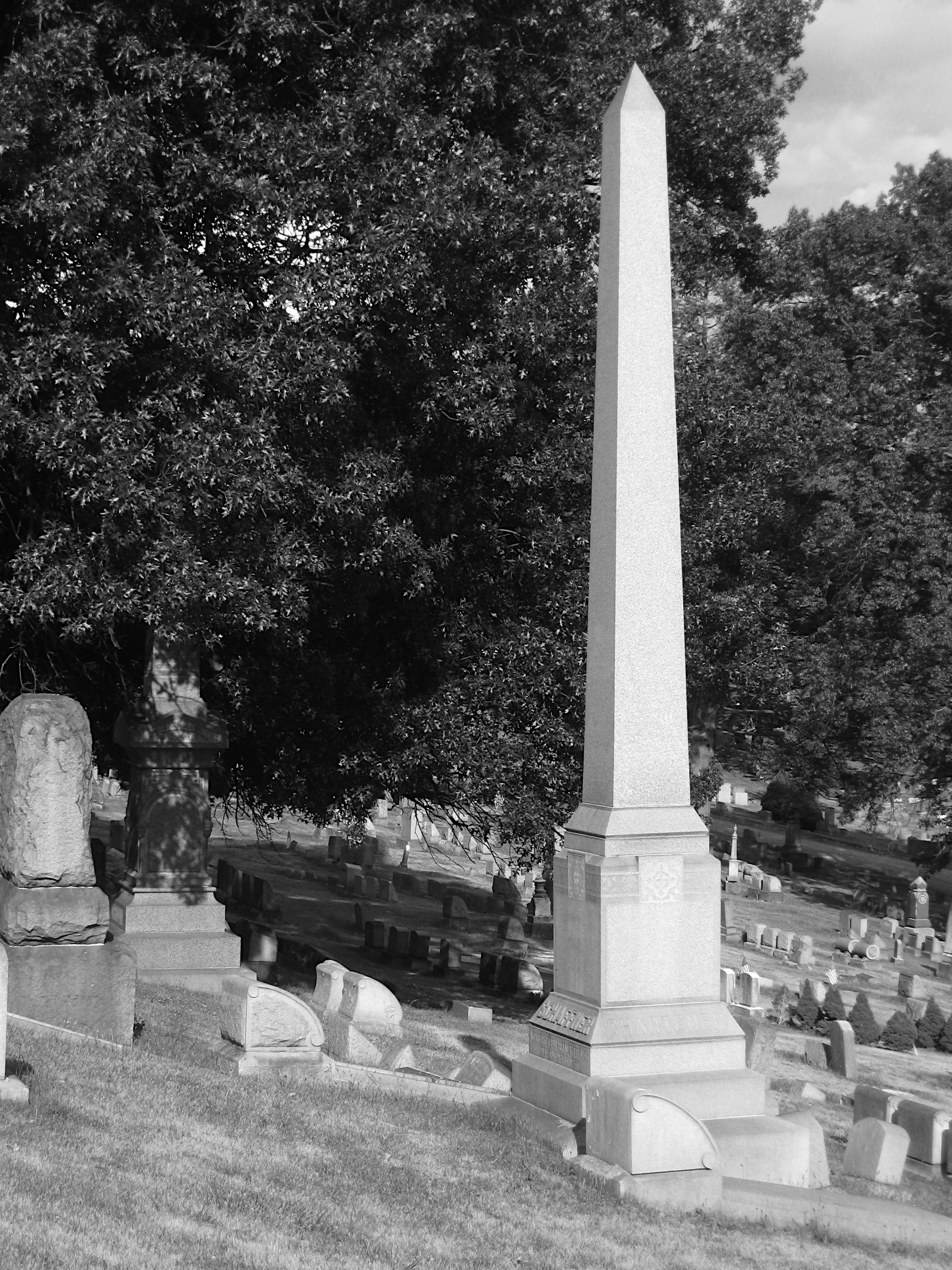
An album of black-and-white pictures of obelisks.

Hidden on the left side of the cathedral is a narrow arm of the churchyard with a few old monuments, with the massive bulk of the Oliver Building towering over them. Most people who visit Trinity Churchyard never find their way to this side of it, but it’s worth a few moments of contemplation.

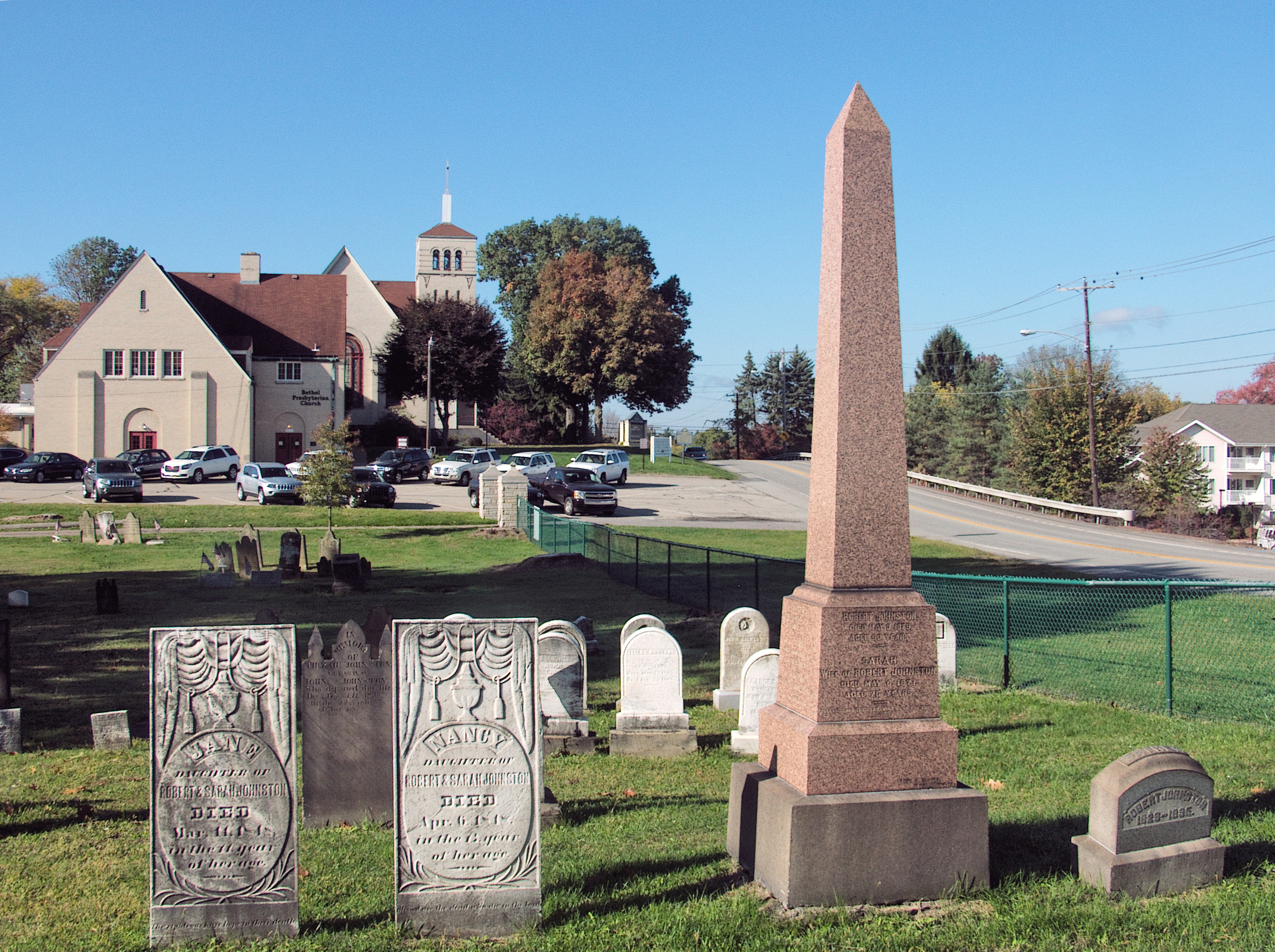
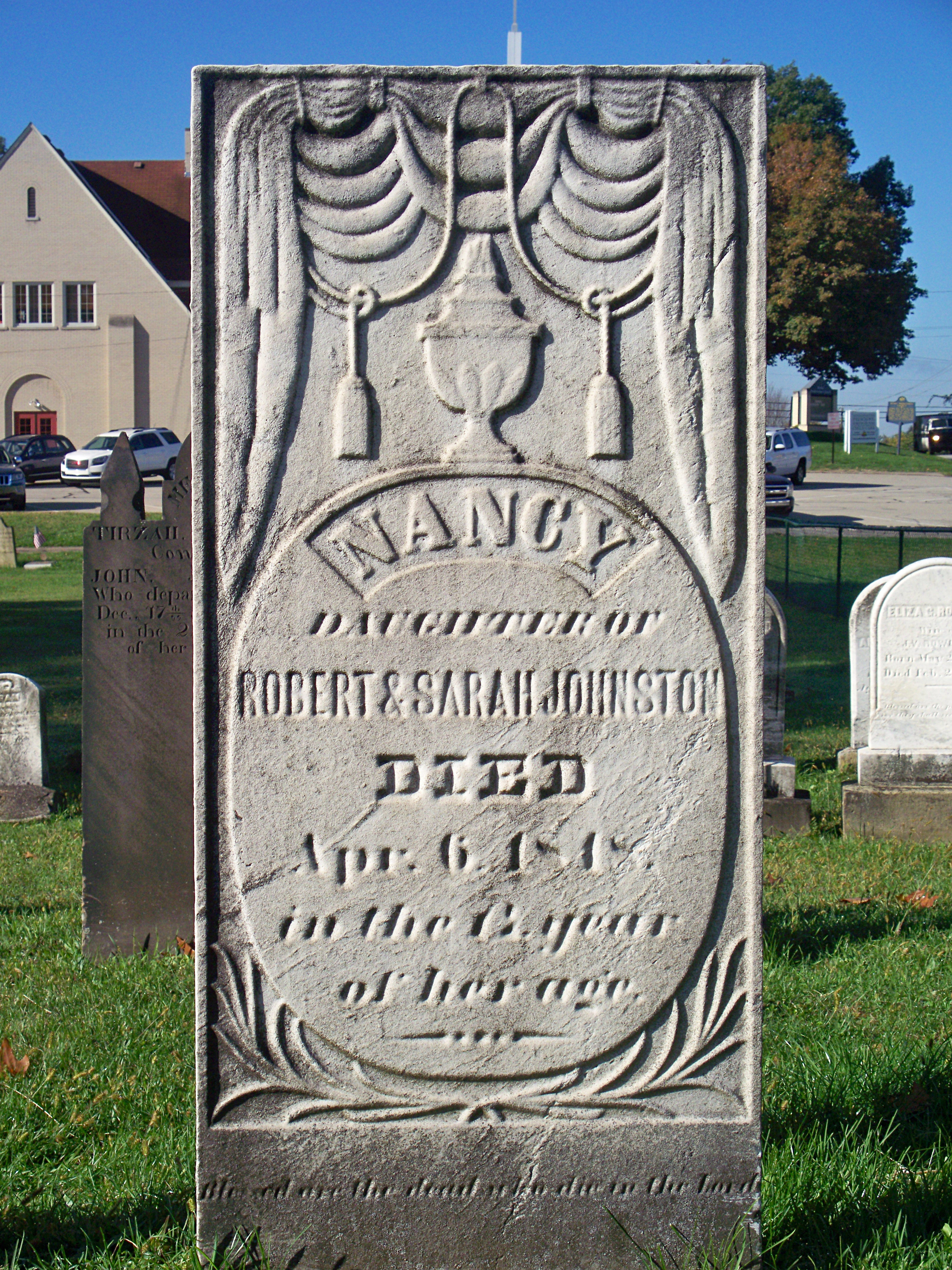
Robert and Sarah Johnston had two daughters who died within weeks of each other in 1848, doubtless of the same disease. Each was given a splendid tombstone in the engraved-title-page style that was popular for expensive tombstones in the 1840s.

Robert and Sarah themselves got this rich pink obelisk. Their son Robert and his wife are buried next to them.

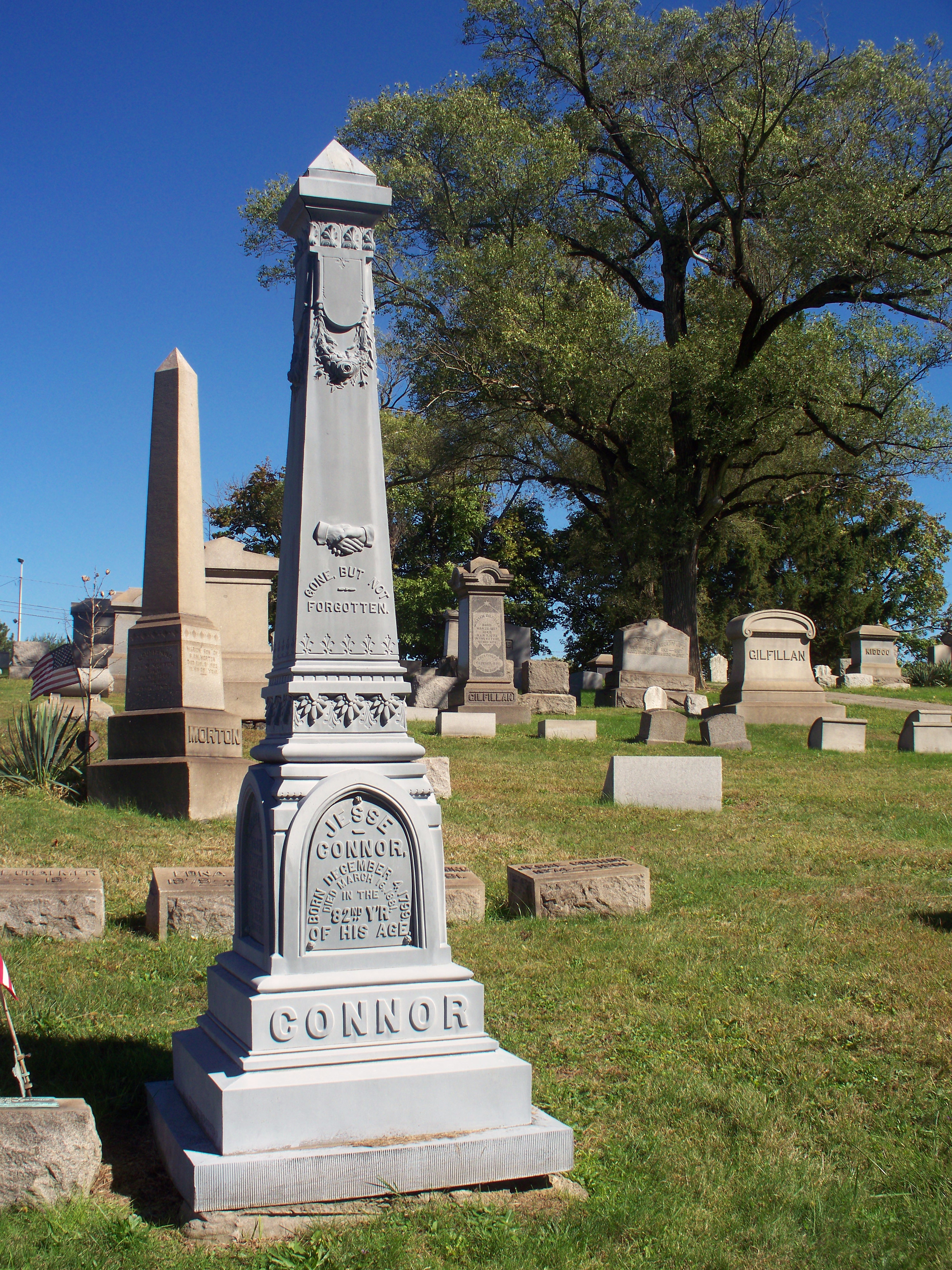
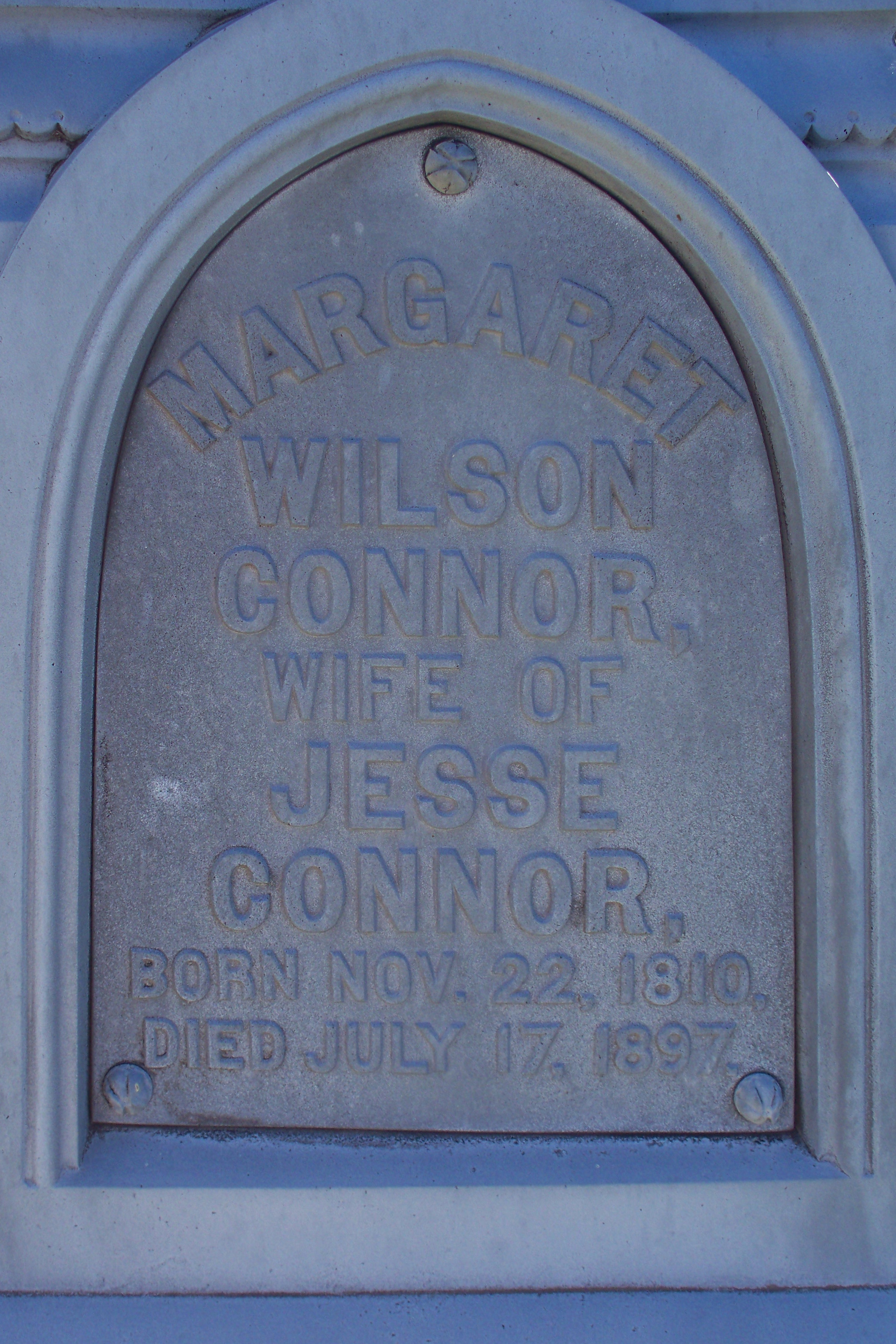
A particularly splendid zinc shaft, well preserved even by zinc standards. This is Style no. 234 from the Monumental Bronze Company.

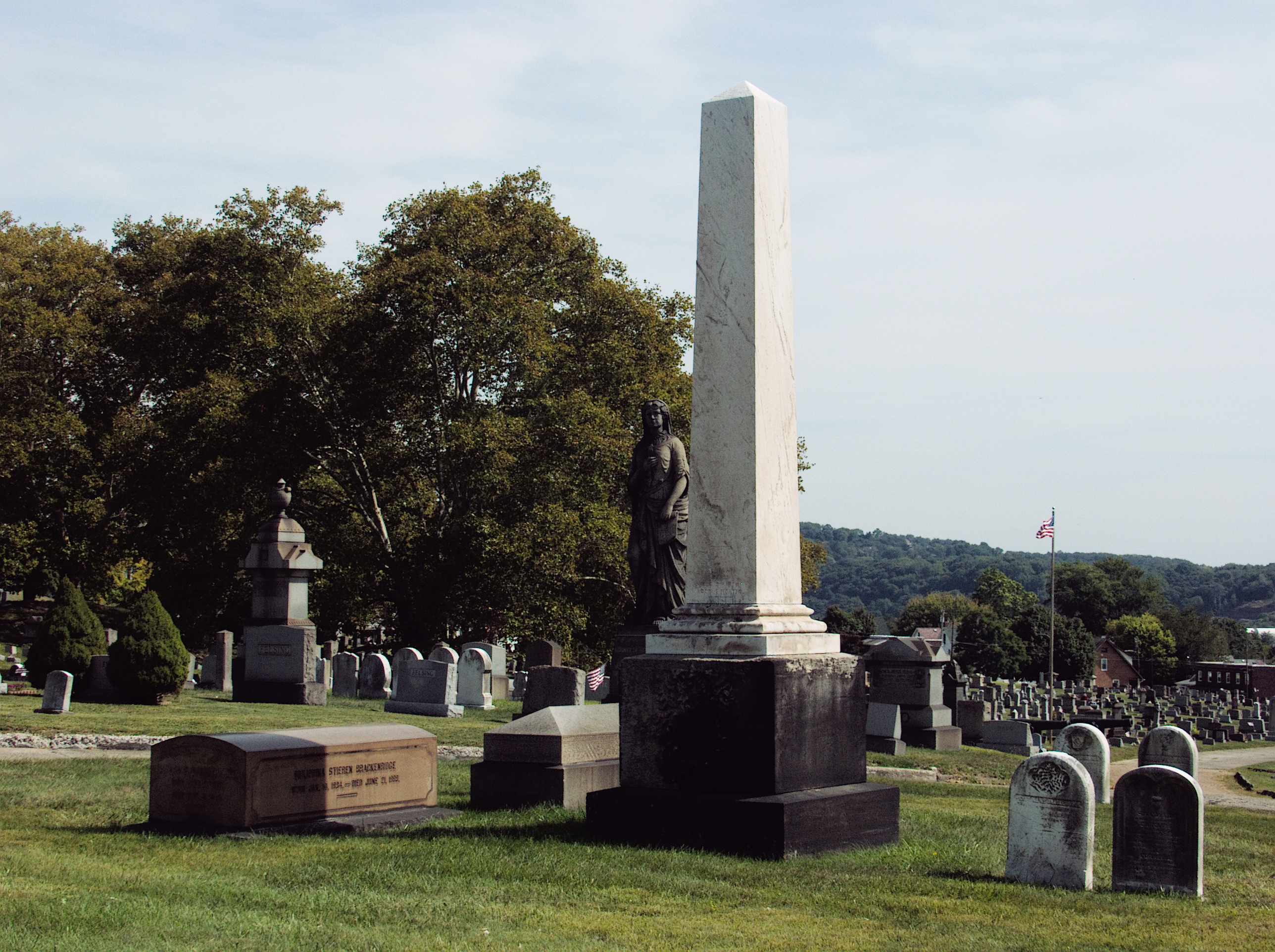
Henry Marie Brackenridge, son of the famous Hugh Henry Brackenridge, founded the borough of Brackenridge, and his family has an honored place in the middle of the circle at the entrance to Prospect Cemetery.
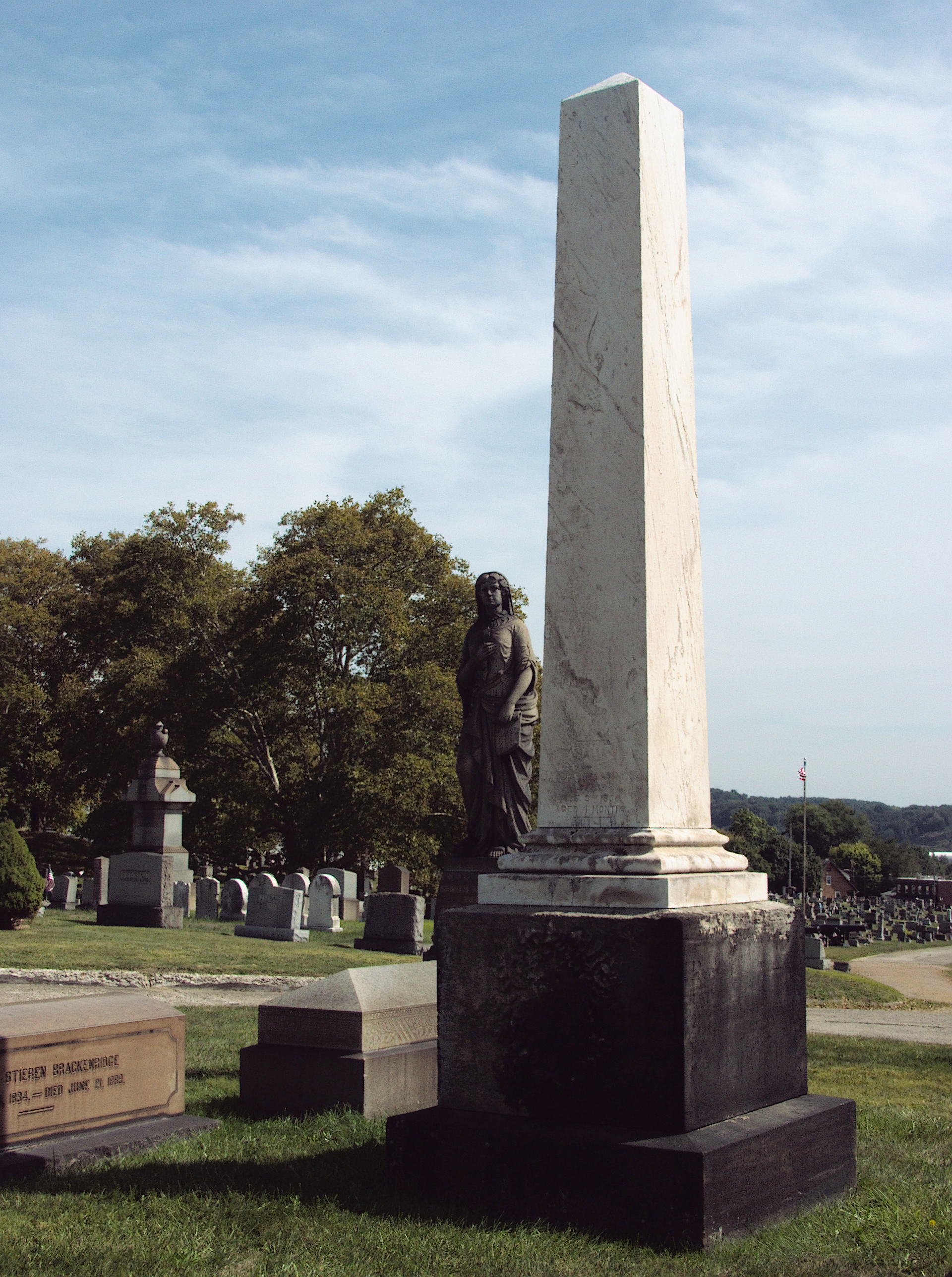
The obelisk once bore a number of inscriptions, but they are almost obliterated by time.

Henry Marie’s own grave is marked by a very modest headstone. Father Pitt was not able to read the epitaph, although it might be clearer in morning light.
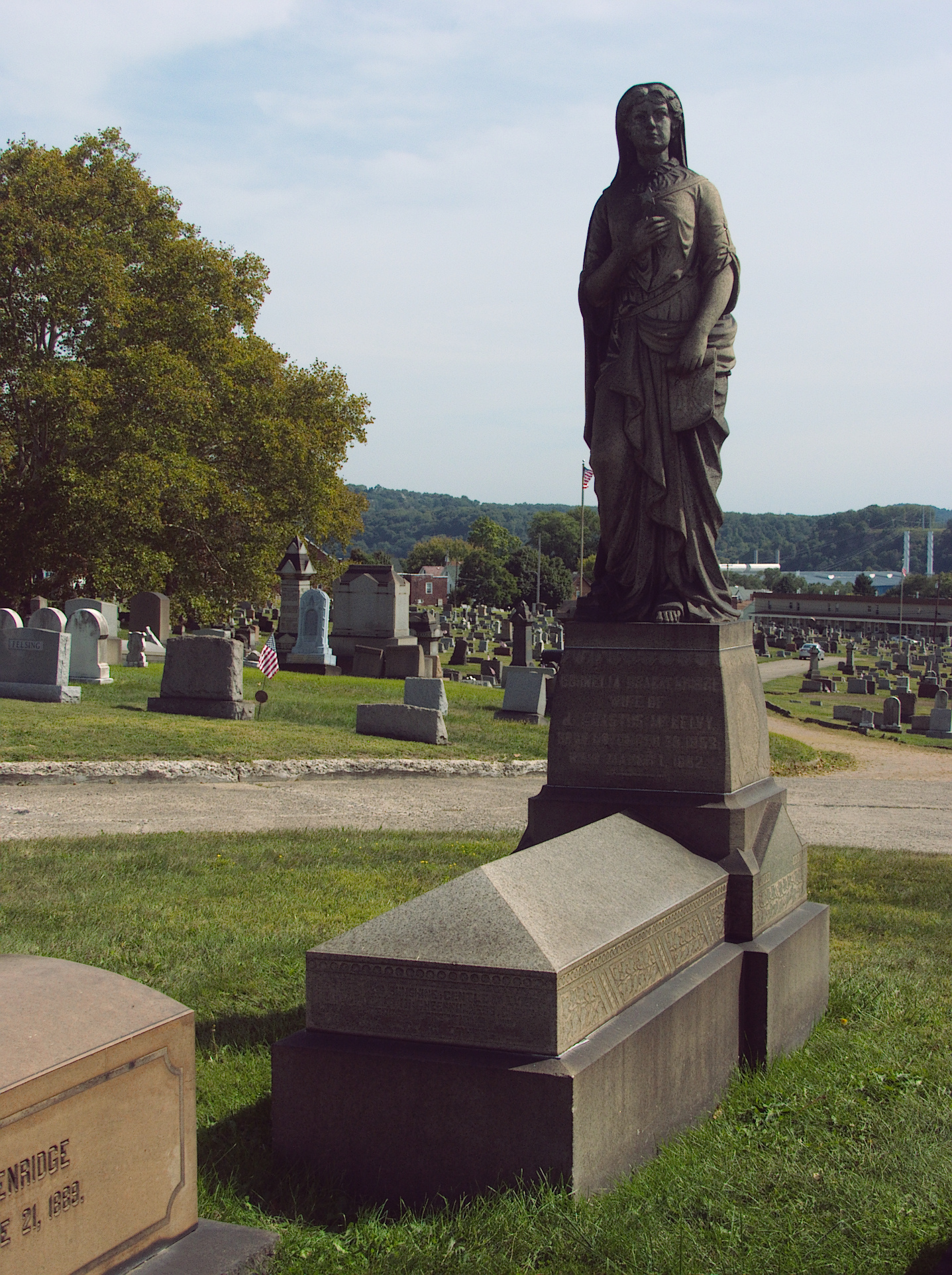
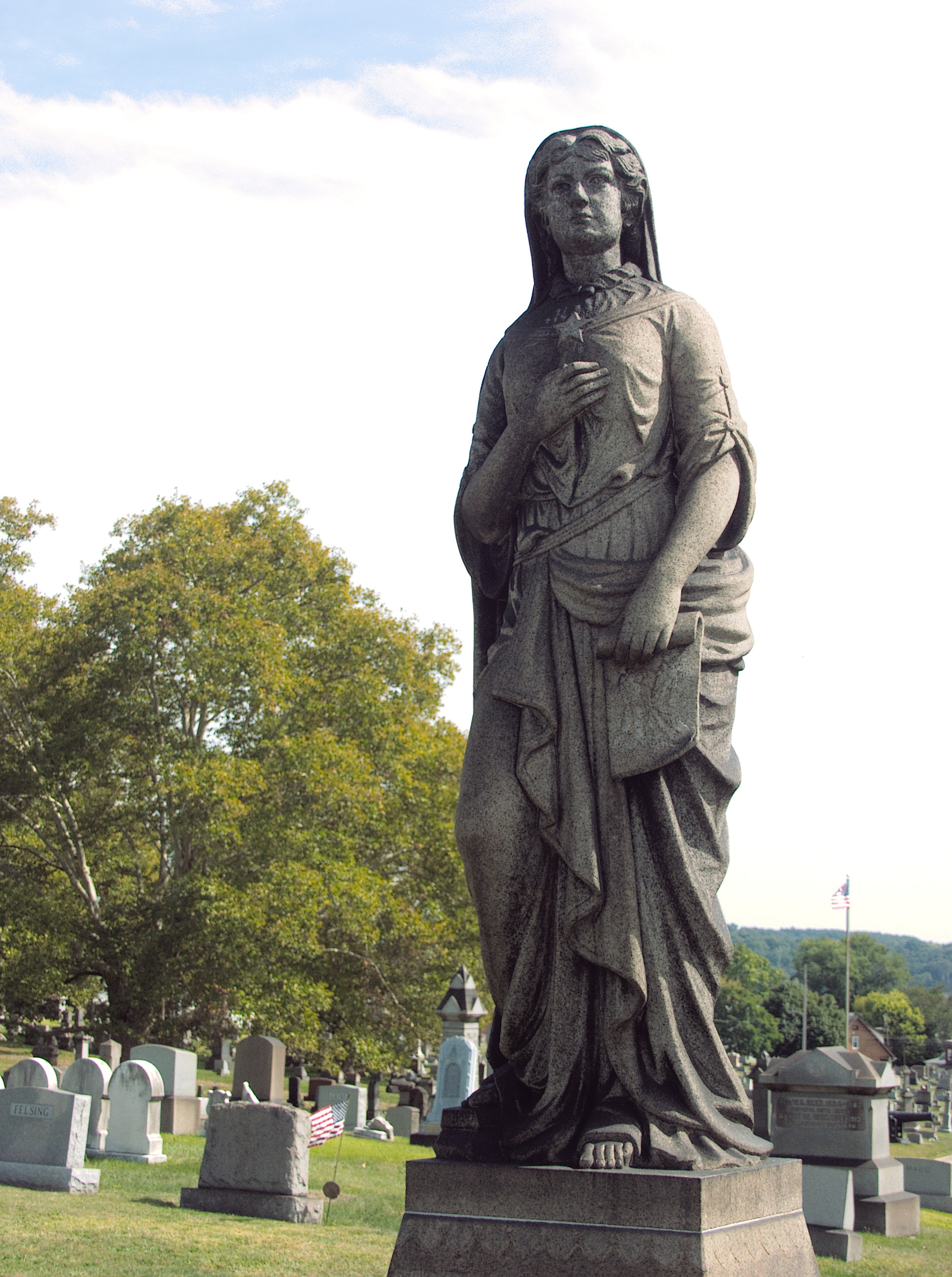
Cornelia Brackenridge McKelvy, on the other hand, who died in 1882 at the age of 29, has a very expensive grave with a life-size statue. Is it meant to be a portrait of the deceased?

A simple marble obelisk remembering William Rankin, who died in 1874. From the style, we would guess that the obelisk was erected about then.