Pittsburgh Cemeteries

The Art and Architecture of Death

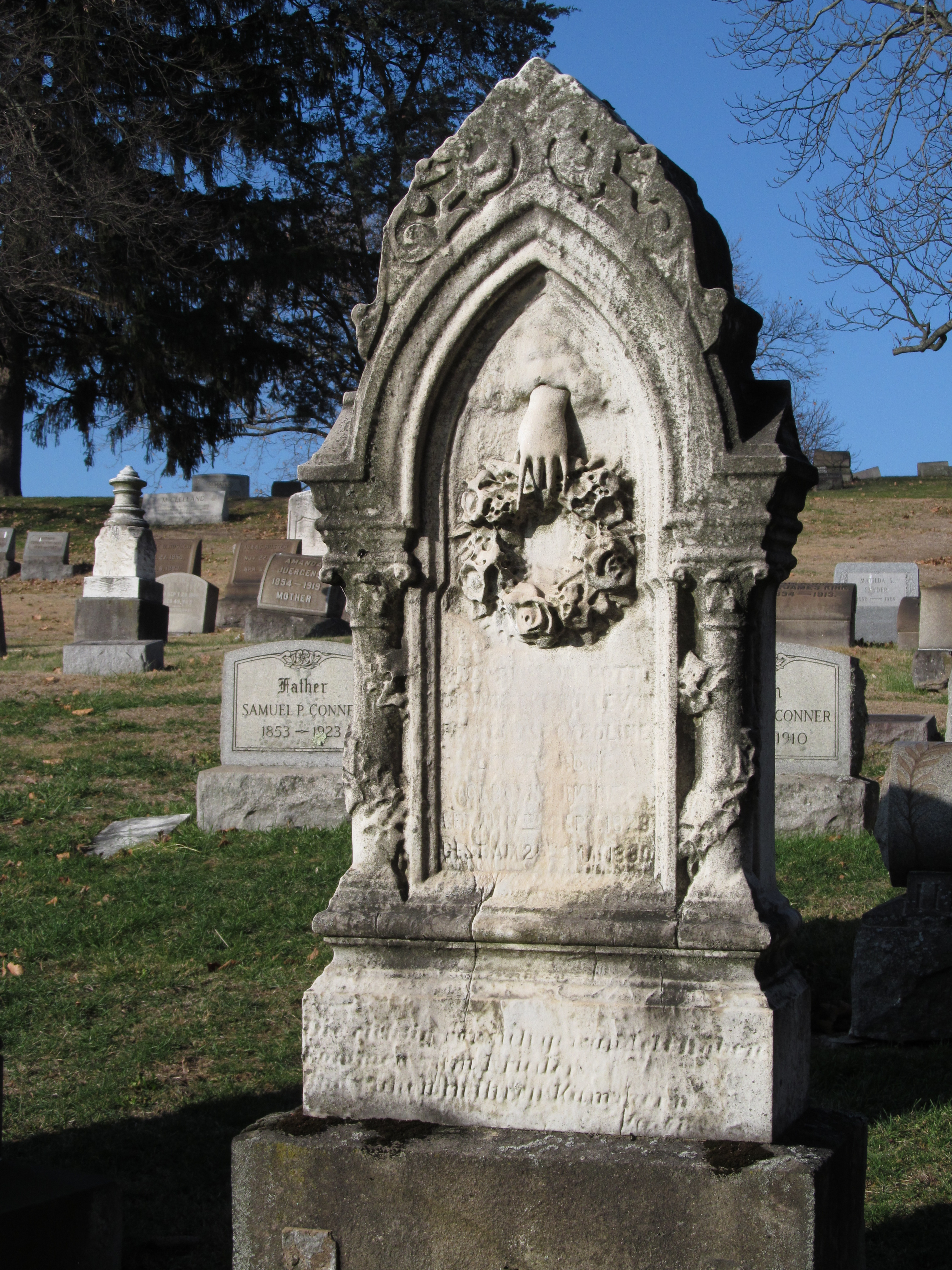
This still-splendid Gothic headstone has eroded to the point where the name is illegible, at least in this light. We can just make out “Hier ruhet in Gott” as the first line, and at the bottom a birth date of 1829 (or perhaps 1828) and a death date of 1880. On the base is an epitaph that might almost be legible in different light.
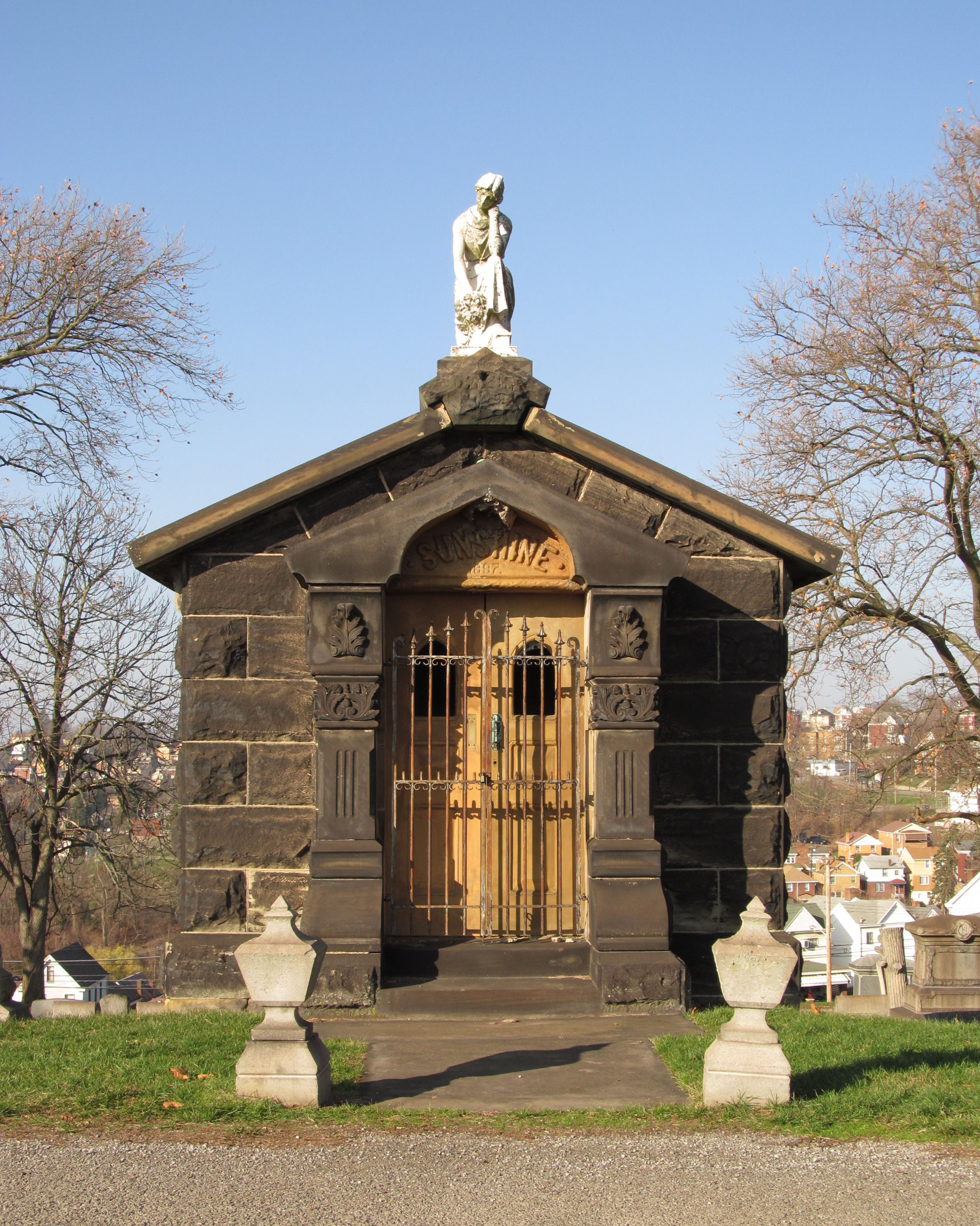
Golden winter sun illuminates the Sunshine mausoleum in the South Side Cemetery.

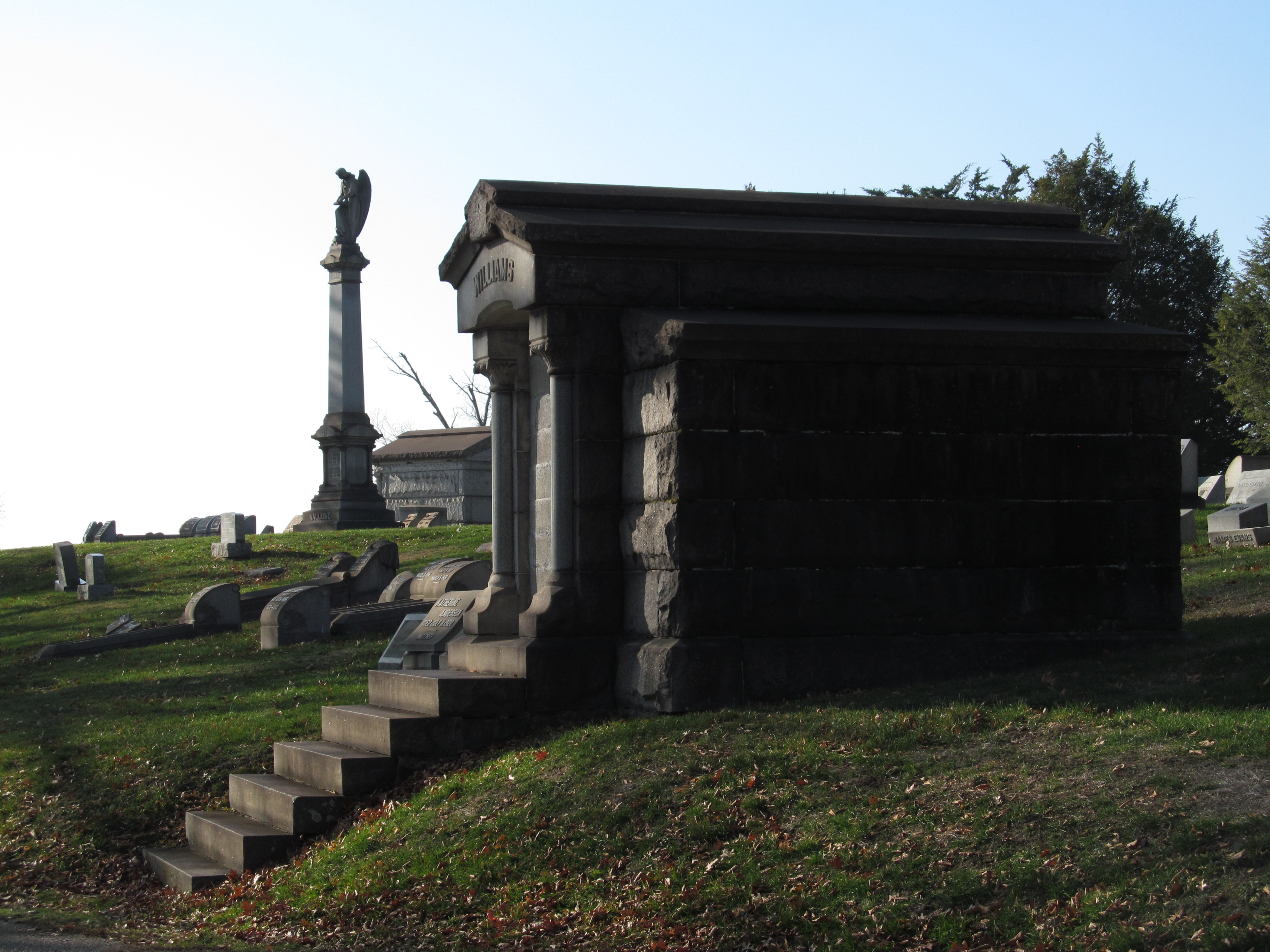
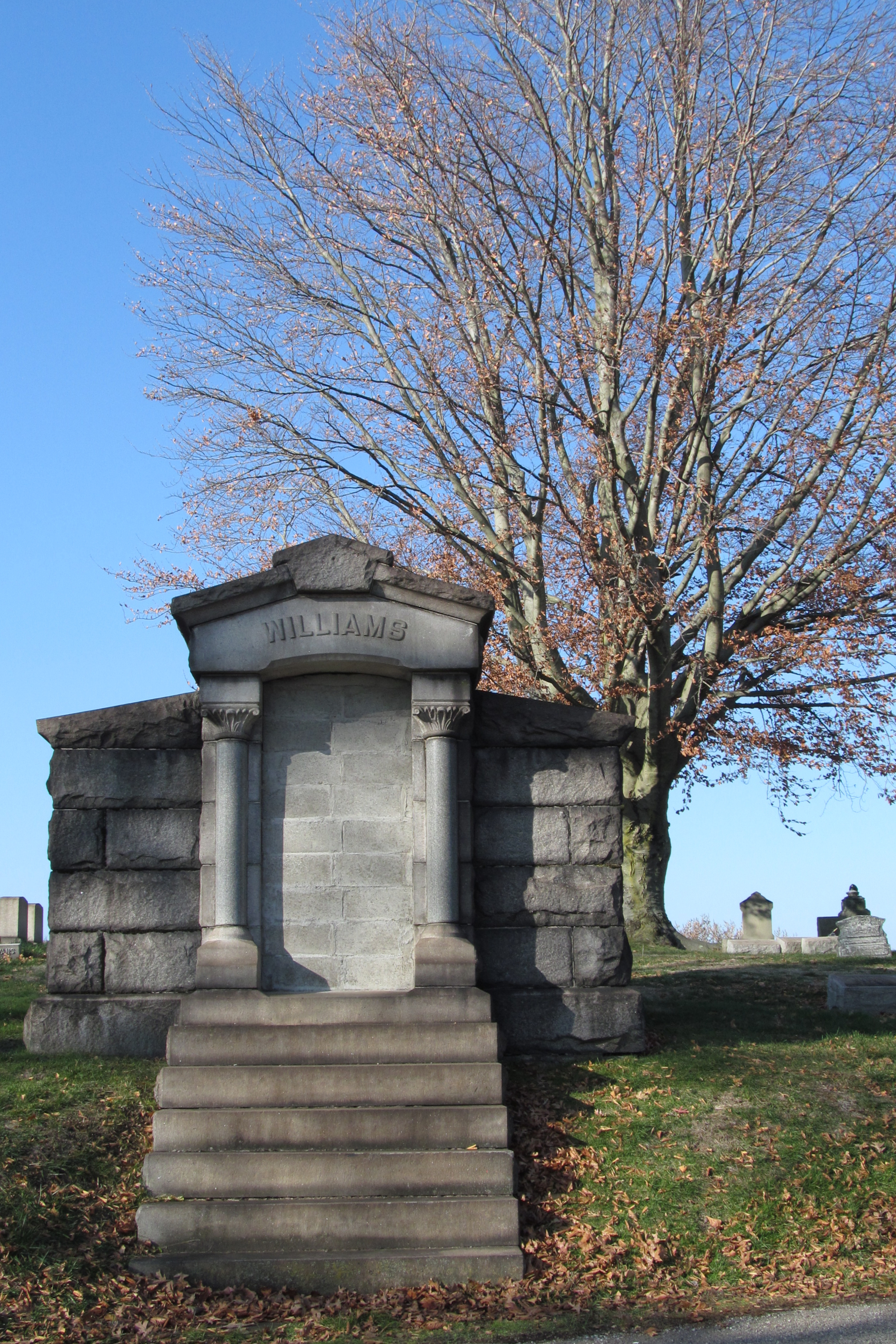
A large rustic mausoleum with medievalish columns. Like most mausoleums in this cemetery, it has lost its bronze doors, but unlike the others it has not been closed off with concrete blocks. It probably provides shelter for occasional homeless guests, and if old Pa Pitt had a mausoleum he would approve of that use.

An elegantly simple cube with rusticated stone blocks to add texture and shading. Unlike most of the mausoleums in this cemetery, this one has kept its bronze doors. One wonders whether the designer intended the shallow stepped roof as a subtle recollection of the Mausoleum at Halicarnassus.

A modest rustic temple with Doric columns. Like most mausoleums in the South Side Cemetery, it has lost its bronze doors, and the gap has been filled with concrete blocks.

Old Pa Pitt always wonders how much snickering there was at the monument dealer’s when this order came in. This is a typical Victorian obelisk with the dangerous pointy end heavily shrouded. Behind it is the even taller Adams obelisk.

This statue of a wreath-bearing mourner looks more contemplative as she weathers into abstraction.

Old Pa Pitt is going to call this style Romanesque because of the medieval columns, rusticated stone, and rounded lintel; but it is perhaps a bit of a mixed metaphor in style. Like most of the mausoleums in the unguarded South Side Cemetery, it has lost its bronze doors, which have been replaced with ugly concrete blocks.

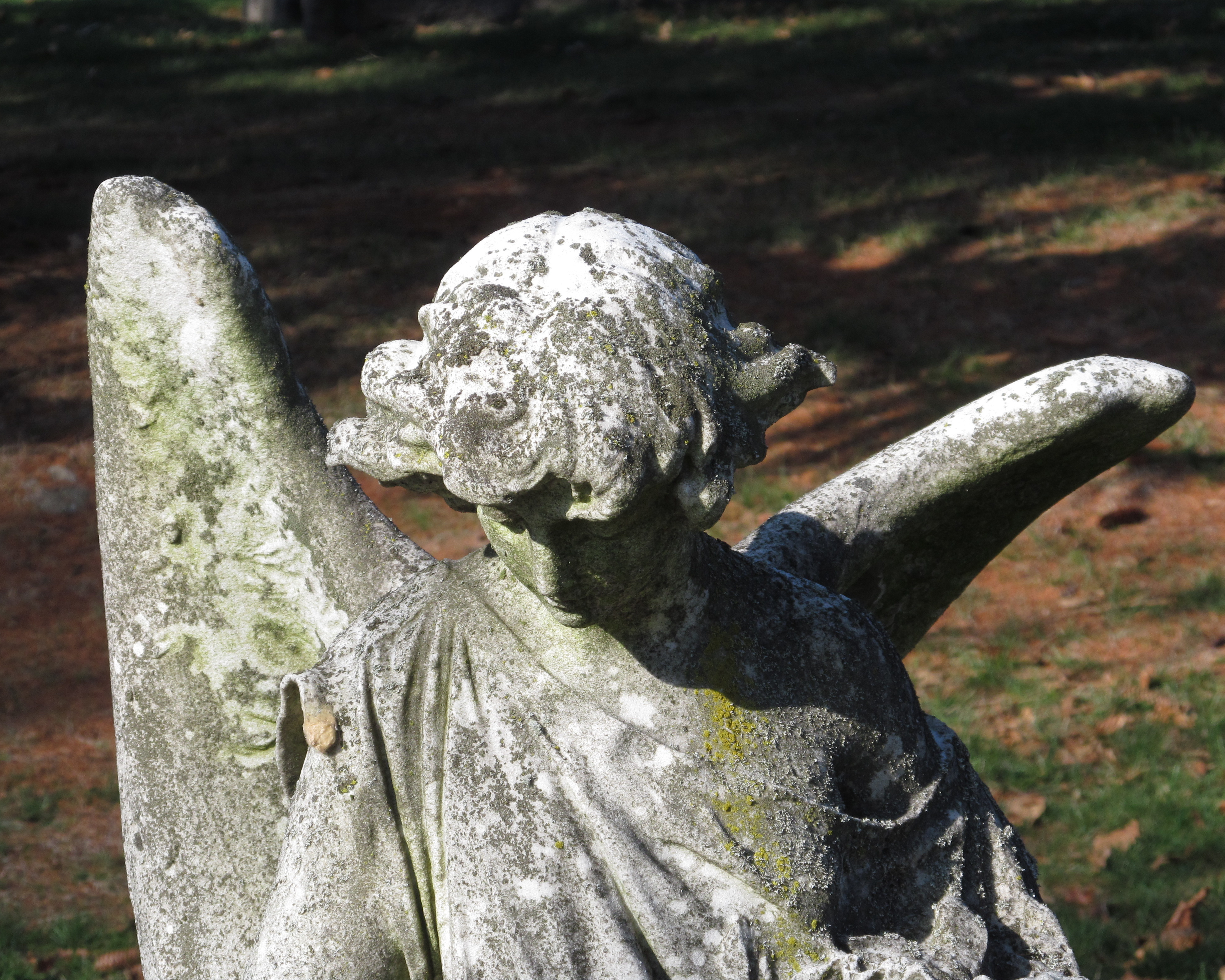
A weathered and damaged angel that is all the more picturesque for the damage. The right hand was probably strewing flowers when the statue was intact.

A fine and tasteful Art Deco stele that probably dates from 1933, when John E. Cook himself died. His wife and four of his six children died before him.