
One of the most elegant Ionic mausoleums in the city, this one is notable for its perfectly balanced classical details and its tastefully ornate bronze doors.


The Art and Architecture of Death
One of the most elegant Ionic mausoleums in the city, this one is notable for its perfectly balanced classical details and its tastefully ornate bronze doors.

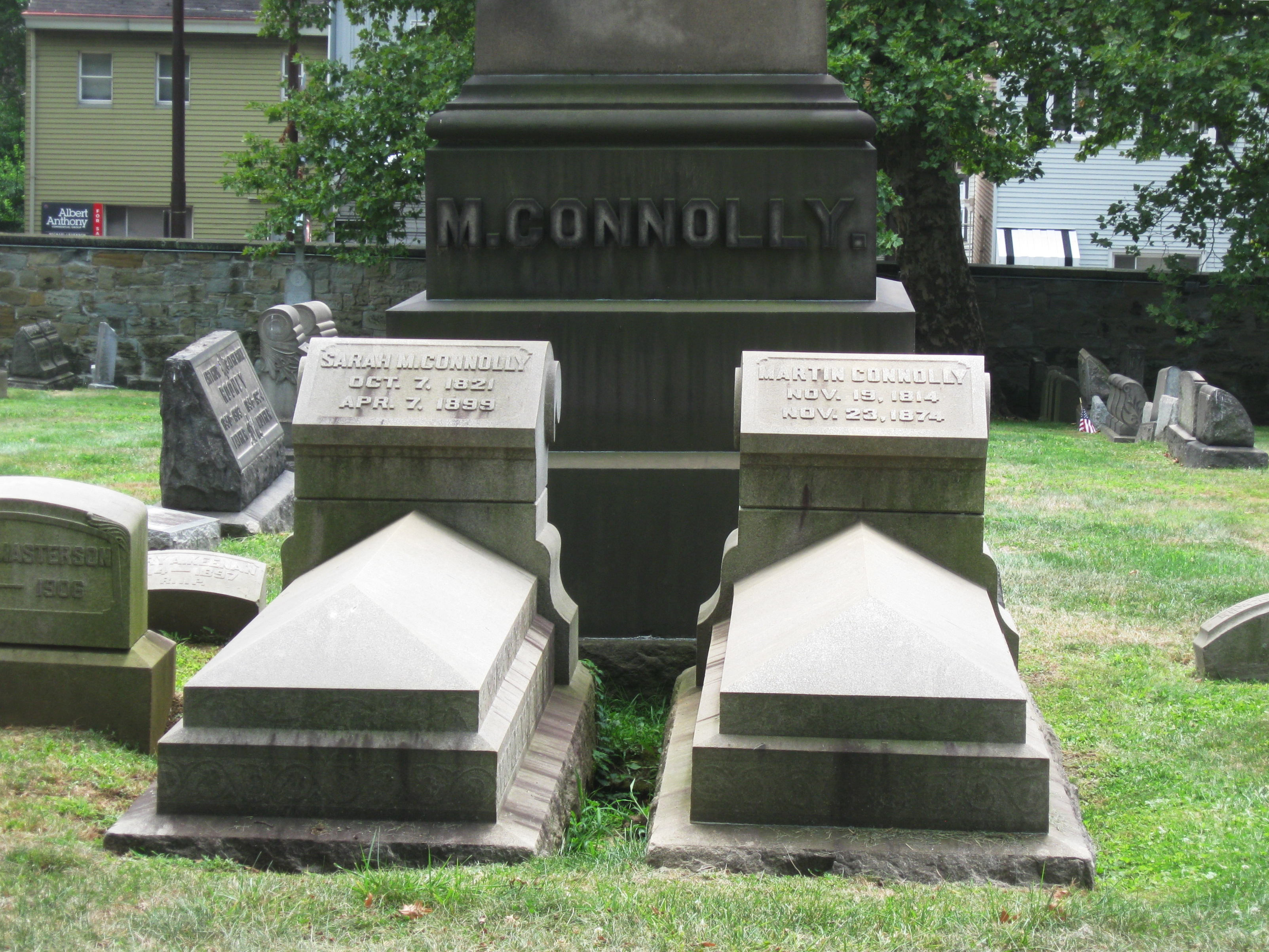
It is common in Catholic cemeteries to see a monument that in all other respects would be called an obelisk, but that terminates in a cross instead of a point. Obelisks in Catholic cemeteries are seldom left without some Christianizing symbol to exorcise the demons of paganism. This one was probably put up in 1874, when Martin Connolly died.

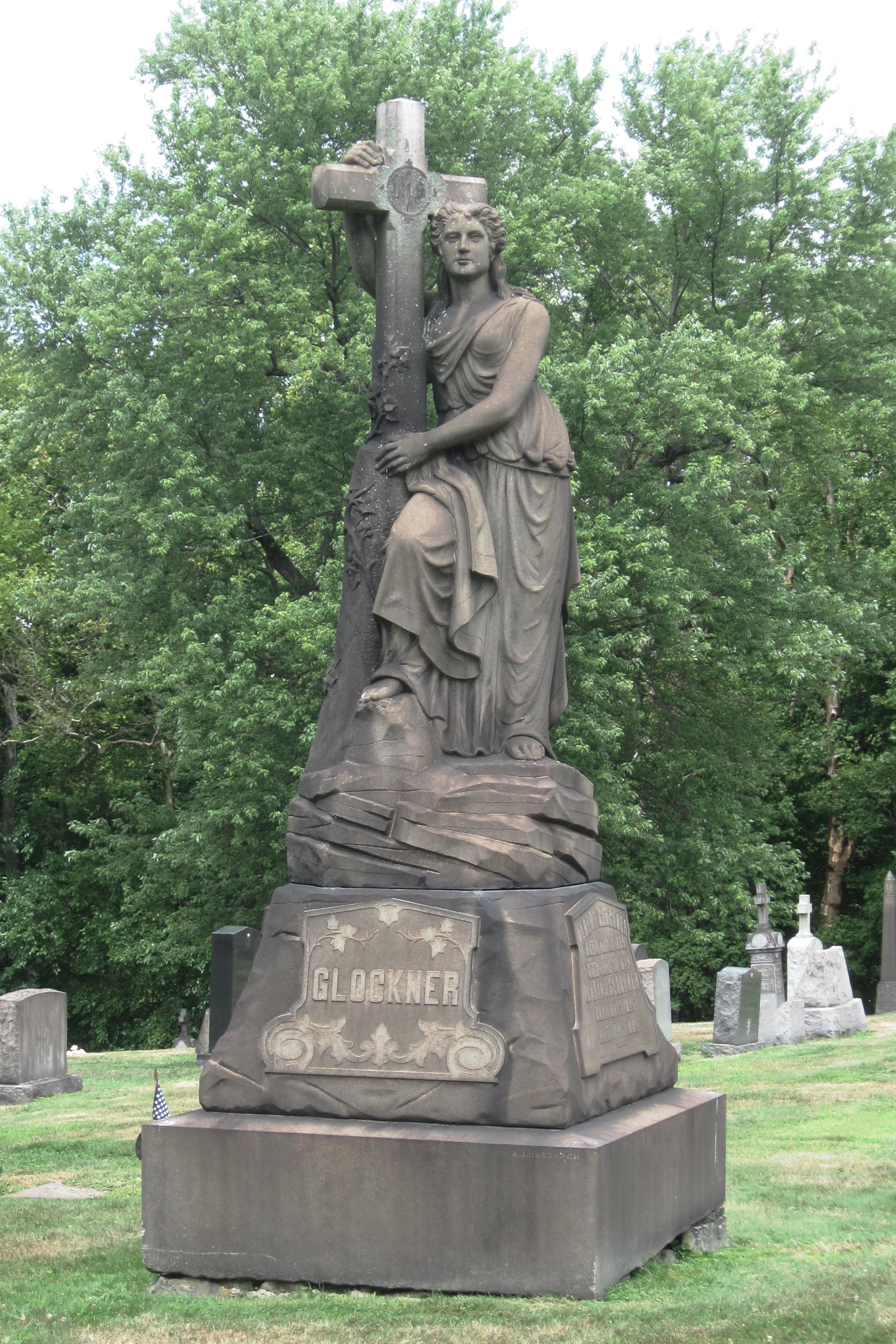
A striking monument from about 1879 (when the first Glockner in this plot died), with the slightly chunky-looking details typical of the era.


The polished Doric columns seem almost out of place on this otherwise rustic mausoleum. The effect is like the effect of a mixed metaphor: it draws attention to itself, though you understand what it means.

If you want to be buried under a pyramid but don’t want to be ostentatious about it, this is your monument.

A very respectable between-the-wars mausoleum, with the flatter top that had become fashionable on classical mausoleums in the early twentieth century. This one is made of expensive polished granite.


A beautiful abstract classical memorial that reminds old Pa Pitt of middle-twentieth-century cartoons of heaven. The most recent inscription remembers Marian Becker Cummins, who died in 2017 at the age of 101.

The Carnahan family has been prominent in the near South Hills for a long time, and this plot, with its chunky rusticated monument, is lovingly maintained with a garden of ornamental grasses.


A massive chunk of Ionic classicism that certainly does its job of making the Henry family plot easy to find. The large volutes on top cleverly echo the Ionic volutes of the capitals of the columns. The monument probably dates from 1902, when John Henry was buried here. The individual tombstones look like children’s toy models of the main monument.

This is almost certainly a marble pedestal for a large urn, now missing. By the style it looks as though this monument dates from about the time Katharina Wilbert died in 1875, which is a quarter-century before the foundation of the cemetery; so old Pa Pitt suspects it was moved here from another site. German inscriptions, common elsewhere, are unusual in the upper-middle-class Mount Lebanon Cemetery.

KATHARINA F.
WILBERT
NÉE HAAS
BORN APRIL 15, 1832
DIED SEPTEMBER 24, 1875
