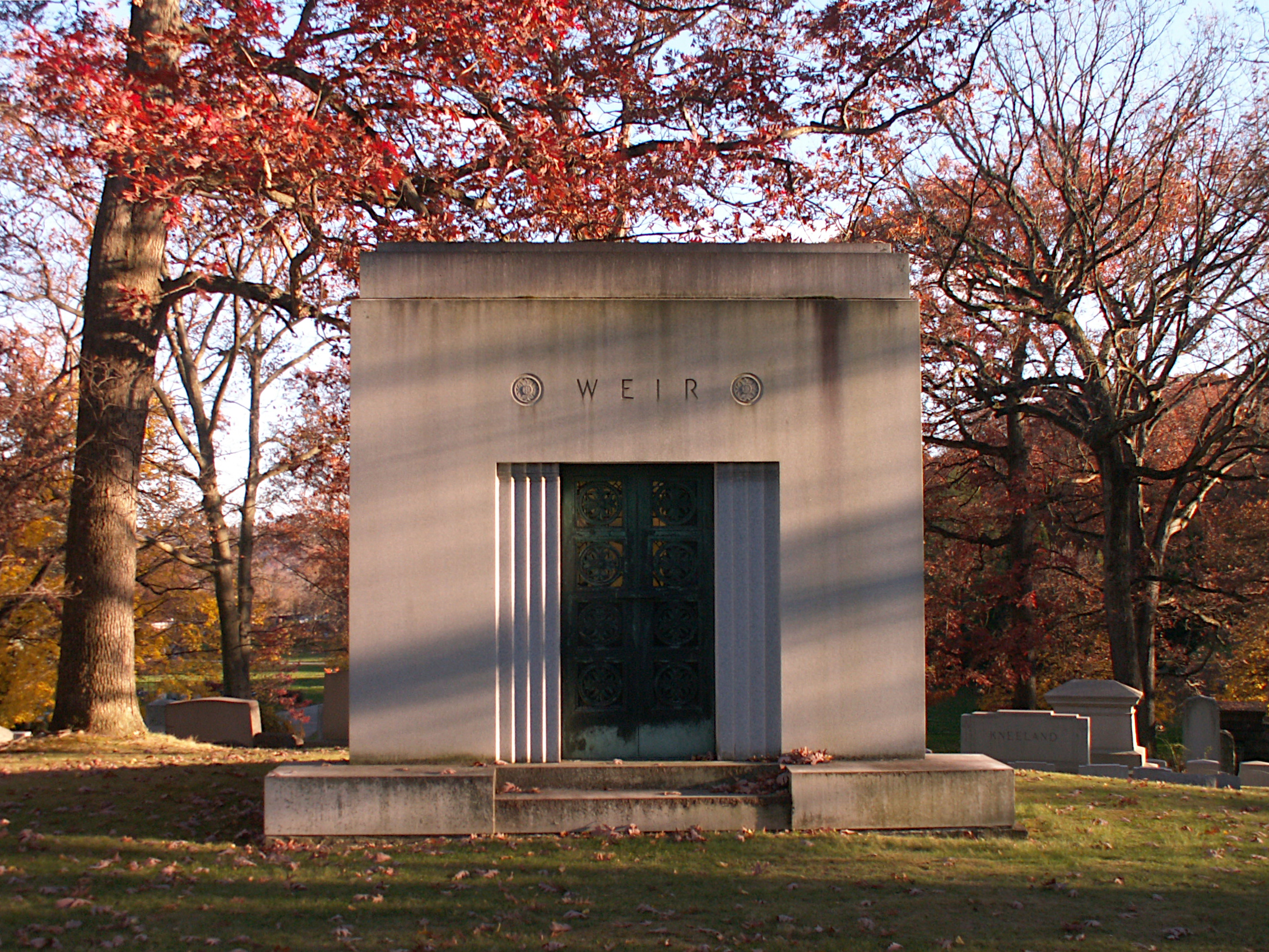
A very tasteful example of mid-twentieth-century modernism in a fine fall landscape.

The Art and Architecture of Death
A very tasteful example of mid-twentieth-century modernism in a fine fall landscape.

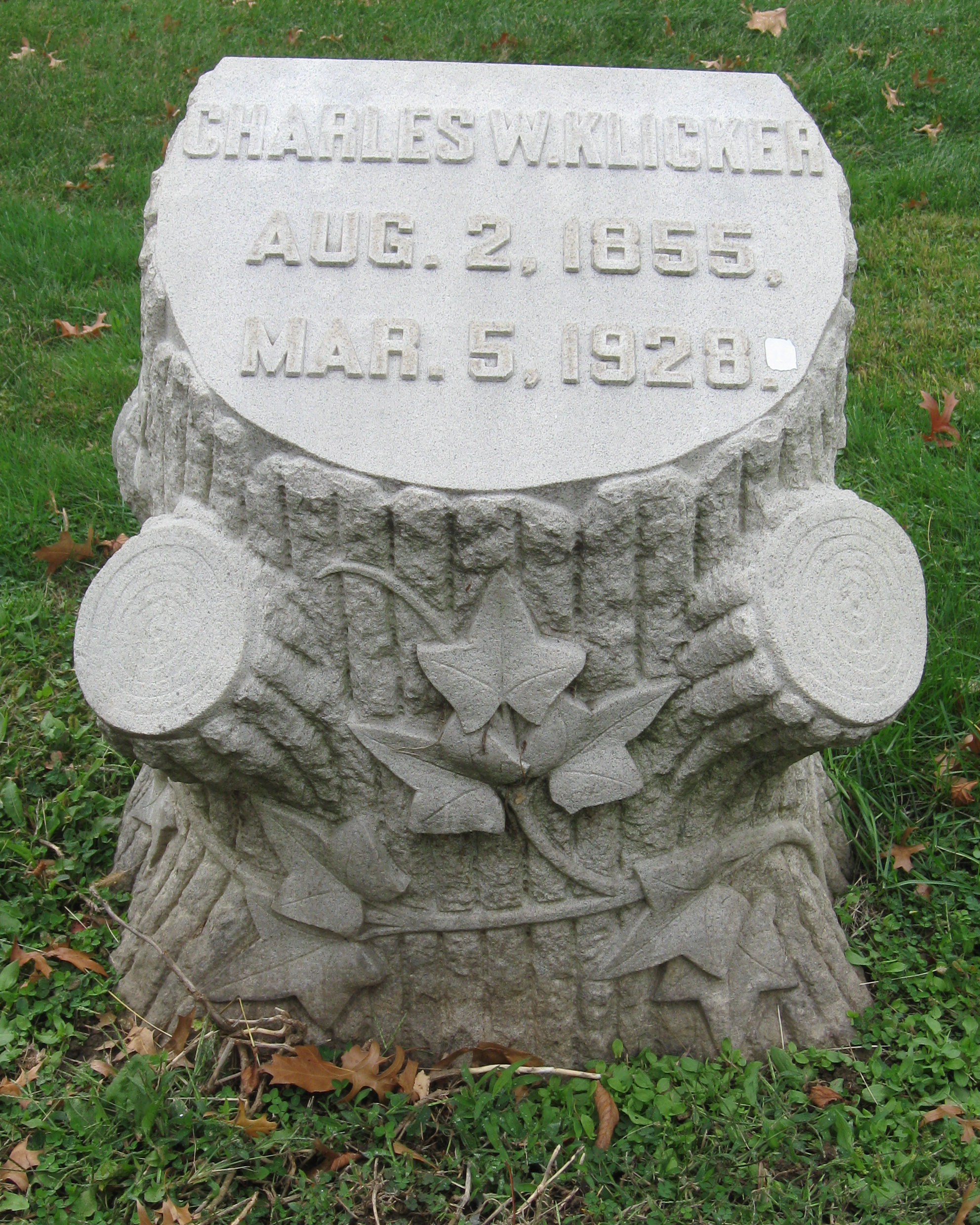
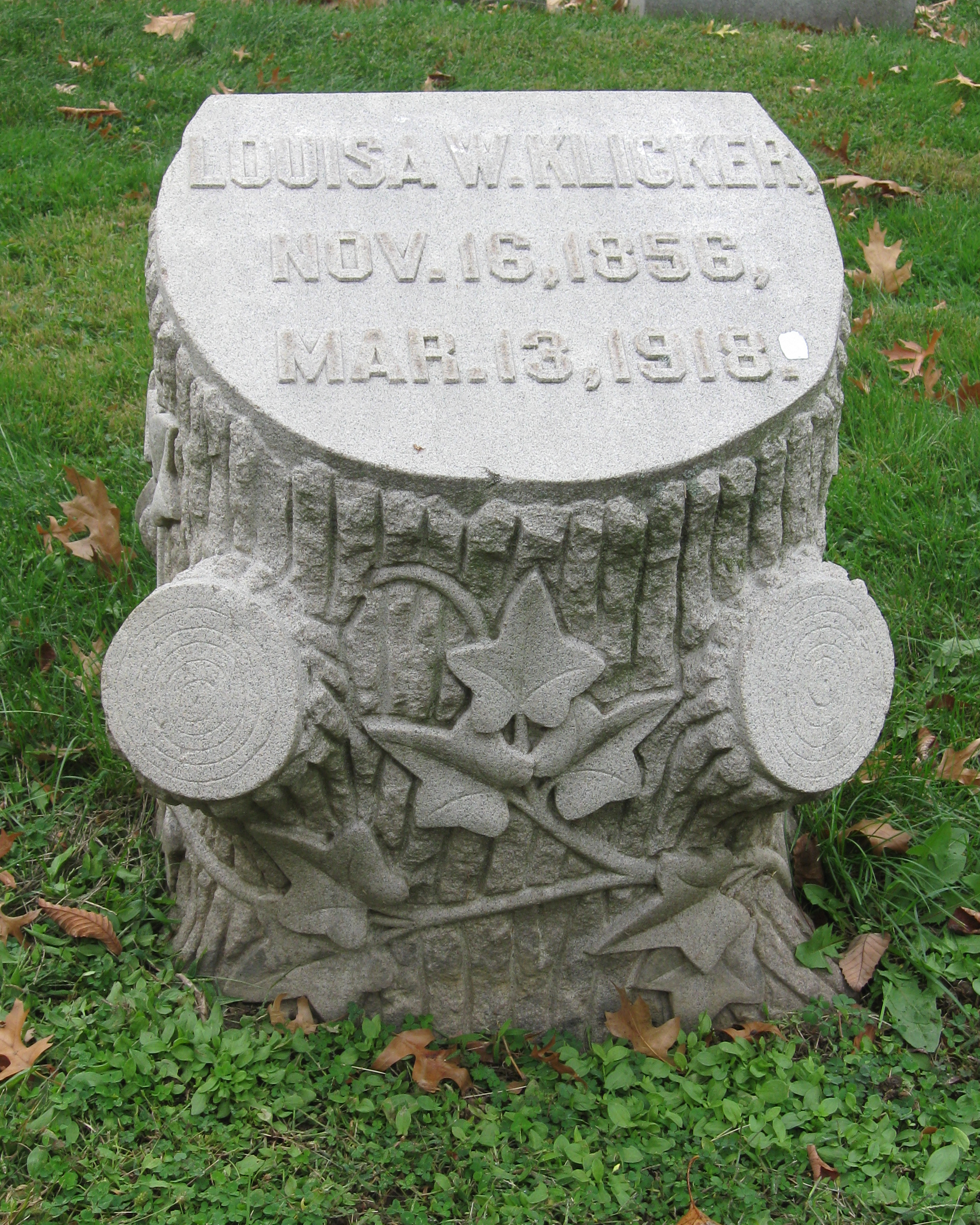
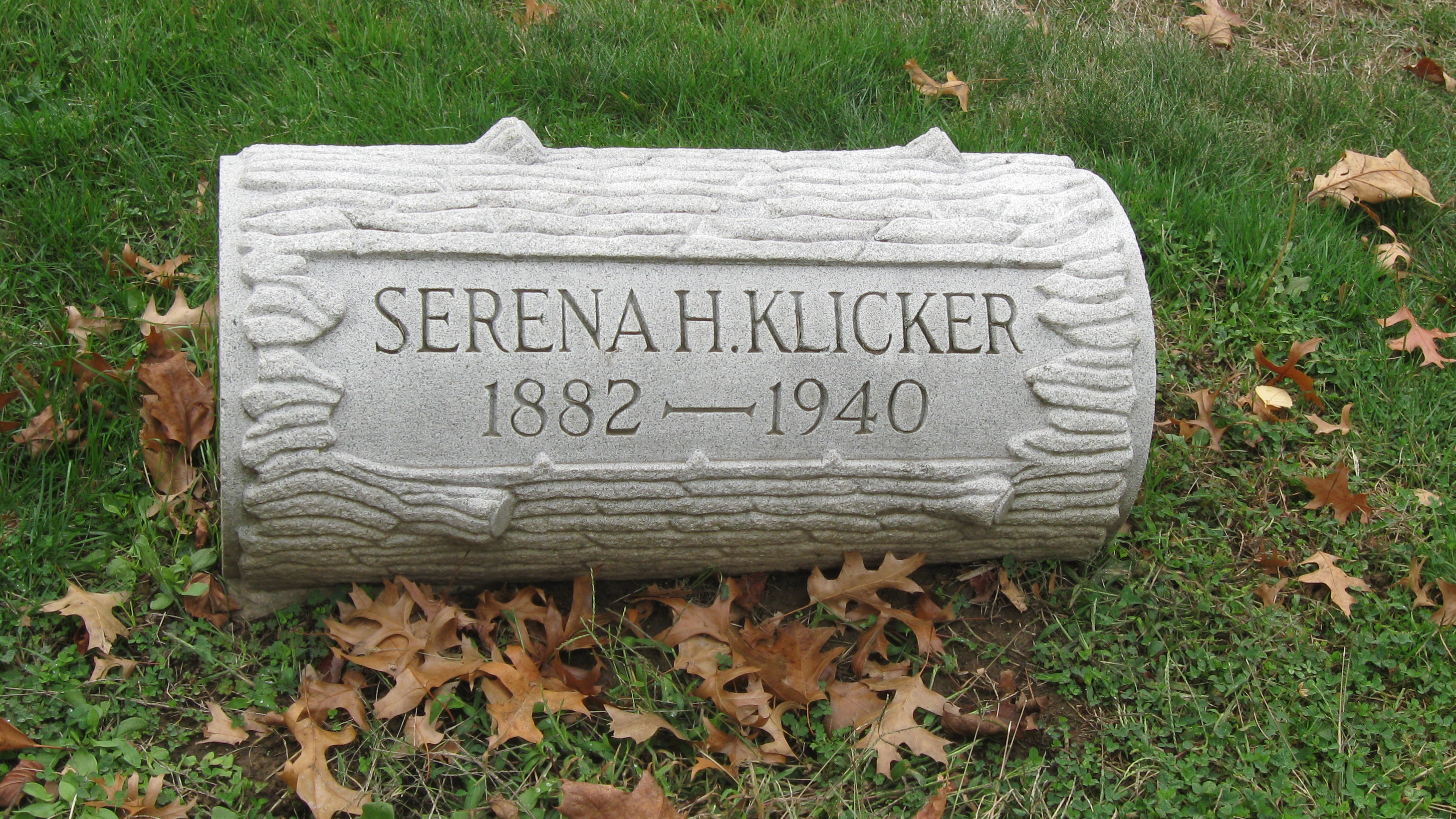
Stumps are common in cemeteries; logs less so, but not rare. This symmetrical arrangement of stumps and logs is unique in Pittsburgh, as far as old Pa Pitt knows.


For their mausoleum, the McCutcheons chose a remarkably tasteful miniature Gothic church, dated 1881 over the stone doors on both sides.


A sort-of-classical, sort-of-medieval urn-topped monument for a clergyman (who died on a train crossing Wyoming) and his family. with an epitaph from Deuteronomy. As is almost usual for family monuments from the nineteenth century, it includes the names of several children who did not survive to adulthood.


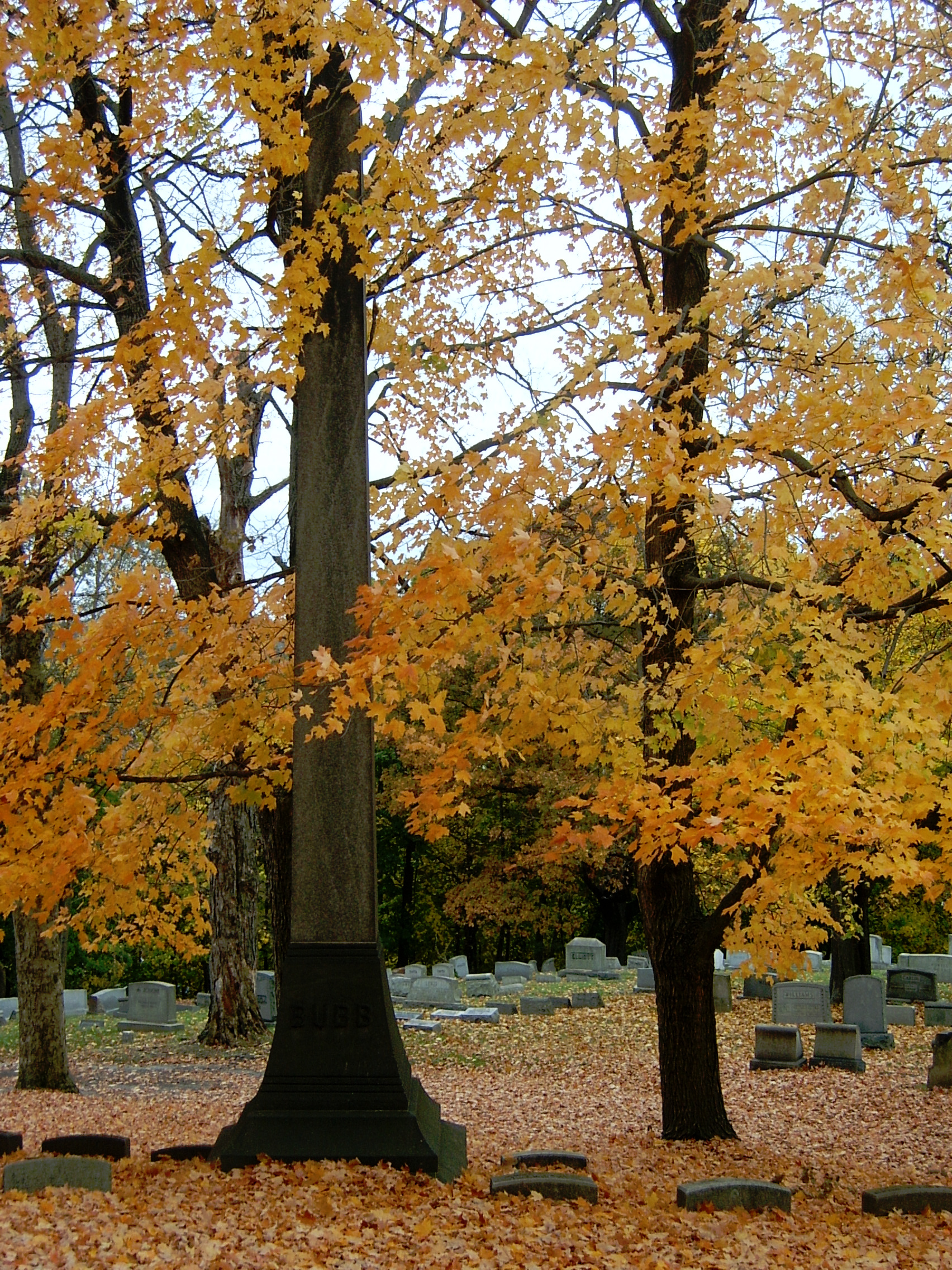
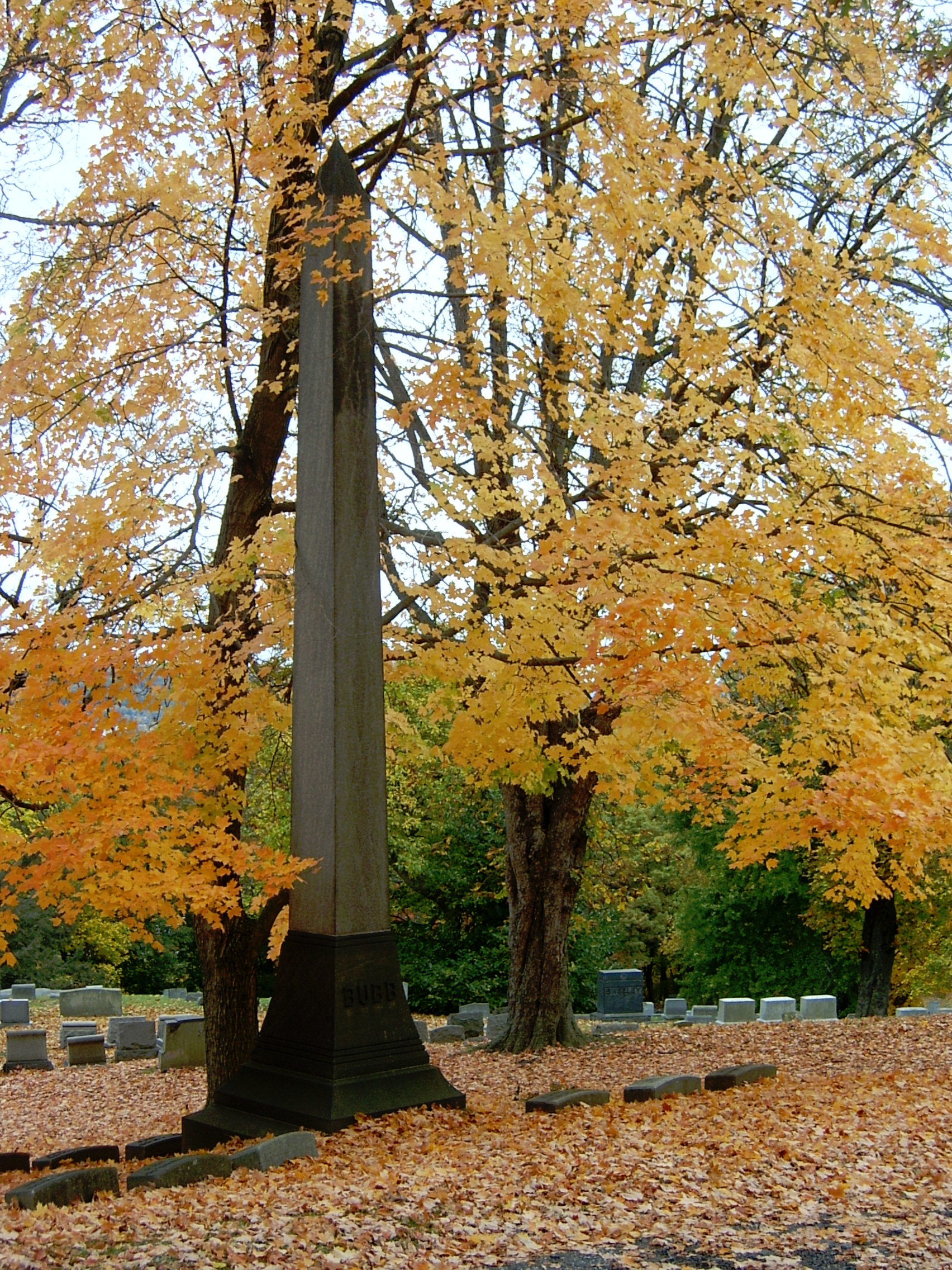
A typical obelisk from the late 1800s; Rebecca Bubb died in 1896, and Father Pitt suspects that is when the obelisk was raised. It is mostly an excuse to show off a glorious maple tree.


A small classical mausoleum in very good taste; the Boston ivy is always a picturesque touch, but especially in the fall. The name “Taylor” was added to the pediment later.
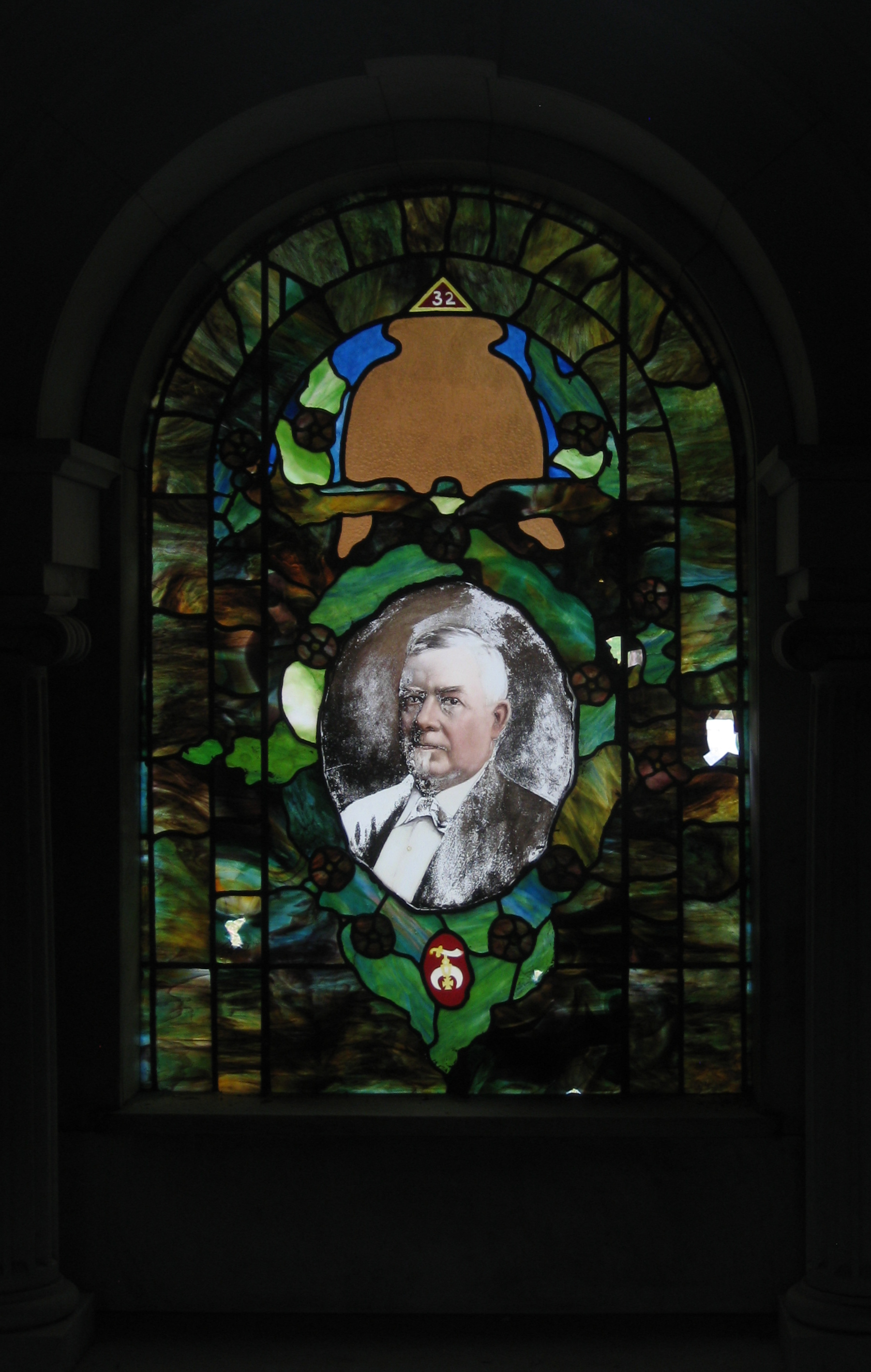
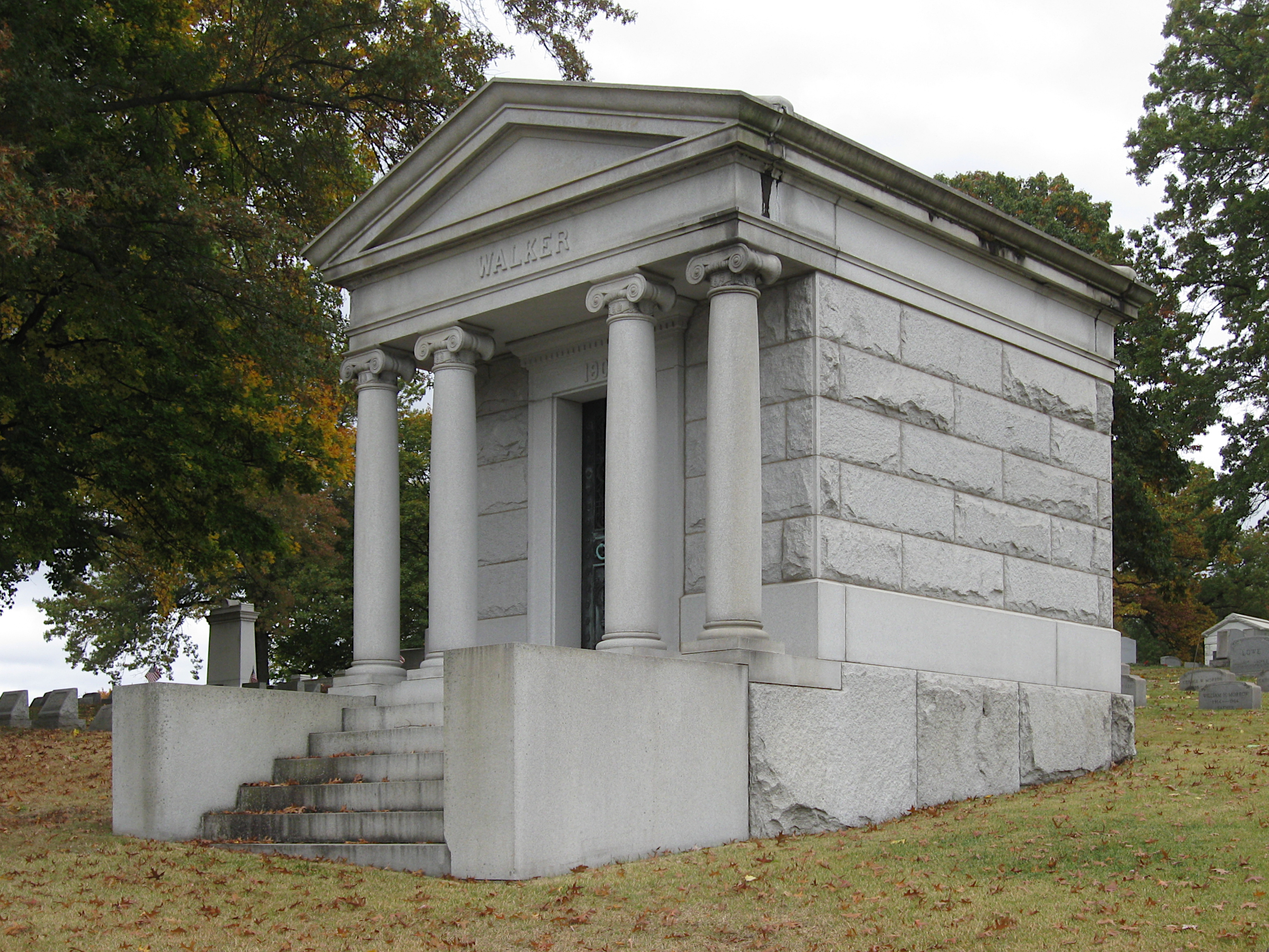
William H. Walker (1841-1904) had his portrait rendered in stained glass for the back of his mausoleum, which is the sort of thing you can do if you have the money to put up a large Ionic mausoleum like this one.