
Generations of Heinzes rest in this Jeffersonian domed mausoleum, including H. J. the ketchup king and the late Senator John Heinz.


The Art and Architecture of Death
Generations of Heinzes rest in this Jeffersonian domed mausoleum, including H. J. the ketchup king and the late Senator John Heinz.

This is the Lillian Russell who was widely considered the most beautiful woman in the world in the late 1800s and into the 1900s. Her fourth and last husband was Alexander Pollock Moore, who owned the Leader in Pittsburgh. When she died unexpectedly in 1922, he gave her this tiny but tasteful mausoleum; he was buried with her later, but her name is the one above the columns, and the epitaph is hers: “The world is better for her having lived.”

Mrs. Moore’s opinion as “Immigration Inspector” was that Europe was sending us its worthless dregs; she is sometimes blamed for the restrictive immigration policies that followed, but it is very likely that the Harding administration appointed her to reinforce and not to create anti-immigrant prejudice. She injured herself in a very minor way on the trip back, but died unexpectedly from complications.
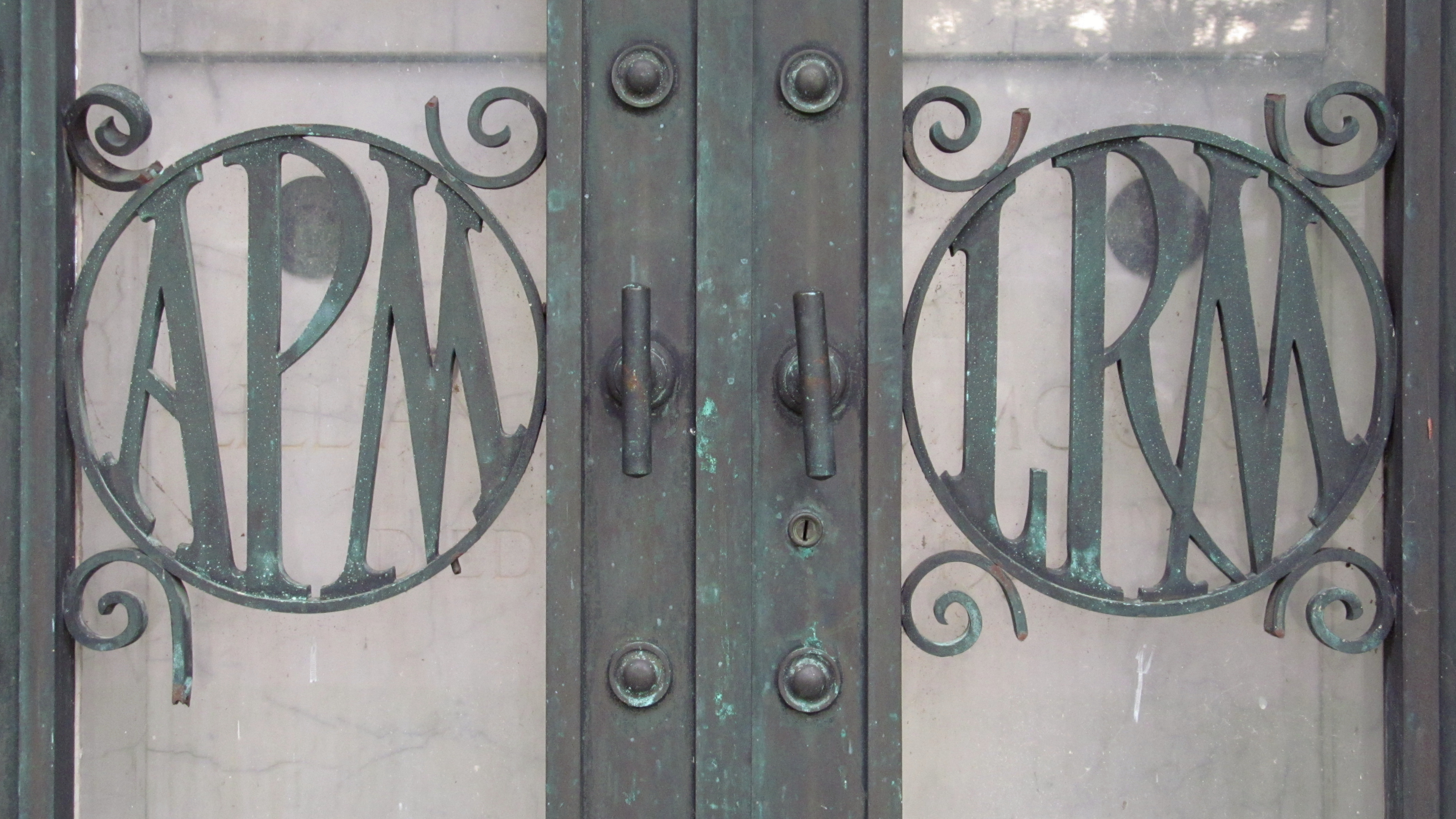
The initials of both residents are rendered in bronze on the doors.
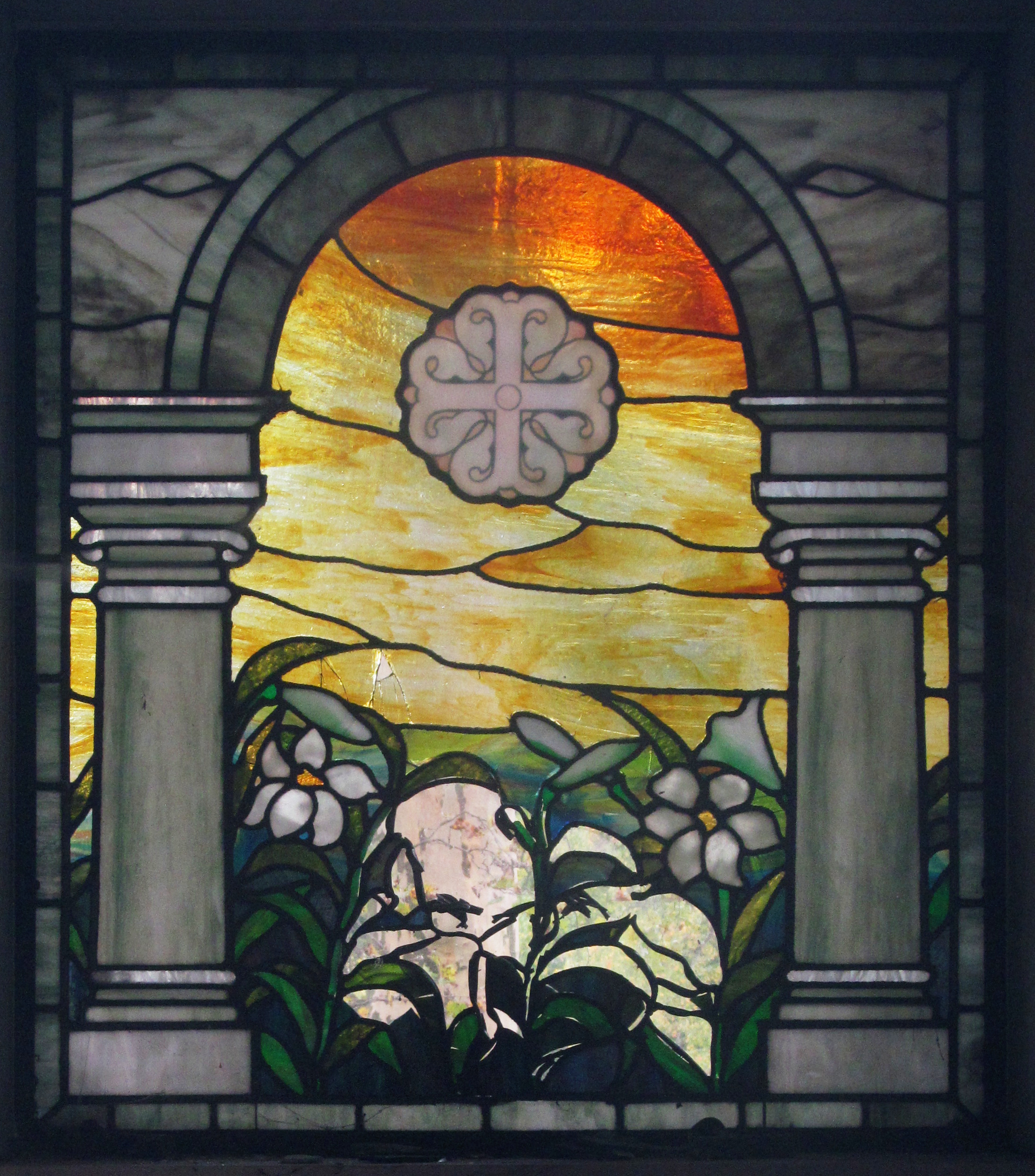
The simple stained glass has suffered some damage, which should be fairly easy to repair.

A miniature Doric temple with “Christ is risen” in blackletter (with quotation marks) to Christianize it. There are inscriptions for death dates back to 1865, but from the style Father Pitt would date this monument much later—perhaps 1914, which is the earliest date after the 1860s.

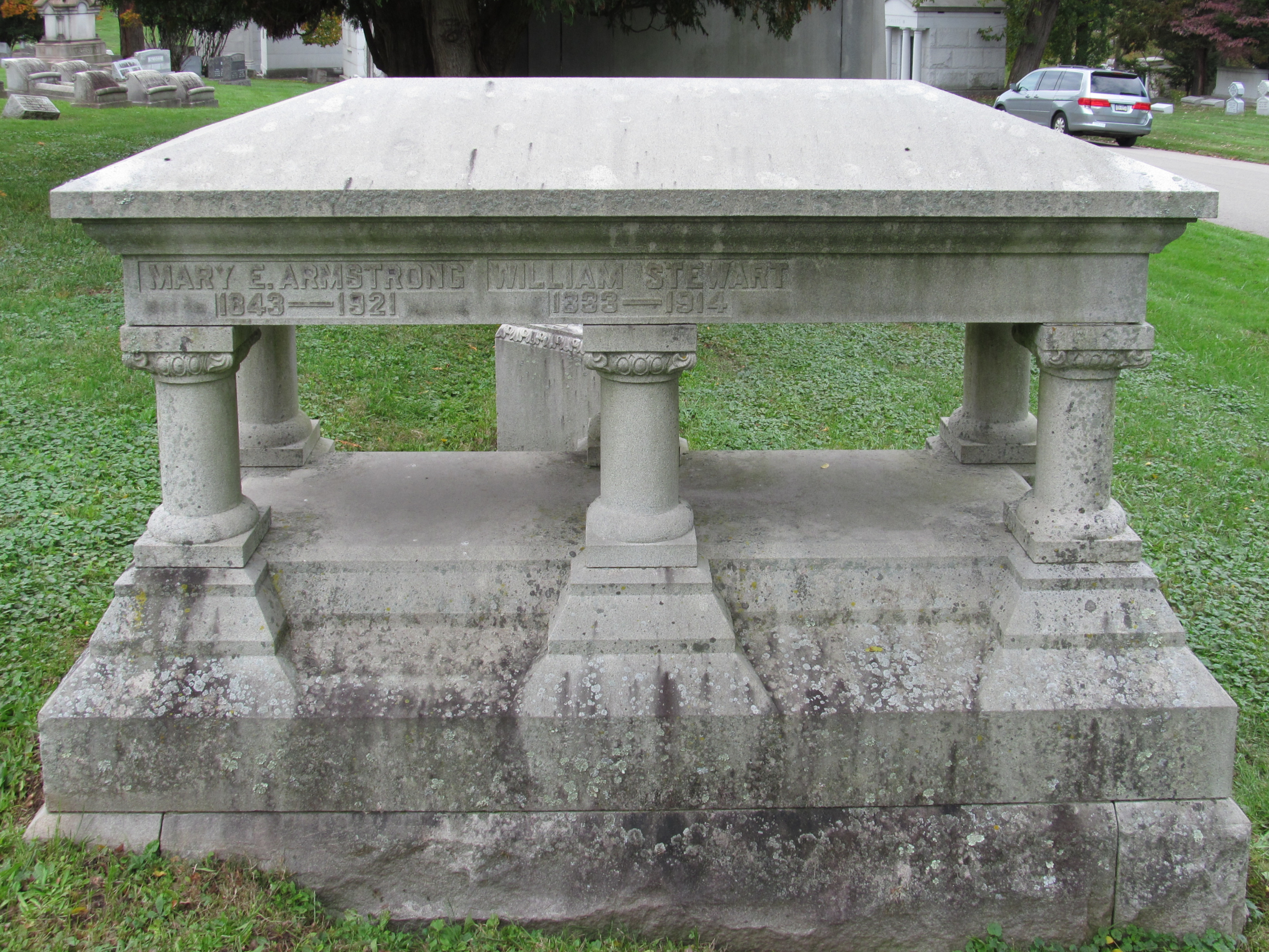

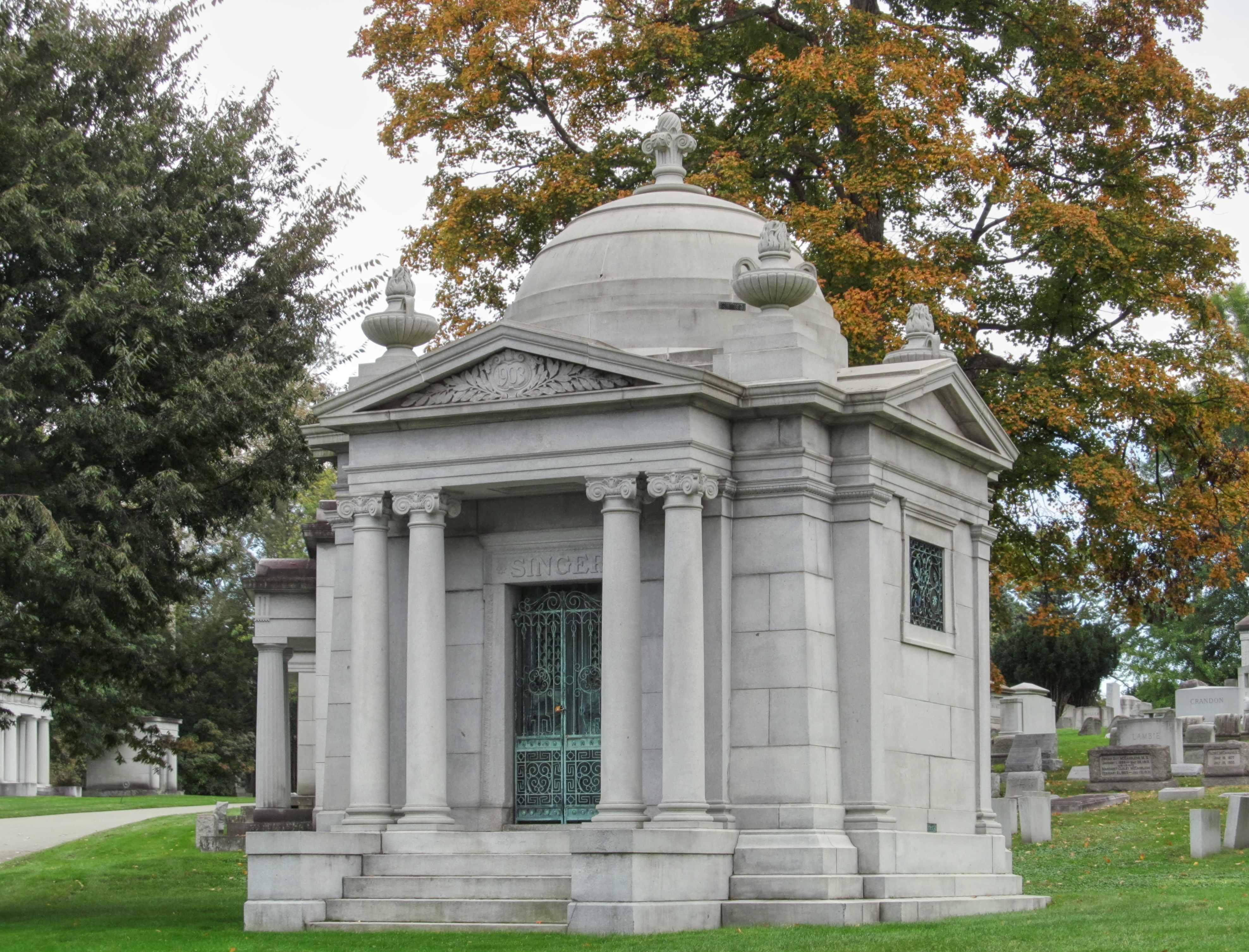
A Victorian interpretation of Jeffersonian classicism. Domes are fairly unusual on Pittsburgh mausoleums, but this one works well with the “modern Ionic” design. The four large lamps on the corners are a bit much, in old Pa Pitt’s opinion; but the Singers didn’t ask him.
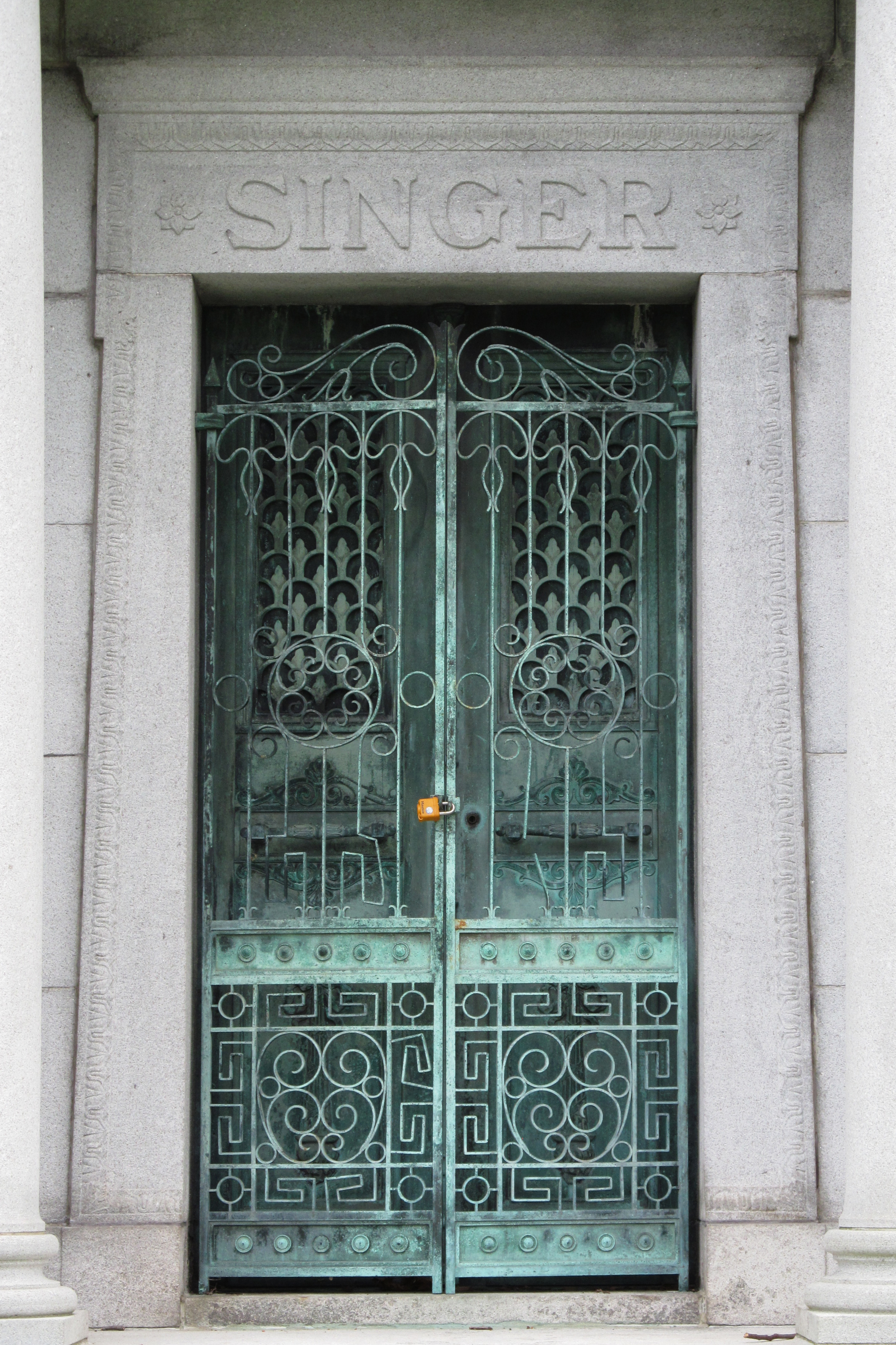
Two layers of bronze and one cheap padlock keep vandals out, or perhaps the Singers in.

An early-twentieth-century Doric mausoleum of the simpler style, without pediment or frieze, that was becoming popular then. The stained glass inside is a simple vine decoration.


We have featured this mausoleum before, but surrounded by the splendor of fresh June greenery it makes a very attractive picture.

A substantial classical monument that may date from 1933, when Jacob Minsinger was buried (under a separate ledger); but the style suggests that it could be older, and might have been bought while Jacob was alive in anticipation of the eventual need for it.

The Soffels always decorate their mausoleum in Mount Lebanon Cemetery with a wreath for Christmas.
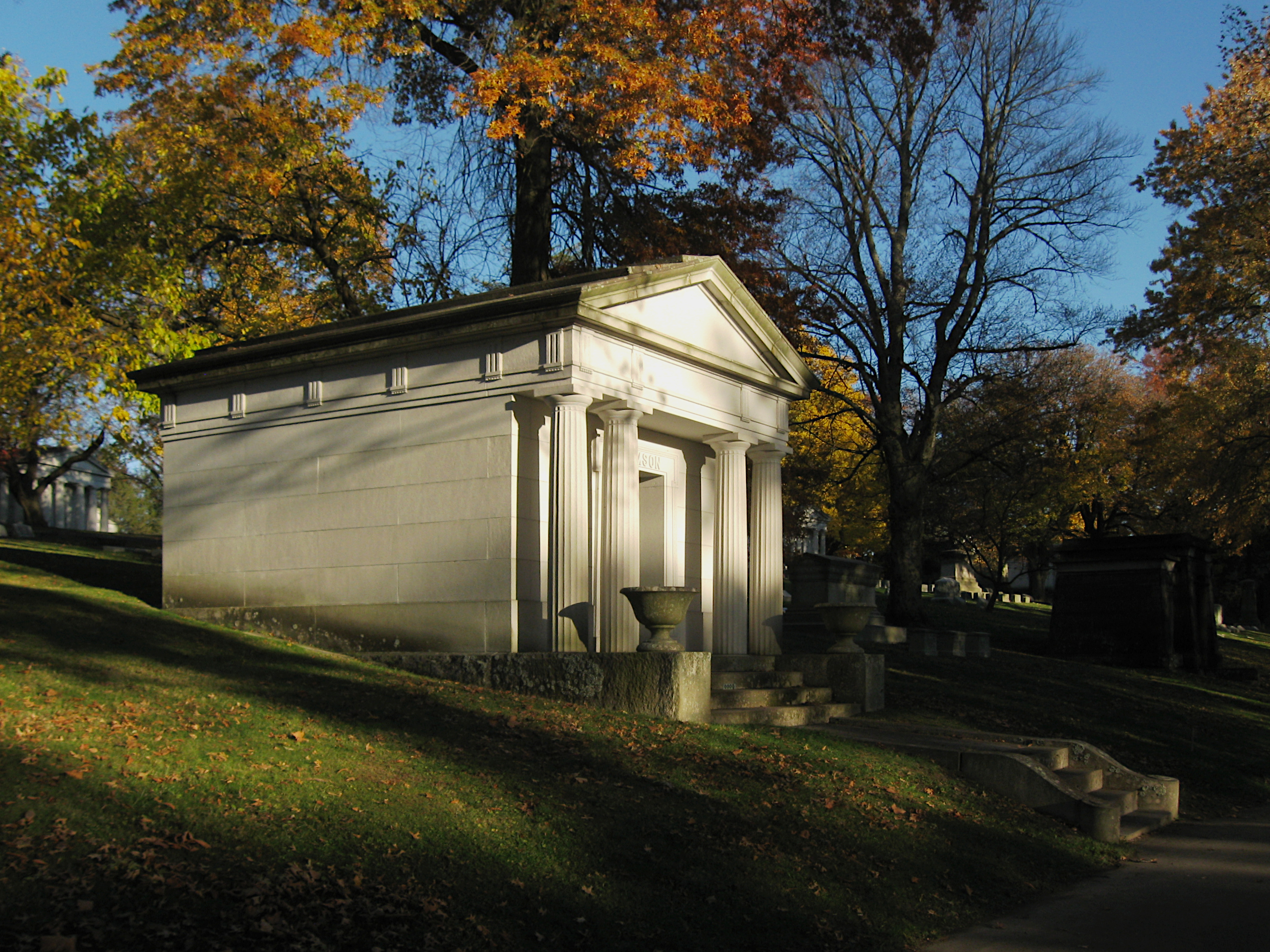
A typical Doric mausoleum made exceptional by its picturesque setting on a hill.


A large Doric temple near the entrance to the cemetery. It is very much a gentleman’s mausoleum: it is most distinguished by its lack of distinguishing features, concentrating instead on getting every detail of the style perfectly correct.

