Pittsburgh Cemeteries

The Art and Architecture of Death

A tasteful Doric monument with a big blank canvas for inscriptions that was never used; instead, George and Caroline Lang have their inscriptions on their own individual resting places. The monument looks as though it may be newer than the graves themselves.

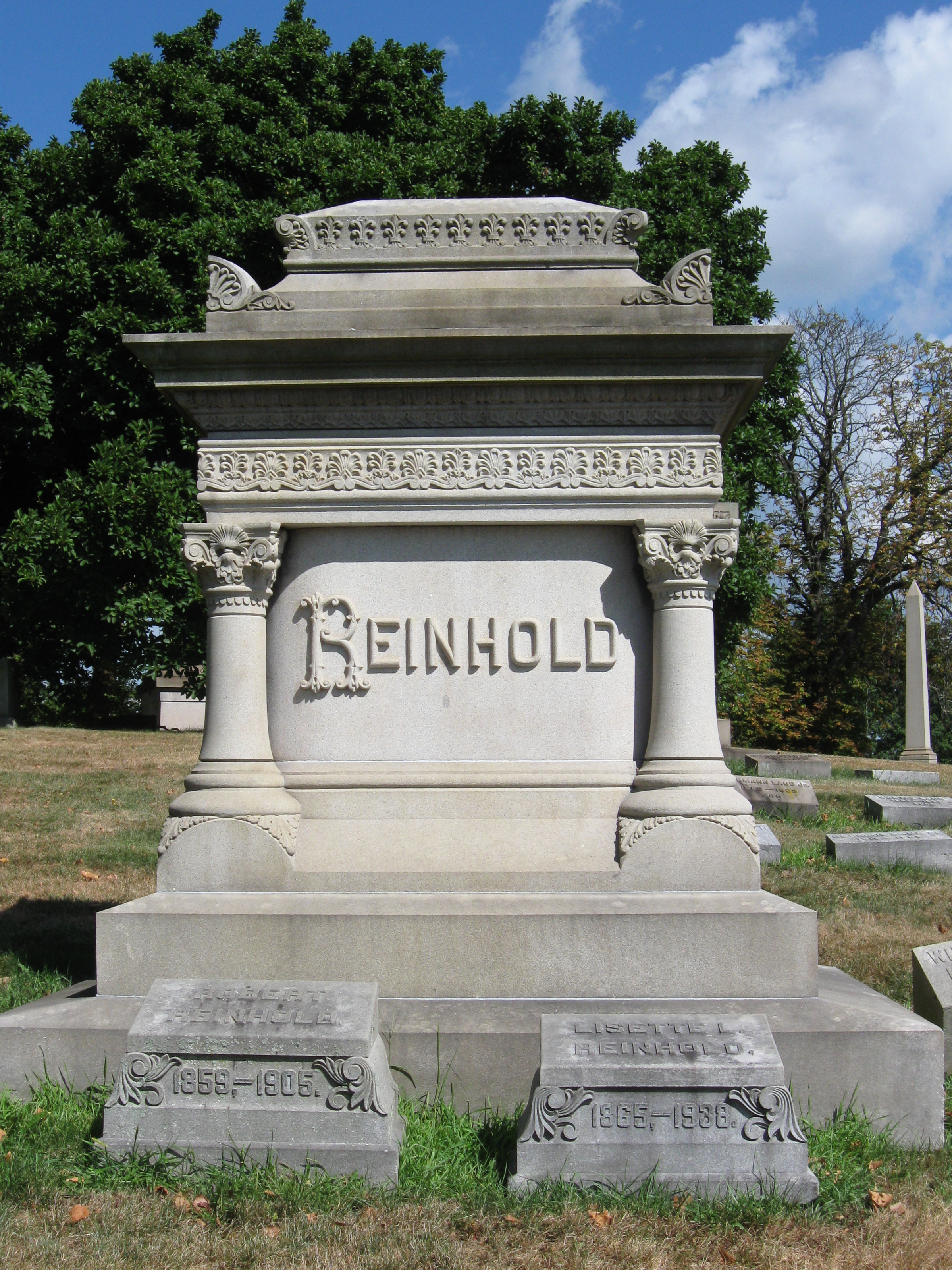
A massive and ostentatious pile of classicism, with a curious florid R for the name Reinhold that ought to look out of place but actually harmonizes very well. It is pleasing to note that as late as 1987 the Reinholds had the money and the persistence to procure a stone matching the earlier ones in the plot.

One of the most elegant Ionic mausoleums in the city, this one is notable for its perfectly balanced classical details and its tastefully ornate bronze doors.

The polished Doric columns seem almost out of place on this otherwise rustic mausoleum. The effect is like the effect of a mixed metaphor: it draws attention to itself, though you understand what it means.

A very respectable between-the-wars mausoleum, with the flatter top that had become fashionable on classical mausoleums in the early twentieth century. This one is made of expensive polished granite.

A beautiful abstract classical memorial that reminds old Pa Pitt of middle-twentieth-century cartoons of heaven. The most recent inscription remembers Marian Becker Cummins, who died in 2017 at the age of 101.

A massive chunk of Ionic classicism that certainly does its job of making the Henry family plot easy to find. The large volutes on top cleverly echo the Ionic volutes of the capitals of the columns. The monument probably dates from 1902, when John Henry was buried here. The individual tombstones look like children’s toy models of the main monument.

A Doric mausoleum with rusticated stone: a very common sort of design, but very dignified, and much more picturesque when we add autumn leaves. The stained glass inside is a standard design from the catalogue.

A typical Doric cube of the early twentieth century. The stained glass is rather good. Charles A. Brooks was interred here in 1906, and Anna Cloyde Woodward Brooks in 1931; according to cemetery records, they are the only residents.

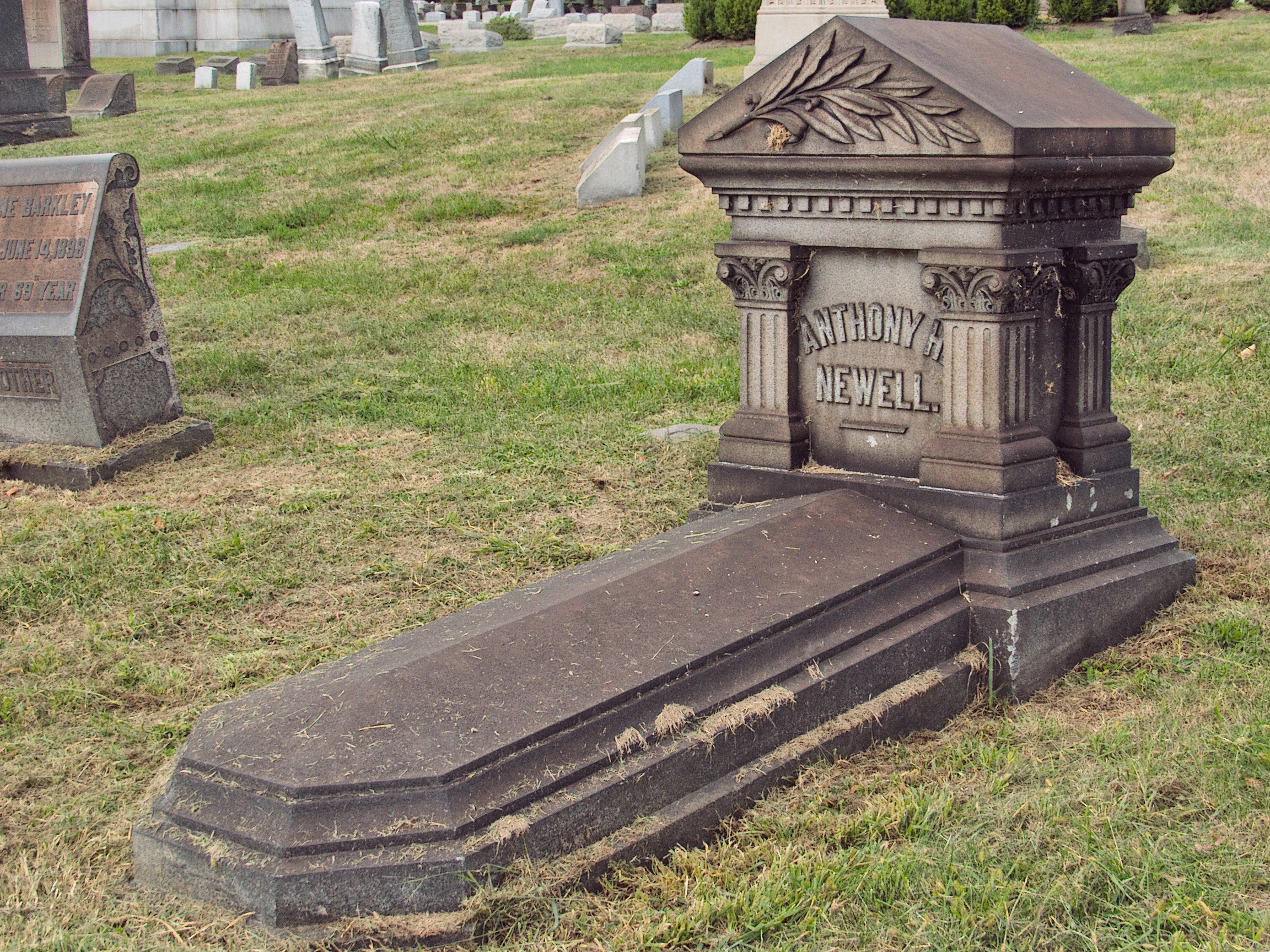
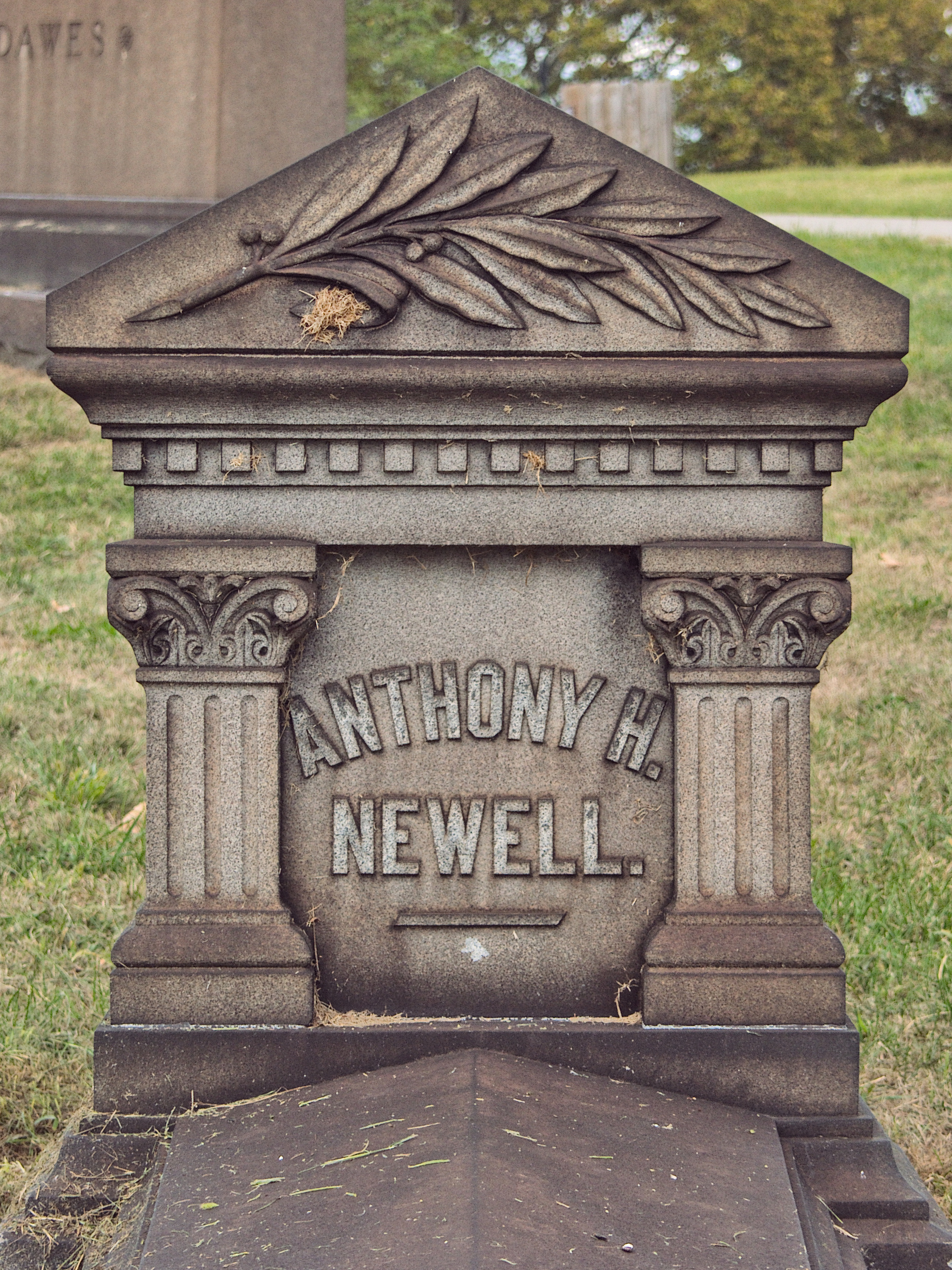
An unusual design: a full-length grave with a kind of miniature Corinthian temple as the headstone.