
A towering monolith marks the Sheraden family plot in Chartiers Cemetery. William Sheraden was the founder of the Sheraden borough that later became the Sheraden neighborhood of Pittsburgh.


The Art and Architecture of Death
A towering monolith marks the Sheraden family plot in Chartiers Cemetery. William Sheraden was the founder of the Sheraden borough that later became the Sheraden neighborhood of Pittsburgh.

A simple Doric design whose severity is moderated by a Greek-key decoration.

A bilingual zinc or “white bronze” monument for a native of Saxe-Weimar-Eisenach (now part of Thuringia): English on one side, German on the other. Unusually it gives us two dates: the date of death (1877) and the date the monument was erected (1880).


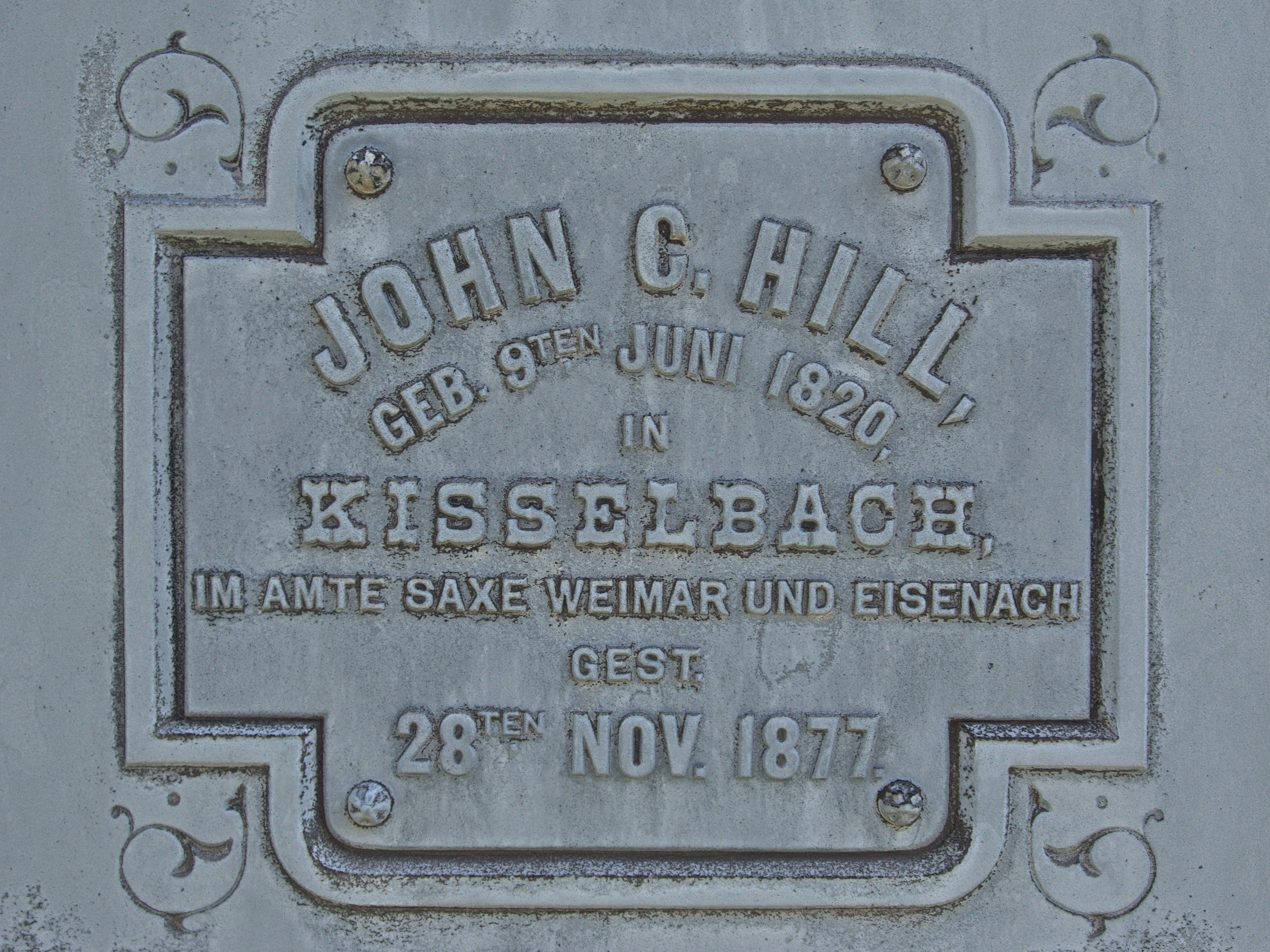
Kisselbach is a very small town: Wikipedia gives its current population as 586.

The epitaph seems to be from an old folk song. Father Pitt appends his own attempt at a translation, but anyone who knows German better is welcome to improve it.
Lebe wohl du mutterliche Erde,
Nimm mich auf in deinen kühlen Schoos,
Dass mein Herz nach kummer nach beschwerden,
Ruhen möge unterm kühlen Moos.
Farewell, thou motherly earth,
Take me in thy cooling lap,
So that after all my trials and pains,
My heart may rest under the cooling moss.

This particular style of monument is the Monumental Bronze Company’s Design No. 8.

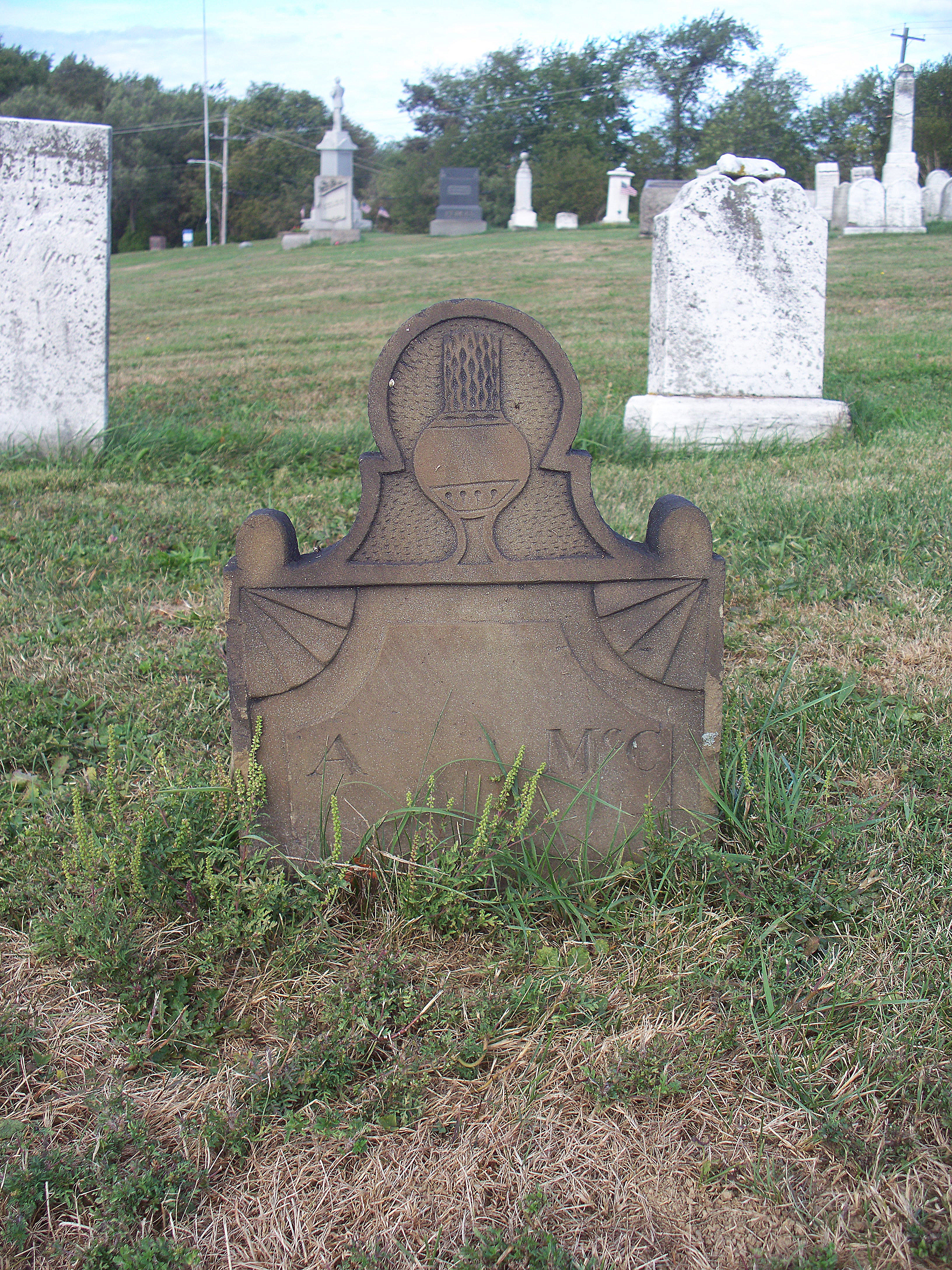
This particular craftsman, active in Robinson Run Cemetery in the 1830s, sticks to one particular symbol, which Father Pitt interprets as a stylized thistle—emblematic of sorrow, but also emblematic of Scotland, perhaps the homeland of most of his patrons. Fan ornaments decorate the corners of all his stones.
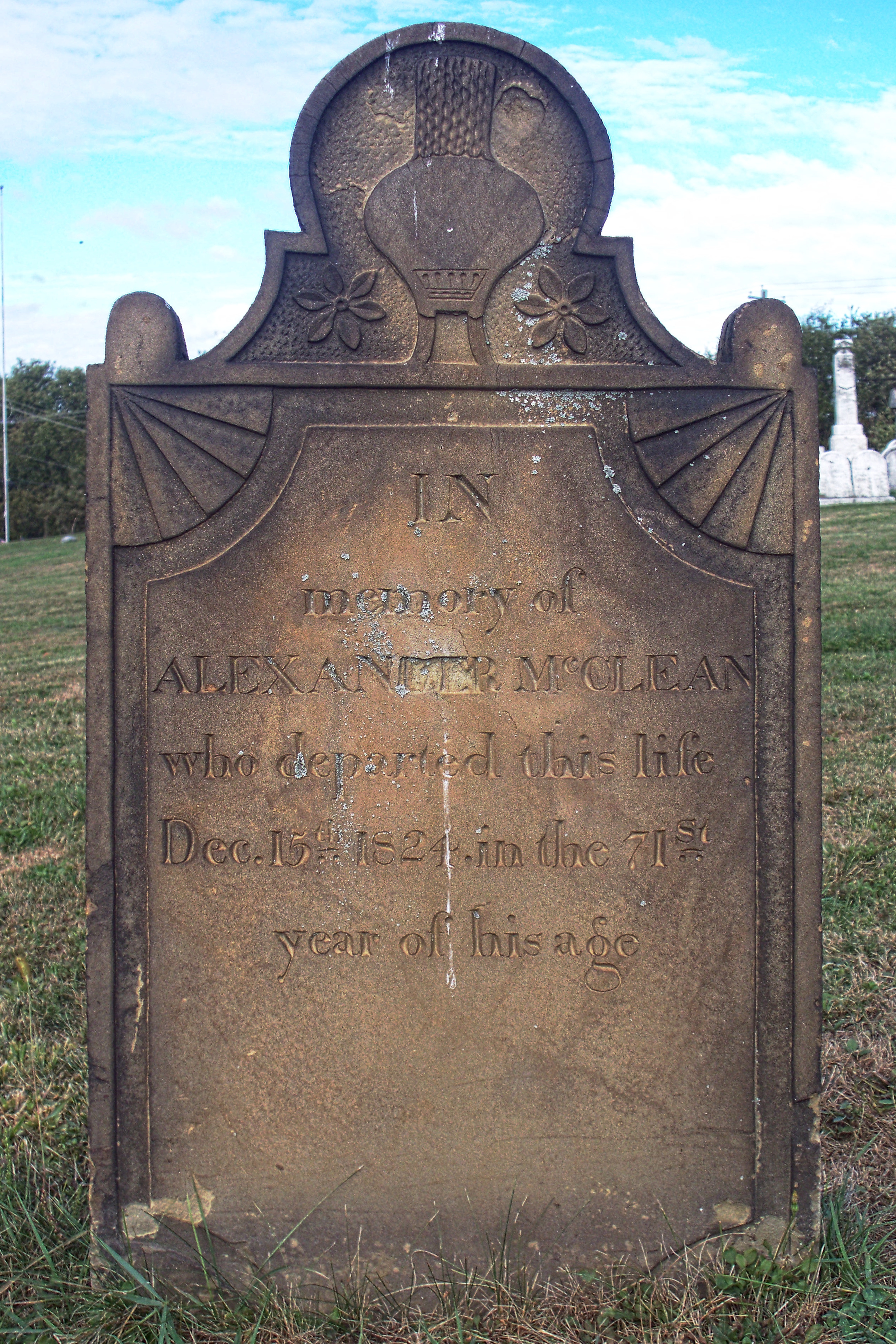
Alexander and Isabella McClean’s headstones are good and well-preserved examples of his work. He also gave them footstones, which seem to have migrated a little from their original positions, but are still fairly close to the headstones they go with. The carving on the footstones looks a little hastier, although some of that may just be the smaller size.


The same artist made this stone for Elisabeth Moss. “The grave of,” incidentally, is a very unusual way to introduce a tombstone inscription around here, but it was obviously a family preference: Elisabeth Moss is buried in the same plot as the McBurneys, who, though their stones were cut by a different craftsman, both have inscriptions that begin with “The grave of…”
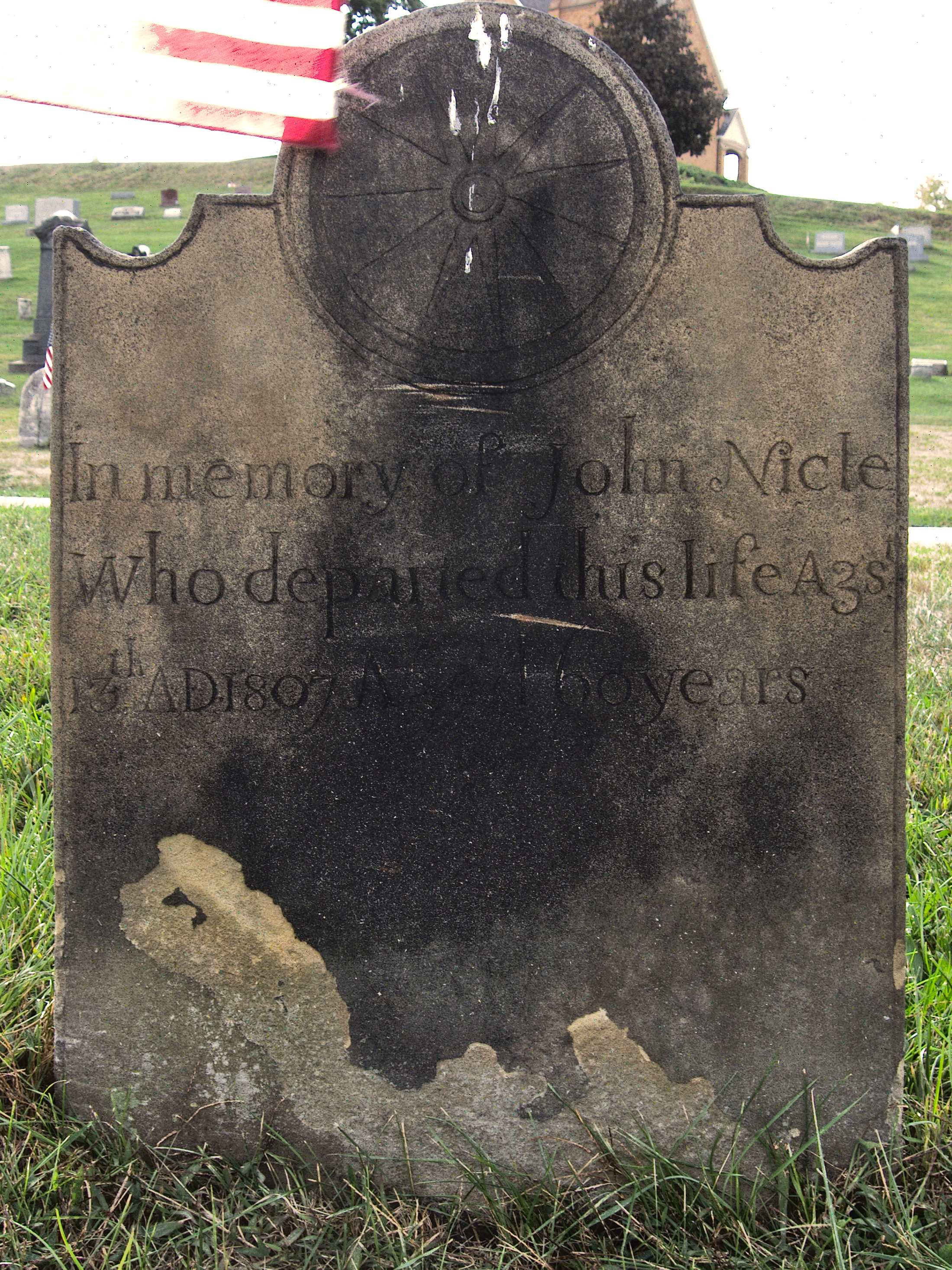
We have already met the Master of the Curly G in Robinson Run Cemetery. Union Cemetery, the burying ground of the adjacent Union Church, is only a few miles away, and we find the same readily identifiable craftsman active here, too. Above, the grave of a Revolutionary War veteran who died in 1807 (spelled “John Nicle” here and “John Nickle” on a modern bronze plaque next to the stone).

This stone is no longer completely legible, but its few distinct features mark it as obviously the work of the same artist. It is interesting to note that (if Father Pitt reads the remains of the inscription correctly) it begins with “Here lies the body of,” like a New England tombstone, rather than the far more usual “In memory of.” Father Pitt’s best effort at a transcription follows; unfortunately, the two data we should most like to have—the surname and the date of death—seem to be irretrievably obscured.
Here lies the body of Matth.
—— who departed this
life ———— in the 27th
year of his age.

Only a small part of the inscription on Mary Morgan’s tombstone is visible above ground, but again it is enough for us to recognize the craftsman instantly.

Instantly recognizable as the work of the Master of the Curly G, these two stones have inscriptions beginning simply “the grave of”—a curious family tradition also observed by Elisabeth Moss, who was buried in the same plot and is probably related. Note the awkward and rather embarrassing correction of the name “McBur[n]ey” above.


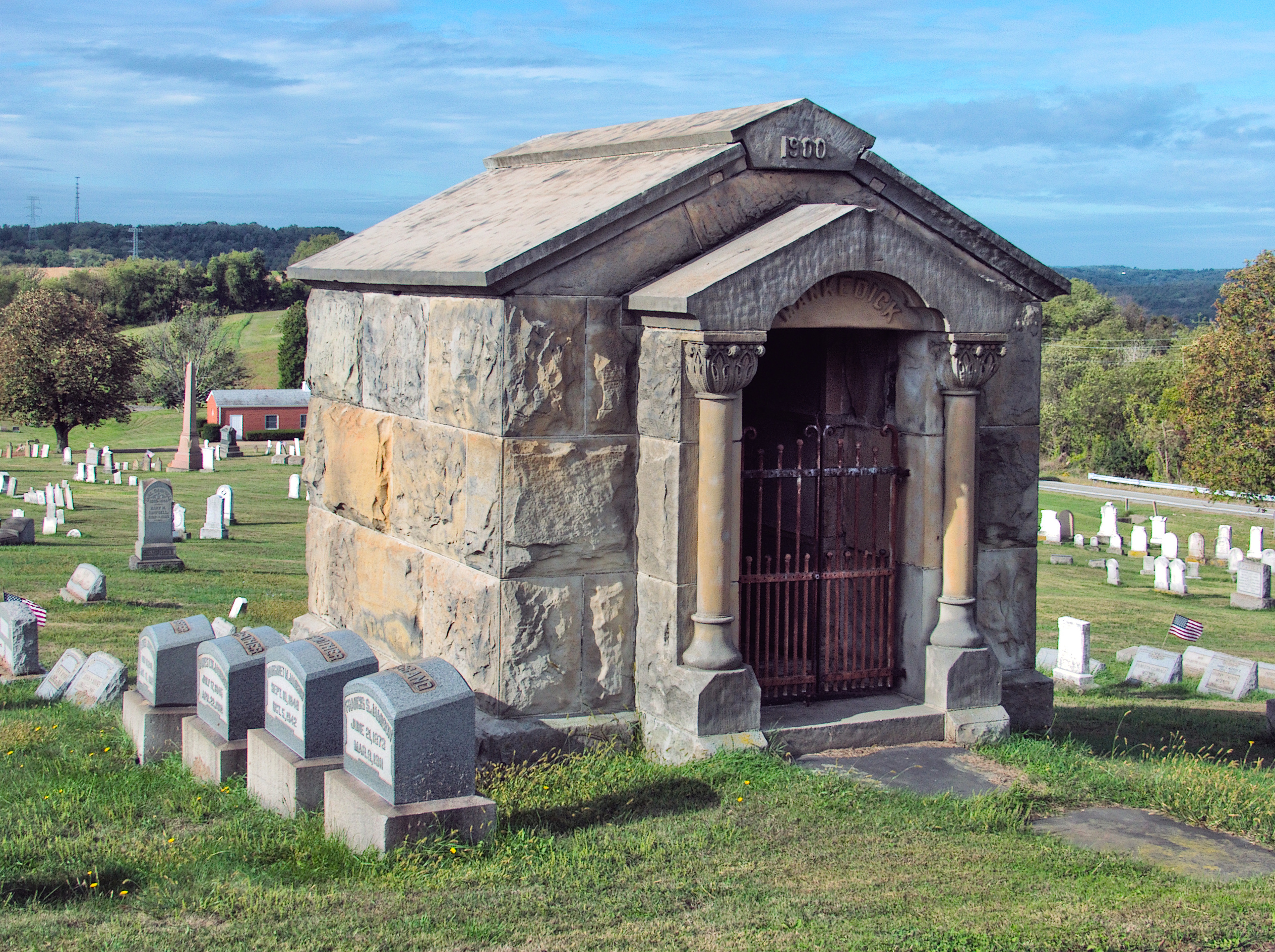
A simple rustic mausoleum from 1900, enlivened by medieval columns with finely carved capitals.

The Senn family plot carries the rustic-stump metaphor to an odd extreme. One central stump is surrounded by small stumps, one for each deceased family member. If the stump represents a life cut off, then the most descriptive term for the metaphor applied to a whole family this way is “deforestation.”


Here in Zion Cemetery, Whitehall, is an interesting document in the German-American immigrant experience.
George and Sophia (Klotz) Gutbub had a number of children who did not survive to adulthood, all buried in a row in the family plot. Those children all died with the name Gutbub—but their father did not.


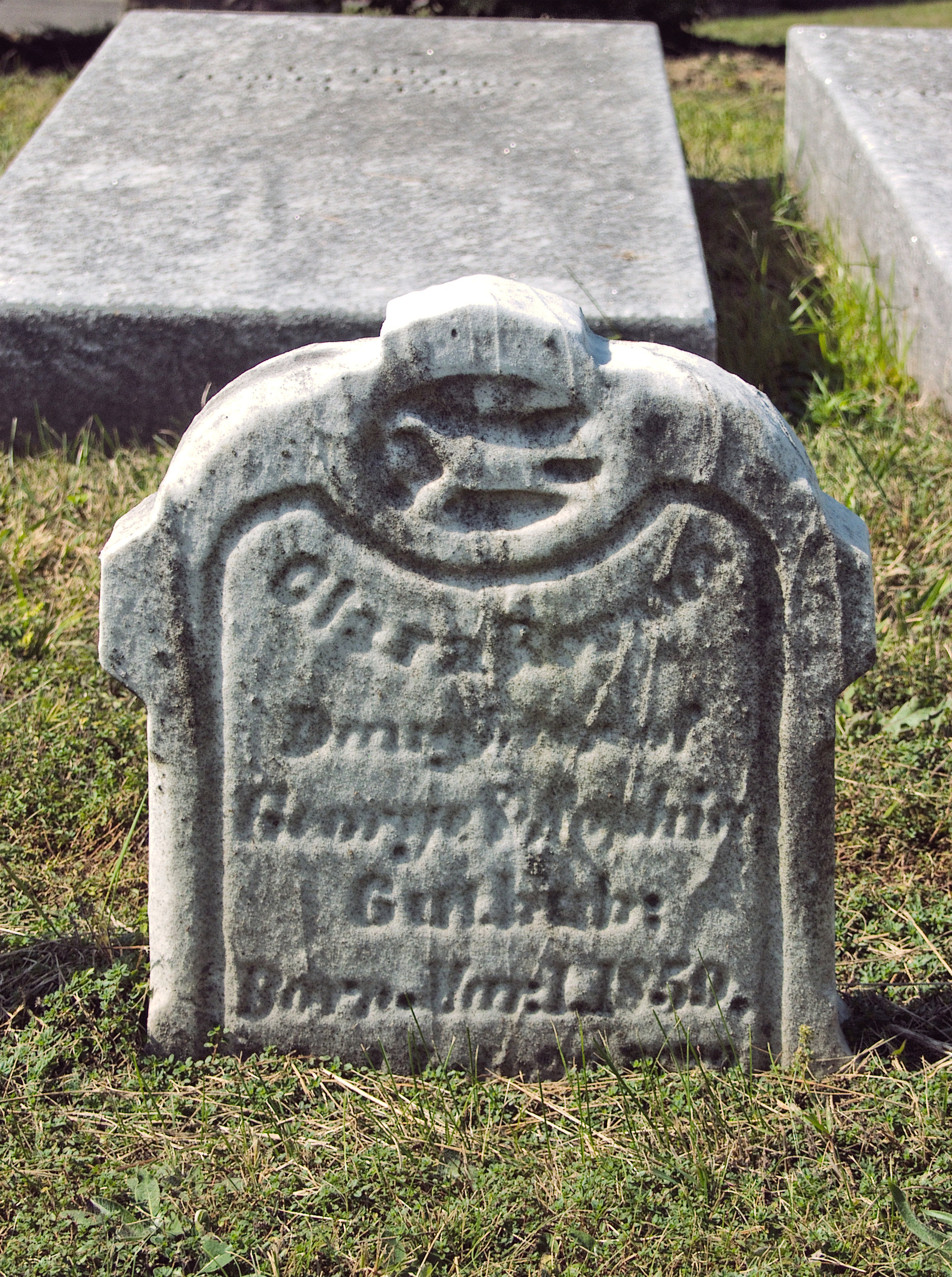

In 1896, Sophia died as well, and was buried under the spelling “Guttbub”:

George later married a much younger woman, and at some point they decided that “Gutbub” was entirely too German. Father Pitt suspects that point may have come during the First World War, when some German-American families had good reason to fear for their lives.
So they Anglicized their name to “Goodboy,” and the name has stuck with their family ever since.


The plot is still in use, and all subsequent burials bear the name Goodboy. And, as you see in the picture at the top of this article, the family monument has had “Goodboy” added at the bottom, so that all the Gutbubs become Goodboys retroactively.
Thus the story of one family becomes the story of the Americanization of the Germans in America, who are America’s largest, but arguably America’s least visible, immigrant group.
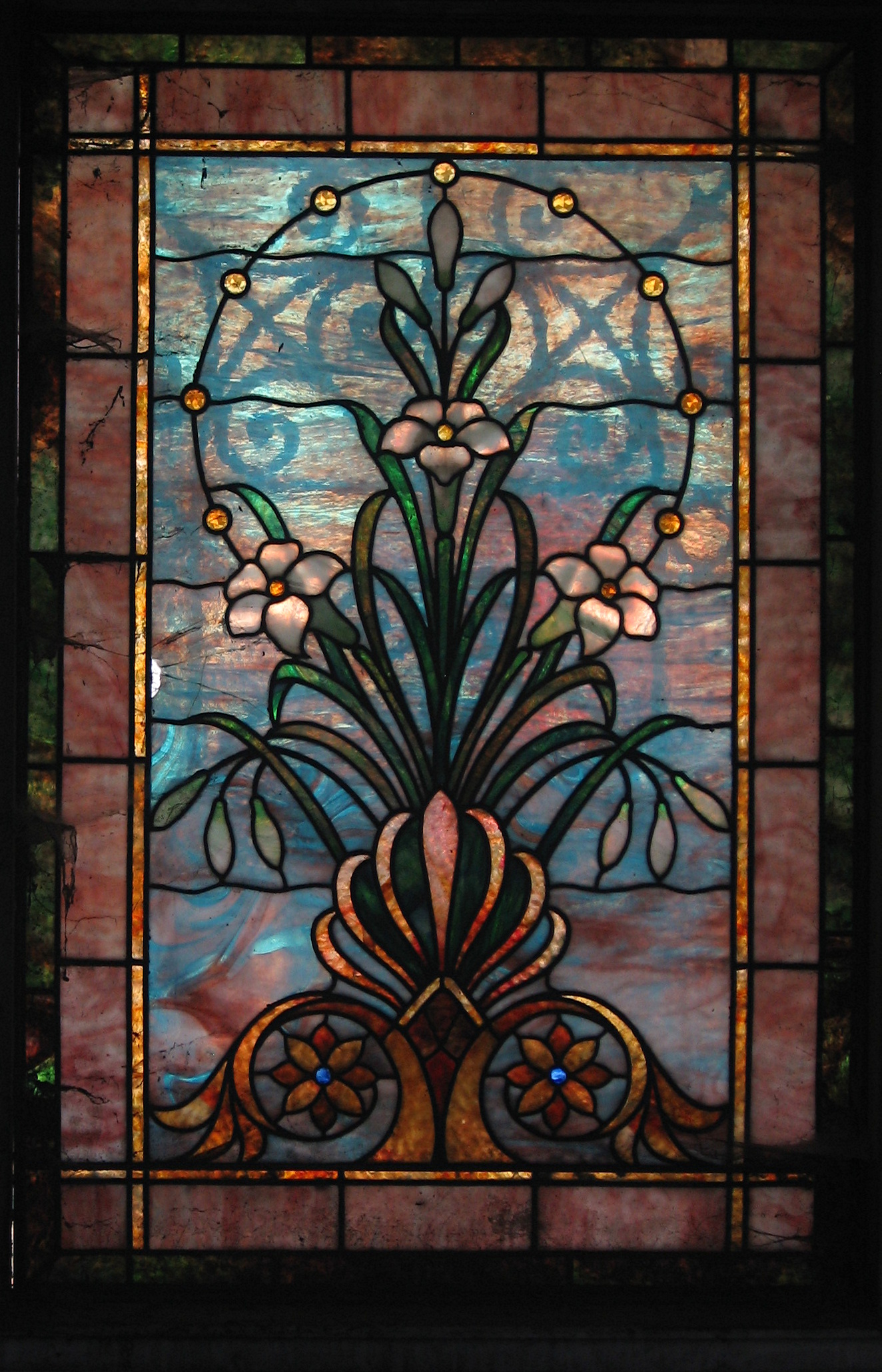
A finely proportioned Modern Ionic mausoleum with an attractive stained-glass window and artistic bronze doors.
