Pittsburgh Cemeteries

The Art and Architecture of Death

Irene Boyd grave

A particularly florid example of the romantic style that was popular in the middle 1800s. In its current state, it does not seem to have any dates for Irene Boyd: the name “Boyd” is on the back, and the name “Irene” on the front, with the rest of the stone given over to decorative elements. The footstone remembers a child, A. E. Boyd, who was born in 1855 and died in 1872.
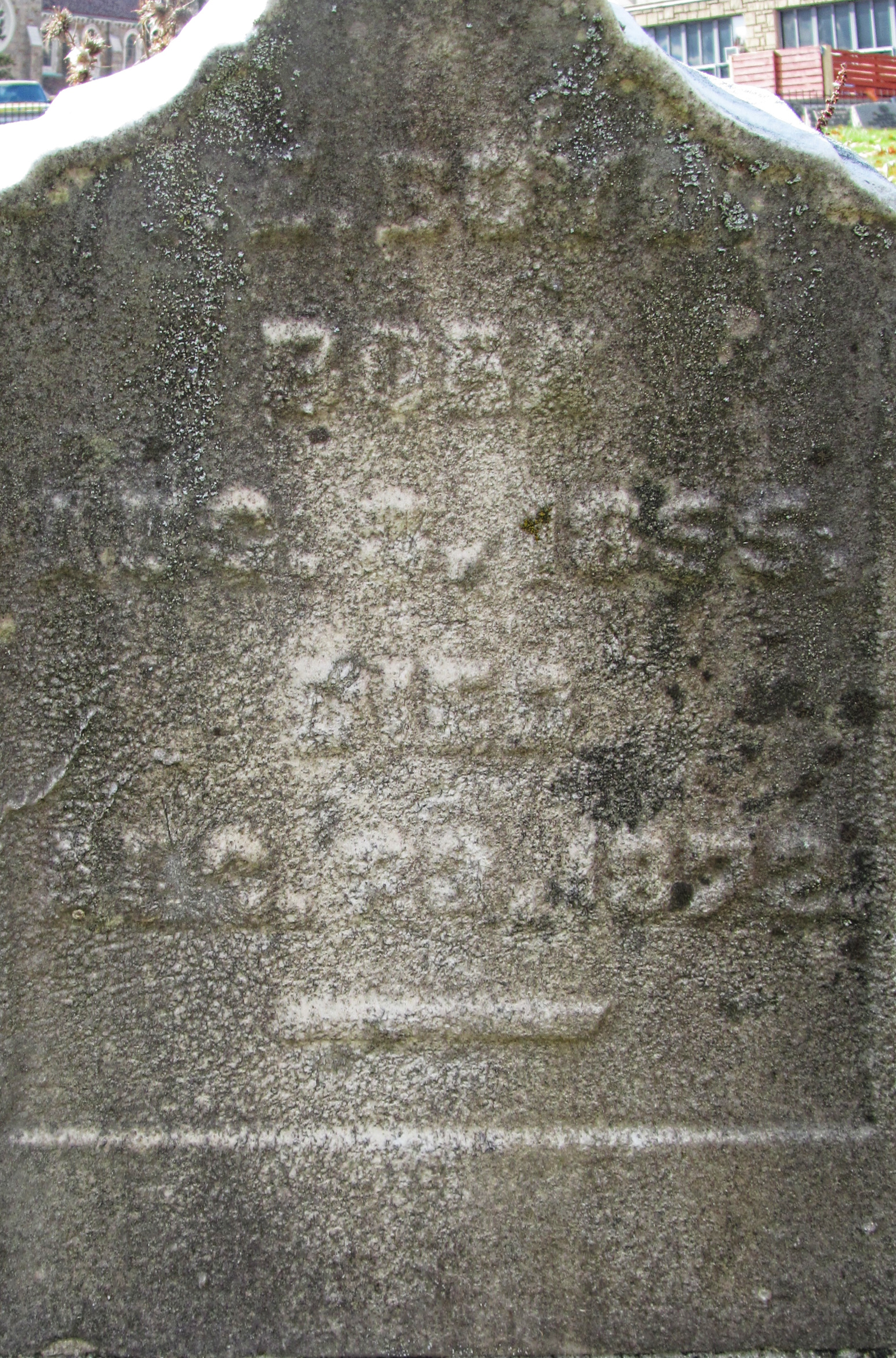
A. E. Boyd

Inscription on the footstone.

Back of the Irene Boyd monument

The back of the headstone.

Irene Boyd grave

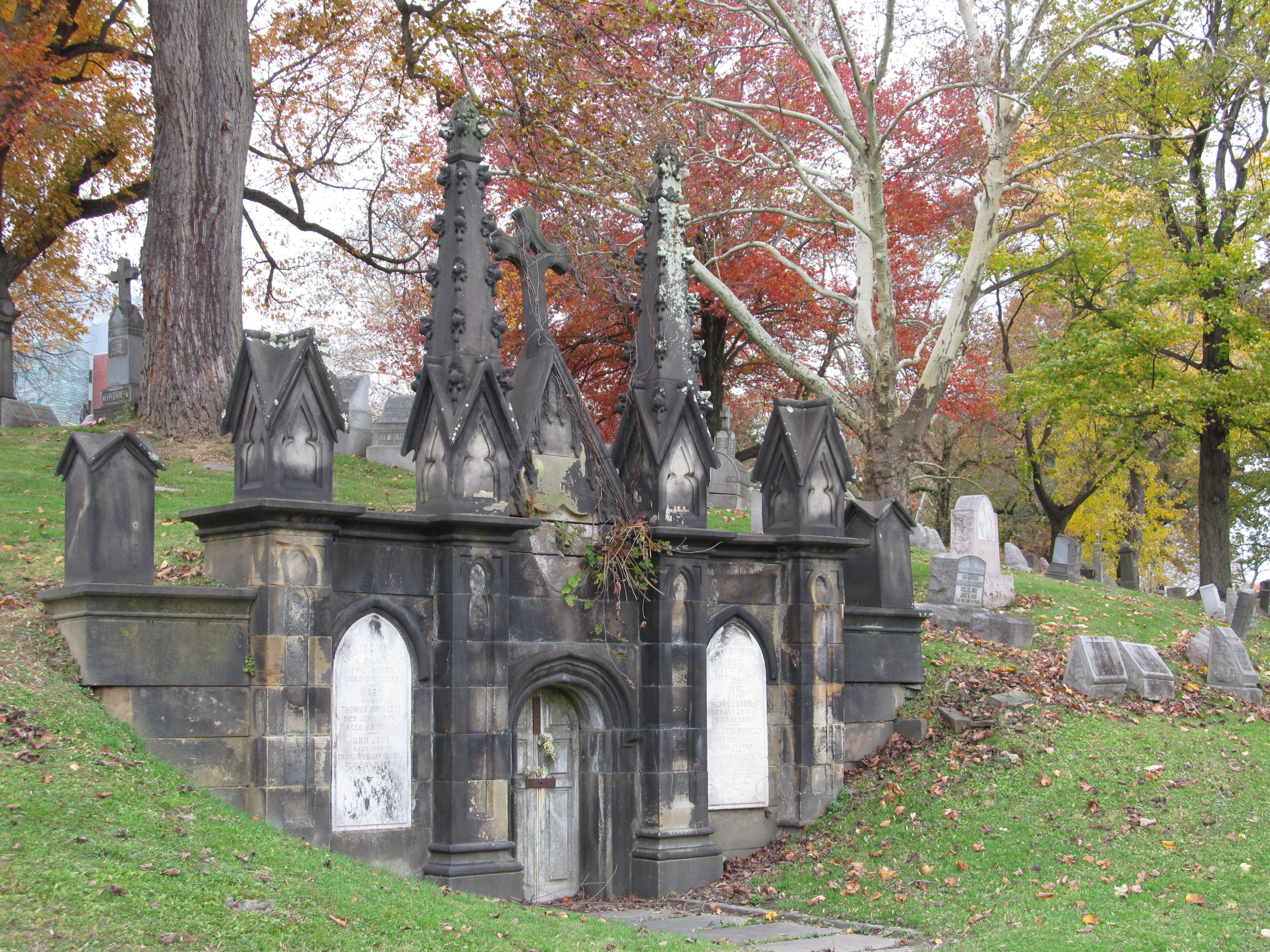
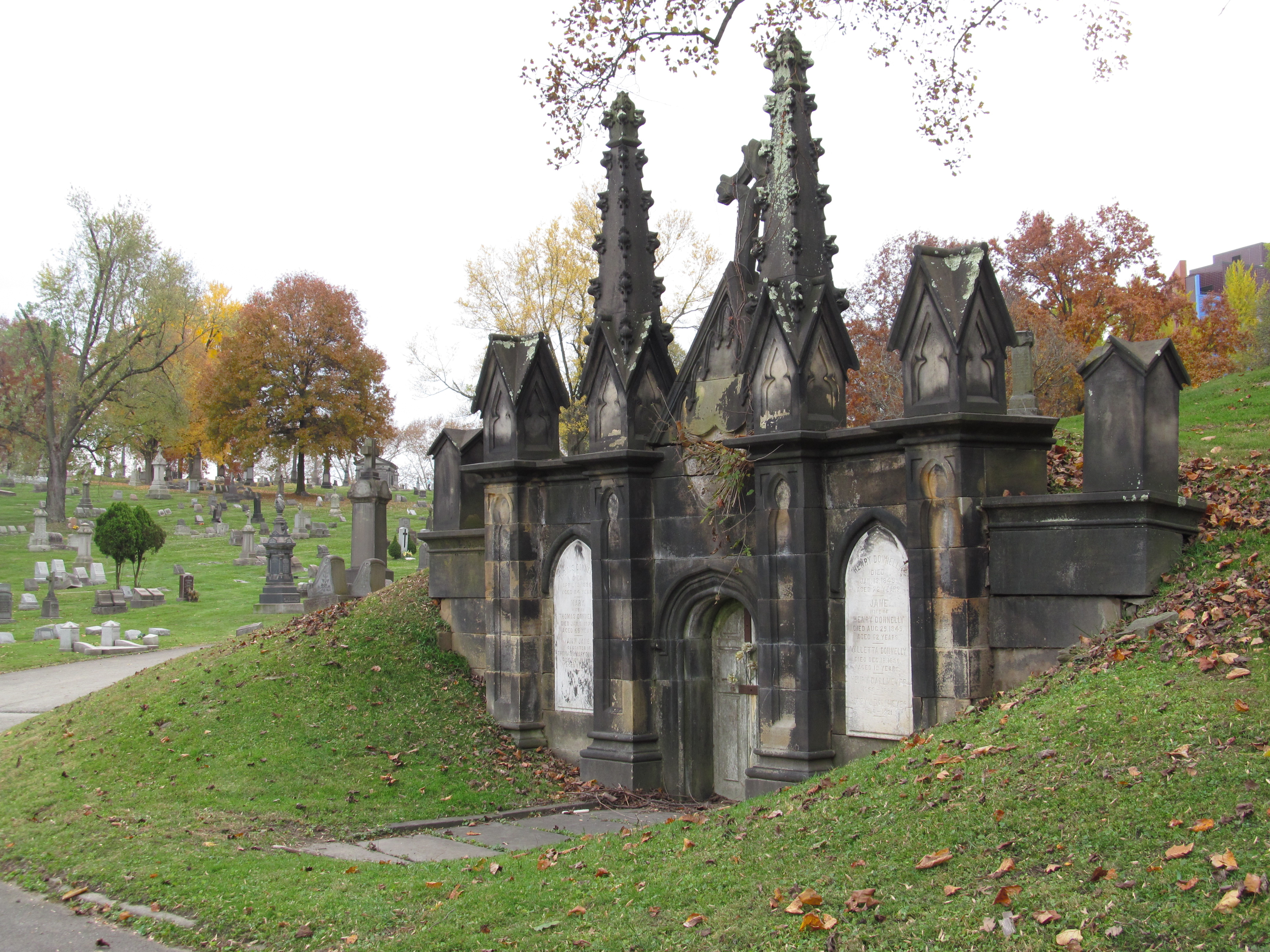
Donnelly vault

One of the most picturesquely mysterious-looking structures in the city of Pittsburgh: we can imagine it as the setting for an atmospheric scene in an old-fashioned Universal horror movie.

This must have been one of the earliest interments in the cemetery, which opened in 1849, the year Henry Donnelly died. It is perhaps the most striking in-ground mausoleum in Pittsburgh. In the early and middle nineteenth century, these mausoleums cut into a hillside were the usual resting places of the rich; they are most often referred to as “mausoleums,” but sometimes as “vaults,” and perhaps it would be best to use that term, reserving “mausoleum” for a free-standing building. They fell out of favor by the 1870s or so, and proper mausoleums came into fashion.

Left inscription

Right inscription

Jernej Malli tombstone

The cross has gone missing from this typical Slavic tombstone. The inscription is partly Slovenian and partly English; we suspect that “OUR FATHER” came with the stone, and the rest of the inscription was made to order.

Elizabeth Henry tombstone

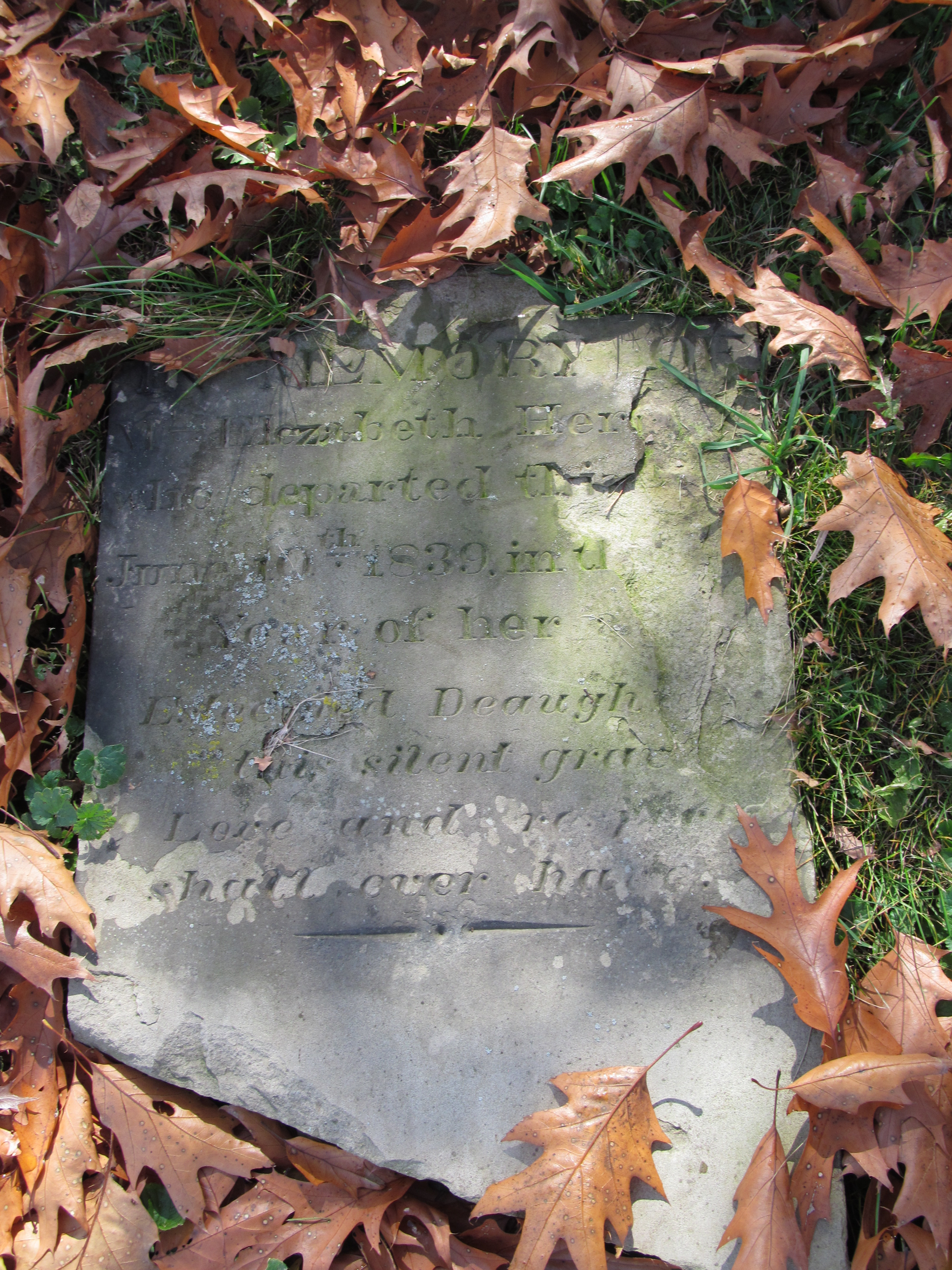
Broken but still mostly legible, except where the stone has flaked away toward the right. We are almost certain of the surname “Henry,” because the stone lies near several other members of the Henry family. Here is how we reconstruct the inscription:

[In]
MEMORY OF
Elizabeth Hen[ry]
who departed t[his life]
June 10th 1839 in t[he --]
Year of her a[ge.]

Esteemed Deaugh[ter,]
this silent grave
Love and respect [?]
shall ever have.

This epitaph, such as it is, seems to be an original composition; Father Pitt has not found it anywhere else on the Web. The spelling “deaughter” is not unusual for Western Pennsylvania tombstones.

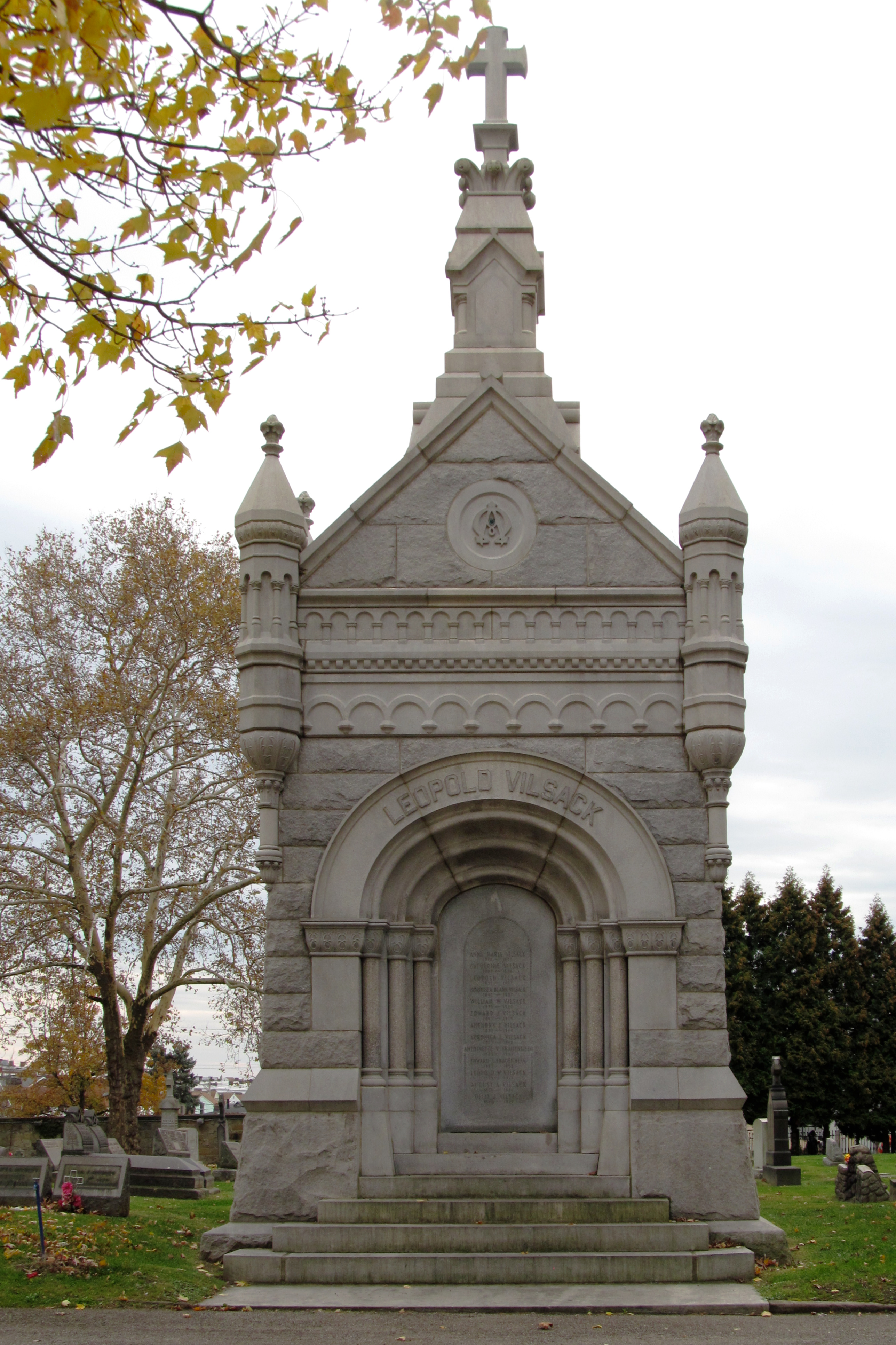
Leopold Vilsack mausoleum

Leopold Vilsack was an early partner in Iron City Brewing, a wise investment that earned him this extravagant Romanesque mausoleum.

Leopold Vilsack mausoleum

Stewart monument

A typical zinc monument in most respects, except that it bears no inscriptions other than the name “STEWART” on the base. Instead, the various Stewarts have individual stone markers. Since one of the attractions of a zinc monument was that it could bear a number of inscriptions, thus saving the expense of individual markers, we suspect that there may have been a Stewart family argument over the Stewart family plot.

Stewart monument

Landscape, St. Mary’s Cemetery

Autumn landscapes in St. Mary’s Cemetery, Lawrenceville.

St. Mary’s Cemetery

St. Mary’s Cemetery

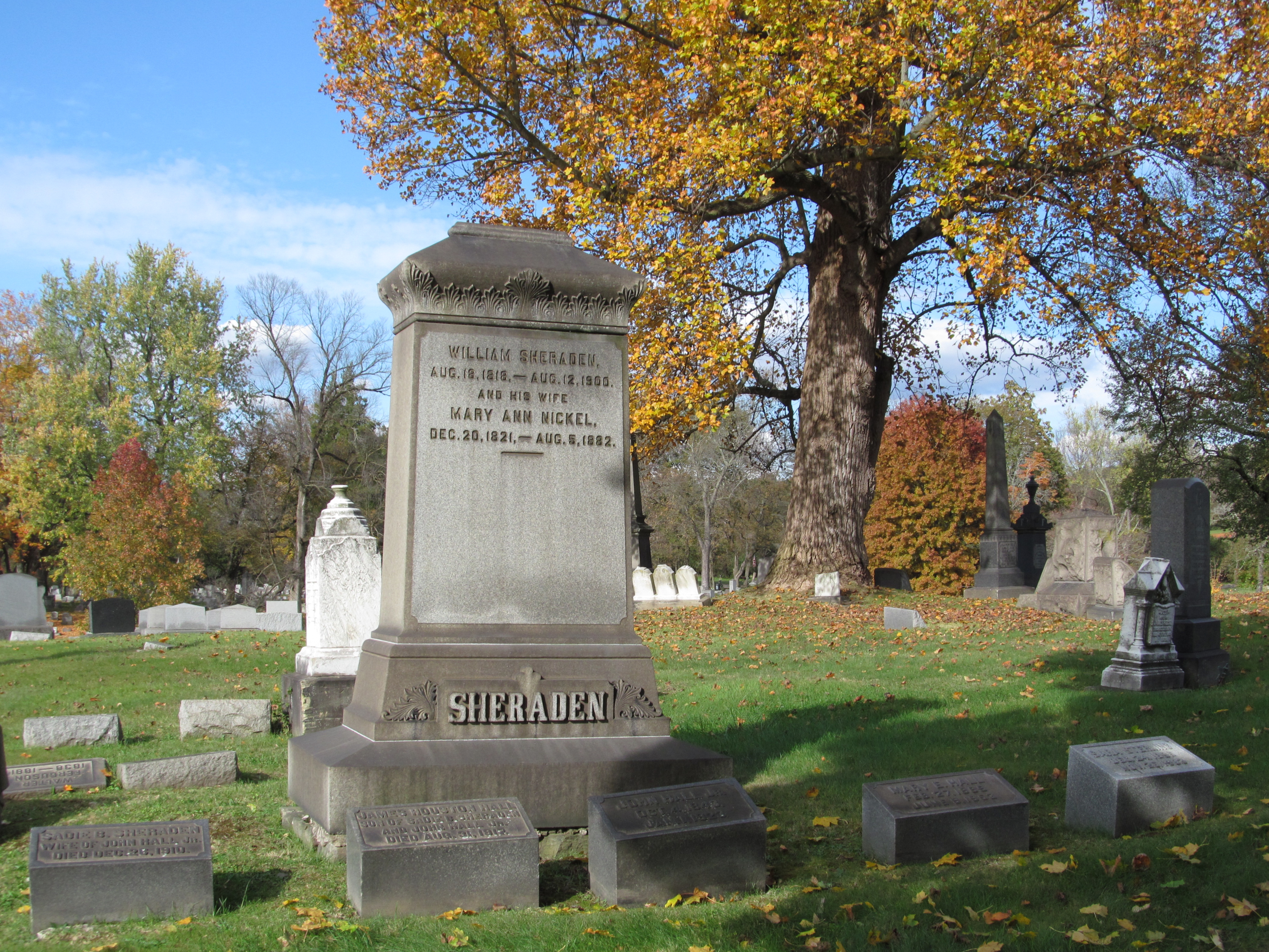
Sheraden monument

William Sheraden was the founder of the Sheraden borough that later became the Sheraden neighborhood of Pittsburgh. We have featured this monument before, but not with such fine fall colors in the background.

August and Rosa Abbott Monuments

A matched pair of monuments in a late version of the romantic style that was popular in the middle 1800s. August Abbott was born in Saxony, but his inscription is in English, suggesting that his family—unlike many German immigrant families—Americanized in one generation.

August Aboott Inscription

Rosa Abbott inscription

The monuments are signed by the stonecutters, and the signatures are different.

August Abbott stonecutter’s mark

Boggs & Lindsey, if we read correctly.

Rosa Abbott stonecutter’s mark

Alex. Boggs—again if we read correctly. Perhaps Lindsey retired or died.

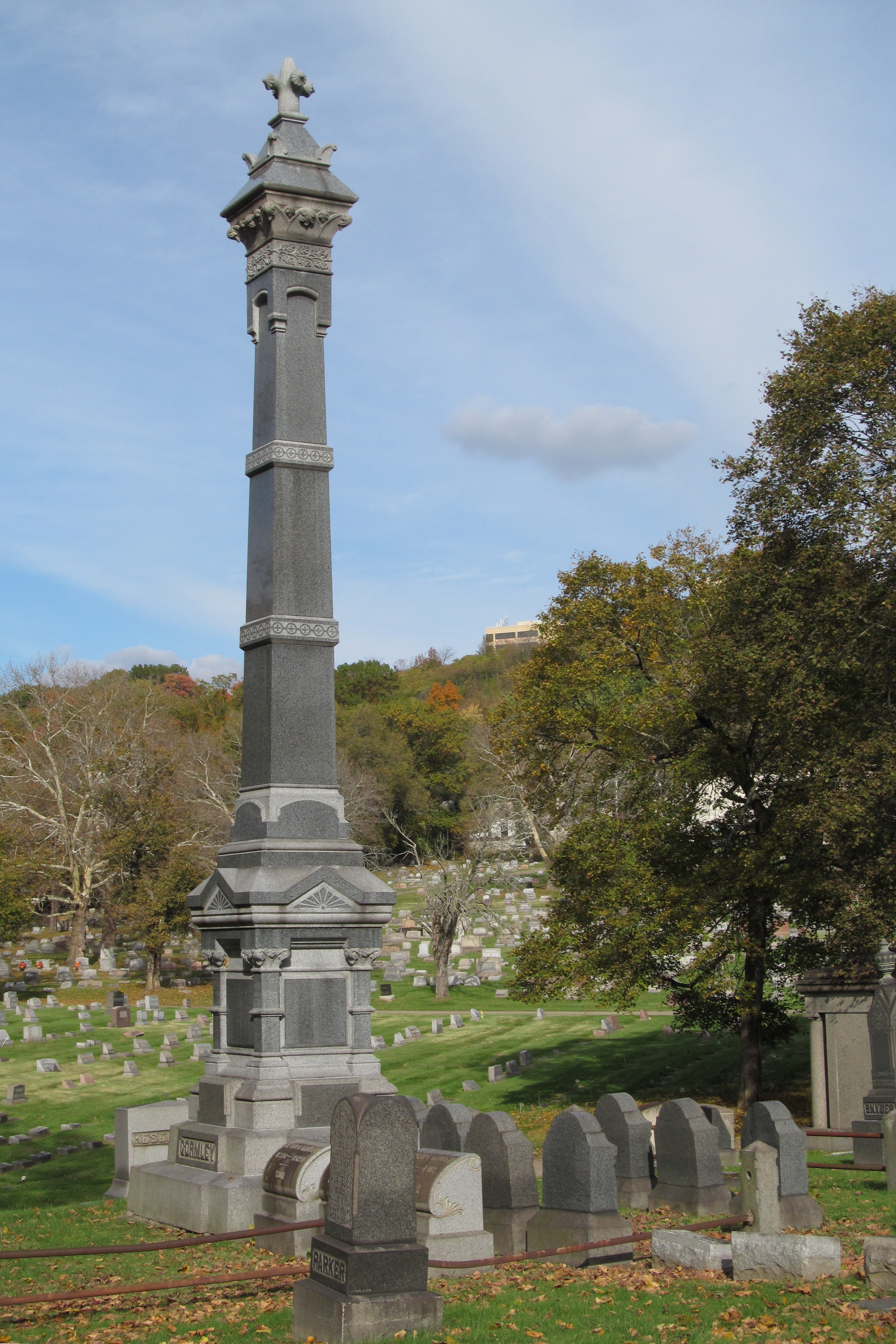
Gormley family plot

This truly monumental monument is the tallest private memorial in the cemetery; only the Civil War monument is taller. It is nevertheless a monument-dealer’s stock item; an identical monument can be found in Allegheny Cemetery. It marks the family plot of the Gormleys, whose patriarch was named James for several generations, until the last James Gormley was finally buried under the epitaph “THE LAST OF THE LINE.”

Gormley family plot

Gormley monument